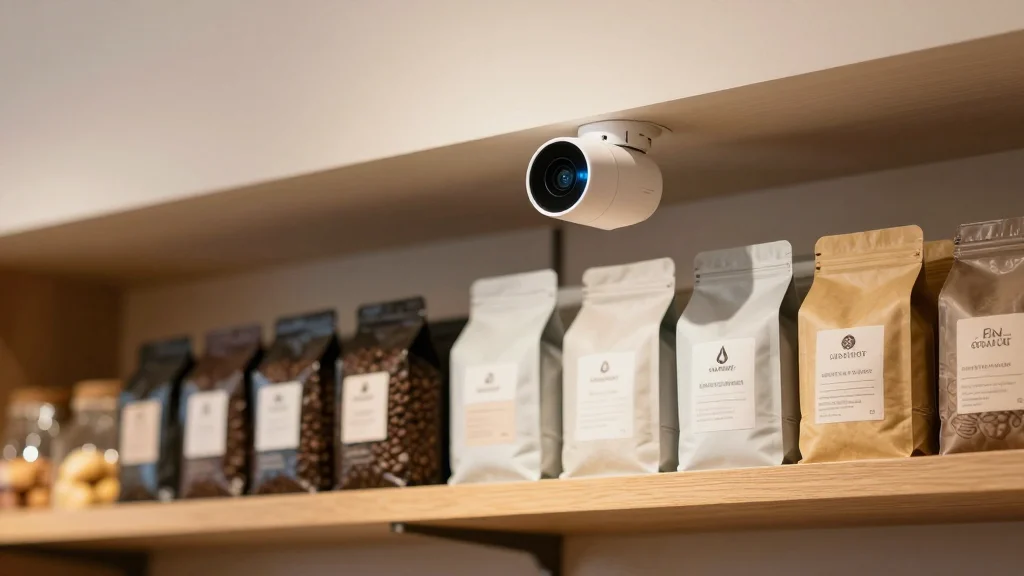
Starbucks Pulls AI Inventory System From 11,000 Stores, CEO Niccol Signals Retreat

Companies Mentioned
Why It Matters
The retirement of NomadGo’s AI inventory system illustrates the gap between AI hype and operational reality for large retailers. CEOs must balance the allure of headline‑grabbing technology with the practicalities of deployment at scale, especially in environments where lighting, shelf layout, and product turnover are constantly shifting. The failure also raises questions about vendor due diligence; investors will scrutinize how much due‑process was performed before committing to a $X‑million rollout across thousands of stores. For the broader CEO Pulse community, the case serves as a benchmark for risk assessment in AI projects. It reinforces the need for phased rollouts, rigorous field testing, and clear rollback plans. As more CEOs consider AI to drive efficiency, Starbucks’ experience will likely temper enthusiasm and encourage a more measured, data‑driven approach to technology adoption.
Key Takeaways
- •Starbucks retired NomadGo’s AI inventory system at all 11,000 North American stores on May 19, 2026.
- •The system, launched in September 2025, claimed 99% accuracy and up to eight‑fold speed gains.
- •Employees reported frequent miscounts, leading to double‑counting and no net time savings.
- •Datature’s 2026 report cites distribution shift as a top cause of vision‑AI failures in retail.
- •CEO Brian Niccol’s “Back to Starbucks” turnaround now faces scrutiny over AI‑related cost overruns.
Pulse Analysis
Starbucks’ abrupt rollback highlights a broader inflection point for AI adoption in brick‑and‑mortar retail. Historically, large chains have relied on incremental technology upgrades—barcode scanners, POS software, and basic analytics—because each step can be validated in a controlled pilot before full deployment. The NomadGo episode shows that the next leap—computer‑vision‑driven inventory—requires a fundamentally different risk calculus. The technology’s promise of speed is only valuable if the error rate stays below a trust threshold; once workers must verify every output, the system becomes a liability.
From a competitive standpoint, the failure may benefit rivals that have taken a more conservative path, such as Kroger and Walmart, which continue to augment manual counts with modest AI assistance rather than full automation. Those firms can now point to Starbucks as a cautionary tale, reinforcing their own narratives about measured innovation. Meanwhile, AI vendors will likely double down on adaptive learning pipelines that ingest live store data to mitigate distribution shift, a move that could increase the cost of deployment but improve reliability.
Looking ahead, CEOs will need to embed AI governance into their turnaround playbooks. That means establishing clear success metrics, allocating budget for continuous model monitoring, and preparing contingency plans that can be executed without disrupting daily operations. Starbucks’ experience suggests that the cost of a failed AI rollout—both financial and reputational—can outweigh the upside of a successful one, especially when the technology is rolled out at the scale of 11,000 locations. Future AI pilots will probably be smaller, more iterative, and tied to explicit performance thresholds before any enterprise‑wide commitment.
Starbucks Pulls AI Inventory System from 11,000 Stores, CEO Niccol Signals Retreat
Comments
Want to join the conversation?
Loading comments...