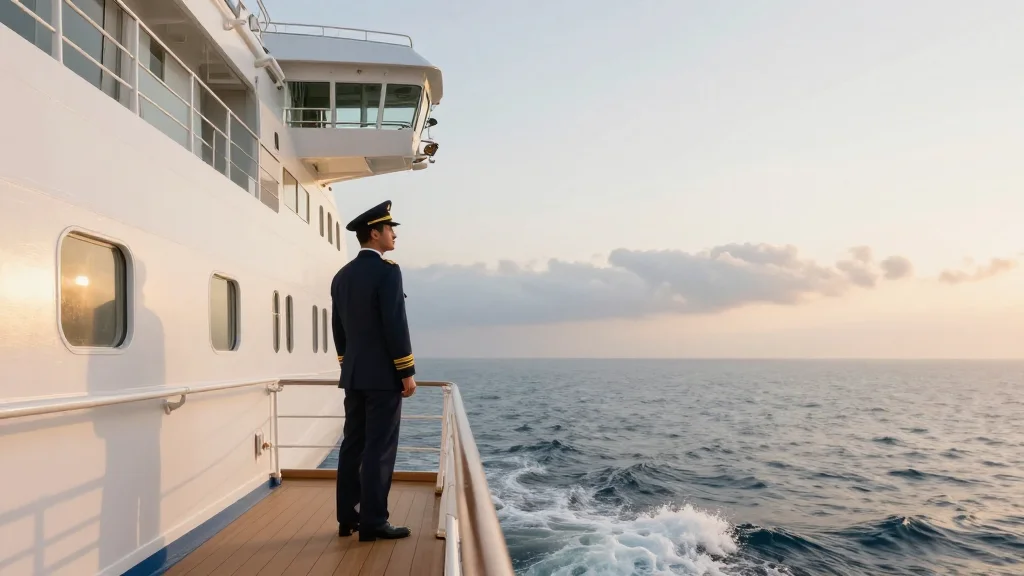
The Cruise Ship CEO on How to Run Cities at Sea
Companies Mentioned
Why It Matters
Cruise operators are redefining urban infrastructure on water, influencing tourism economics, environmental policy, and future offshore development. Their strategic choices set benchmarks for sustainability and regulatory frameworks across the maritime industry.
Key Takeaways
- •Cruise ships host up to 6,000 passengers daily
- •CEOs compare ships to self‑contained micro‑cities
- •Regulatory scrutiny intensifies after recent incidents
- •Sustainability drives shift to LNG and electric propulsion
- •Investors eye offshore hospitality as growth frontier
Pulse Analysis
Modern cruise vessels are increasingly described as floating cities, a narrative that reflects their massive scale and diversified amenities. Each ship houses thousands of guests, dozens of restaurants, medical facilities, and even schools, creating a micro‑economy that rivals small municipalities. This urban‑like model generates significant revenue streams, attracting investors seeking high‑margin hospitality assets that operate in a regulated, yet globally mobile environment.
The rise of cruise ships as self‑contained communities brings heightened regulatory and environmental challenges. Recent health incidents and emissions concerns have prompted governments to tighten oversight, demanding cleaner fuels, stricter waste management, and transparent passenger safety protocols. Operators are responding with investments in liquefied natural gas (LNG), hybrid electric propulsion, and advanced waste‑to‑energy systems, positioning sustainability as a competitive differentiator while navigating complex international maritime law.
Looking ahead, the cruise industry’s city‑at‑sea concept may extend beyond leisure travel into broader offshore habitation. Analysts predict that the same logistical expertise could support floating hotels, research labs, or even residential platforms, leveraging existing port infrastructure and supply chains. As investors eye these opportunities, the sector’s ability to balance profitability with environmental stewardship will determine whether floating cities become a mainstream component of the global hospitality and infrastructure landscape.
The cruise ship CEO on how to run cities at sea
Comments
Want to join the conversation?
Loading comments...