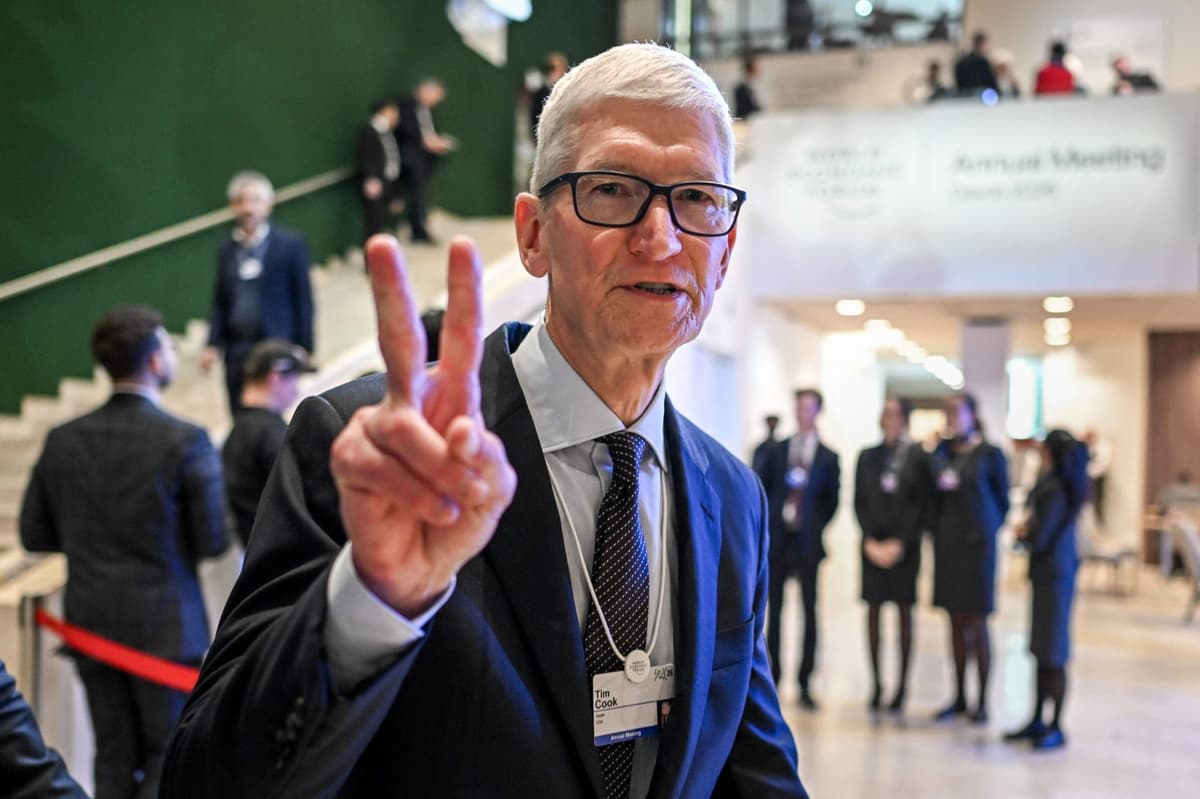
Tim Cook Built Apple Into a $4 Trillion Company. Then His Greatest Strength Became His Biggest Liability
Companies Mentioned
Apple
AAPL

Bloomberg
Why It Matters
Apple’s leadership shift will determine its ability to compete in the fast‑moving AI and software arena, while illustrating a universal challenge: CEOs must evolve beyond the instincts that originally built their success.
Key Takeaways
- •Cook grew Apple from $350B to $4T market cap.
- •Operational focus drove services, wearables, and privacy branding.
- •Deliberative style now hinders rapid AI innovation.
- •New CEO Ternus must evolve beyond hardware mindset.
Pulse Analysis
Tim Cook’s tenure at Apple is a textbook case of how an operationally‑focused leader can scale a hardware‑centric business into a diversified tech powerhouse. By leveraging his supply‑chain expertise, Cook introduced high‑margin services, wearables, and a privacy narrative that resonated with consumers, lifting market value from $350 billion to $4 trillion and quadrupling revenue. This growth was achieved without mimicking Steve Jobs, proving that a CEO’s authentic identity can be a strategic advantage when it aligns with the company’s evolving needs.
The rapid rise of artificial intelligence has reshaped the competitive landscape, rewarding speed and bold experimentation. While rivals such as Google and Microsoft rolled out AI assistants and generative tools at breakneck pace, Apple’s AI initiatives lagged, with Siri falling behind and Apple Intelligence arriving later than expected. Analysts attribute part of this lag to Cook’s hallmark deliberative decision‑making, which, though valuable for risk management, slowed the company’s response to a market that now demands swift, decisive action. The contrast between Cook’s cautious approach and John Ternus’s more decisive style underscores a broader tension between operational stability and the agility required for AI leadership.
John Ternus inherits a company at a crossroads: a robust hardware foundation paired with an urgent need to redefine its software and AI strategy. As a longtime hardware engineer, Ternus must broaden his operating mode beyond engineering instincts, embracing a culture of rapid iteration and bold product bets. His success will signal whether Apple can reinvent its leadership DNA to stay relevant in the AI era. More broadly, the transition serves as a cautionary tale for CEOs across industries—success built on a particular identity can become a liability when market contexts shift, making proactive evolution essential for sustained competitiveness.
Tim Cook built Apple into a $4 trillion company. Then his greatest strength became his biggest liability
Comments
Want to join the conversation?
Loading comments...