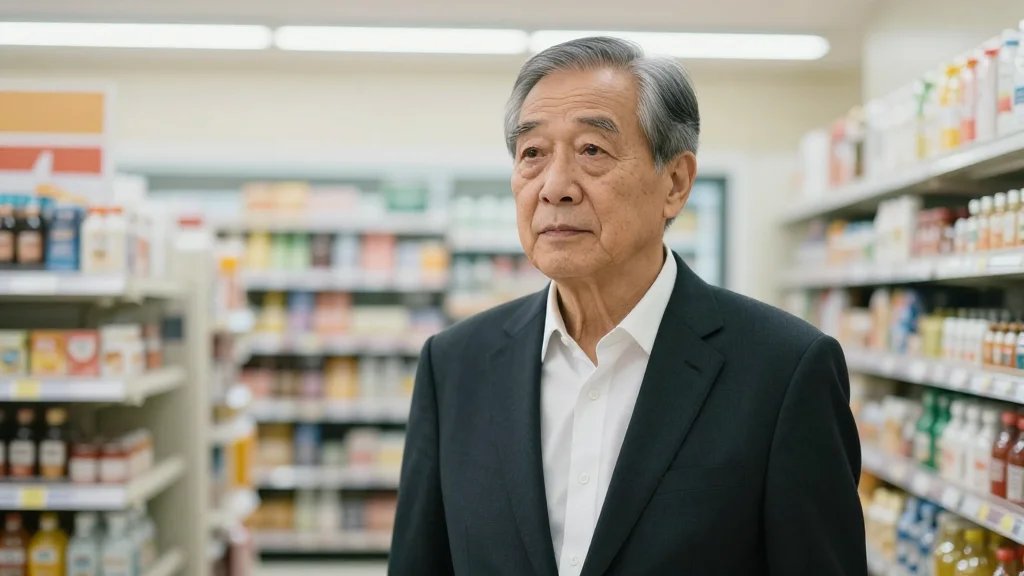
Toshifumi Suzuki, 7‑Eleven Visionary, Dies at 93, Leaving Global Retail Legacy

Companies Mentioned
Why It Matters
Suzuki’s death marks the loss of a transformative leader whose strategies redefined how consumers interact with everyday retail. By turning convenience stores into multi‑service hubs, he set a template that competitors worldwide have tried to emulate, shaping supply‑chain practices, real‑time inventory analytics, and the integration of financial services into brick‑and‑mortar locations. His legacy also illustrates the power of decisive leadership in turning around distressed assets, as seen in the rescue of Southland Corp., a move that cemented Japan’s influence over a global brand. The transition period for Seven & i Holdings will test whether the organization can sustain growth without its founding visionary. Investors, analysts, and rival chains will gauge how the firm adapts to digital disruption, labor shortages, and shifting consumer expectations while preserving the operational discipline Suzuki instilled.
Key Takeaways
- •Toshifumi Suzuki died of heart failure on May 18, 2026, at age 93.
- •He opened Japan’s first 24‑hour 7‑Eleven in 1974, growing the chain to over 80,000 stores worldwide.
- •Suzuki rescued the U.S. parent Southland Corp. in 1991 and fully integrated it by 2005.
- •Seven & i Holdings acquired Speedway for $21 billion in 2021 under his leadership.
- •His 2016 boardroom exit followed a clash with activist investor Daniel Loeb over succession.
Pulse Analysis
Suzuki’s story is a textbook case of how a single executive can reshape an entire industry. His blend of aggressive expansion, data‑centric operations, and cultural adaptation turned a niche American concept into a Japanese staple that now dominates global convenience retail. The model he pioneered—high‑frequency inventory turnover, localized product assortments, and ancillary services—has become the de‑facto standard, forcing rivals to invest heavily in logistics and technology to keep pace.
Looking ahead, Seven & i faces a crossroads. The company must balance the disciplined, efficiency‑first ethos that Suzuki championed with the need for digital innovation—mobile ordering, AI‑driven demand forecasting, and contactless payments. Competitors such as Alimentation Couche‑Tard and emerging Chinese convenience chains are already leveraging fintech partnerships to deepen customer engagement. If Seven & i can translate Suzuki’s operational rigor into a modern, tech‑enabled platform, it could retain its leadership; failure to do so may erode its market share, especially as younger consumers prioritize convenience through delivery apps over physical store visits.
Finally, Suzuki’s legacy underscores the importance of succession planning in founder‑led conglomerates. The 2016 boardroom battle that ousted him highlighted the risks when personal ambition clashes with shareholder activism. As the next generation of CEOs inherits a sprawling empire, they will need to navigate activist pressures, cross‑border regulatory environments, and the accelerating pace of retail digitization—challenges that would test even Suzuki’s formidable resolve.
Toshifumi Suzuki, 7‑Eleven Visionary, Dies at 93, Leaving Global Retail Legacy
Comments
Want to join the conversation?
Loading comments...