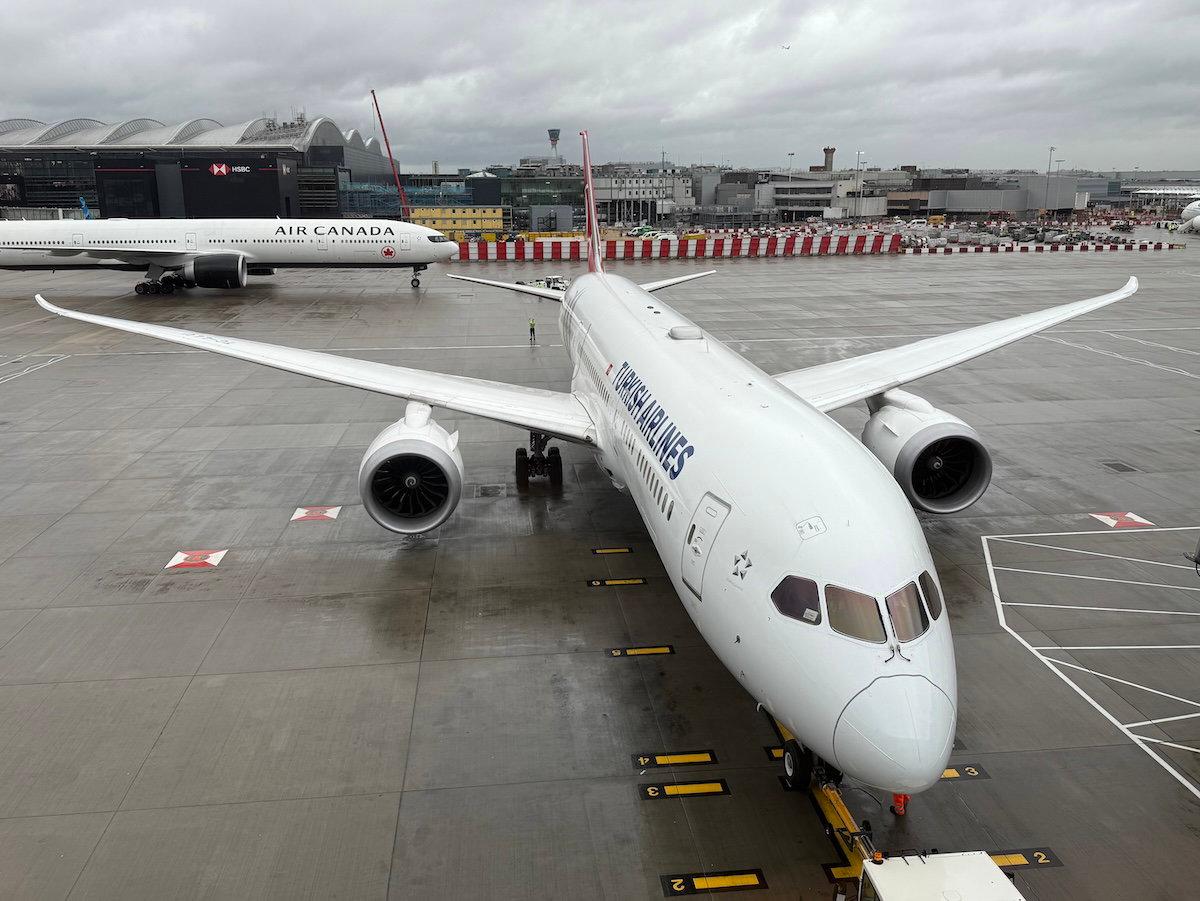
Turkish Airlines Overhauls Management, Suddenly Appoints New Chairman & CEO
Companies Mentioned
Why It Matters
The leadership shift could signal political maneuvering in a state‑owned carrier, yet the promotion of internal executives suggests continuity in Turkish Airlines’ growth strategy, affecting investor confidence and market dynamics.
Key Takeaways
- •Chairman Ahmet Bolat retires; CFO Murat Şeker becomes new chairman
- •CEO Bilal Ekşi steps down; CCO Ahmet Olmuştur appointed CEO
- •CFO role passes to Metin Gülşen; CCO role to Harun Baştürk
- •Management shuffle occurs amid rapid network expansion and double‑size target
- •Political influence likely drives change, but strategic continuity appears preserved
Pulse Analysis
Turkish Airlines, the world’s most geographically diverse carrier, has been on a rapid expansion trajectory, leveraging Istanbul’s strategic hub and a low‑cost operating model to add new routes and aircraft. The airline’s ambition to double its fleet and destination count over the next ten years has attracted attention from investors and industry analysts alike. Against this backdrop, the sudden retirement of Chairman Ahmet Bolat and CEO Bilal Ekşi, announced without typical farewell statements, raised eyebrows and prompted speculation about the motives behind the leadership change.
While the abrupt timing hints at political considerations—given the airline’s majority state ownership—the appointments are all internal veterans. CFO Murat Şeker, now chairman, and Chief Commercial Officer Ahmet Olmuştur, now CEO, have steered the company’s financial and commercial strategies for years. This continuity suggests the government prefers to maintain the successful growth formula rather than overhaul the strategic direction. The internal promotions also signal confidence in the existing management team’s ability to navigate inflationary pressures on the Turkish lira and broader macroeconomic challenges.
For the market, the reshuffle offers a mixed signal. Investors may view the lack of external hires as a stabilizing factor, preserving the momentum of route expansion and fleet modernization. However, the opaque nature of the transition could introduce short‑term uncertainty about governance and decision‑making processes. Analysts will watch how the new chairman and CEO balance political expectations with the airline’s aggressive growth targets, as their performance will directly impact Turkish Airlines’ valuation and its competitive standing in the global aviation sector.
Turkish Airlines Overhauls Management, Suddenly Appoints New Chairman & CEO
Comments
Want to join the conversation?
Loading comments...