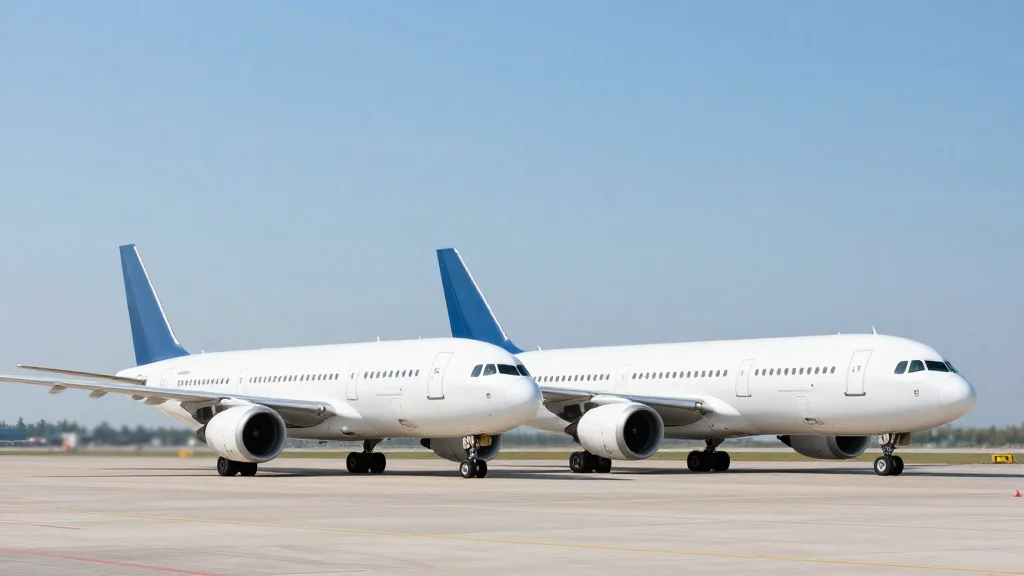
United CEO Rules Out Future Airline Mergers
Why It Matters
Kirby’s stance signals a pause in domestic airline M&A, limiting market reshaping and preserving competitive dynamics for carriers and travelers alike.
Key Takeaways
- •United CEO dismisses any new U.S. airline merger plans
- •Recent deals: Allegiant‑Sun Country, Alaska‑Hawaiian illustrate limited consolidation
- •American Airlines rejected United's merger proposal earlier this year
- •Kirby cites regulatory, union, and shareholder hurdles as deal blockers
- •Stability may keep fares and routes unchanged for near term
Pulse Analysis
The airline industry has been on a consolidation binge, with Allegiant joining forces with Sun Country and Alaska merging with Hawaiian in 2024. Those deals were driven by the need to achieve scale, cut costs, and better compete against global carriers. United’s refusal to chase similar transactions marks a departure from the aggressive merger mindset that has defined the sector for the past decade. By emphasizing organic growth, United signals confidence in its existing network and operational efficiencies, while also acknowledging the mounting regulatory and labor complexities that have slowed dealmaking.
Kirby’s comments also reflect broader competitive pressures. A merged United‑American entity could have presented a formidable challenge to foreign giants such as Lufthansa, Emirates, and Qatar Airways, potentially reshaping trans‑Atlantic and Pacific route economics. However, the regulatory landscape—particularly antitrust scrutiny and the need for union consent—makes such mega‑mergers increasingly risky. By stepping back, United avoids the uncertainty of a prolonged approval process and the potential for shareholder backlash, preserving its balance sheet and allowing it to invest in technology, fleet renewal, and customer experience enhancements.
For investors, the CEO’s message provides clarity on United’s strategic direction. A focus on internal initiatives rather than costly acquisitions may translate to steadier earnings and less volatility in stock performance. Moreover, the absence of a major merger reduces the likelihood of disruptive integration costs and cultural clashes that have plagued past airline consolidations. In a market where fuel prices and labor negotiations dominate headlines, United’s commitment to stability could be a competitive advantage, keeping fares relatively predictable and routes consistent for the near term.
United CEO rules out future airline mergers
Comments
Want to join the conversation?
Loading comments...