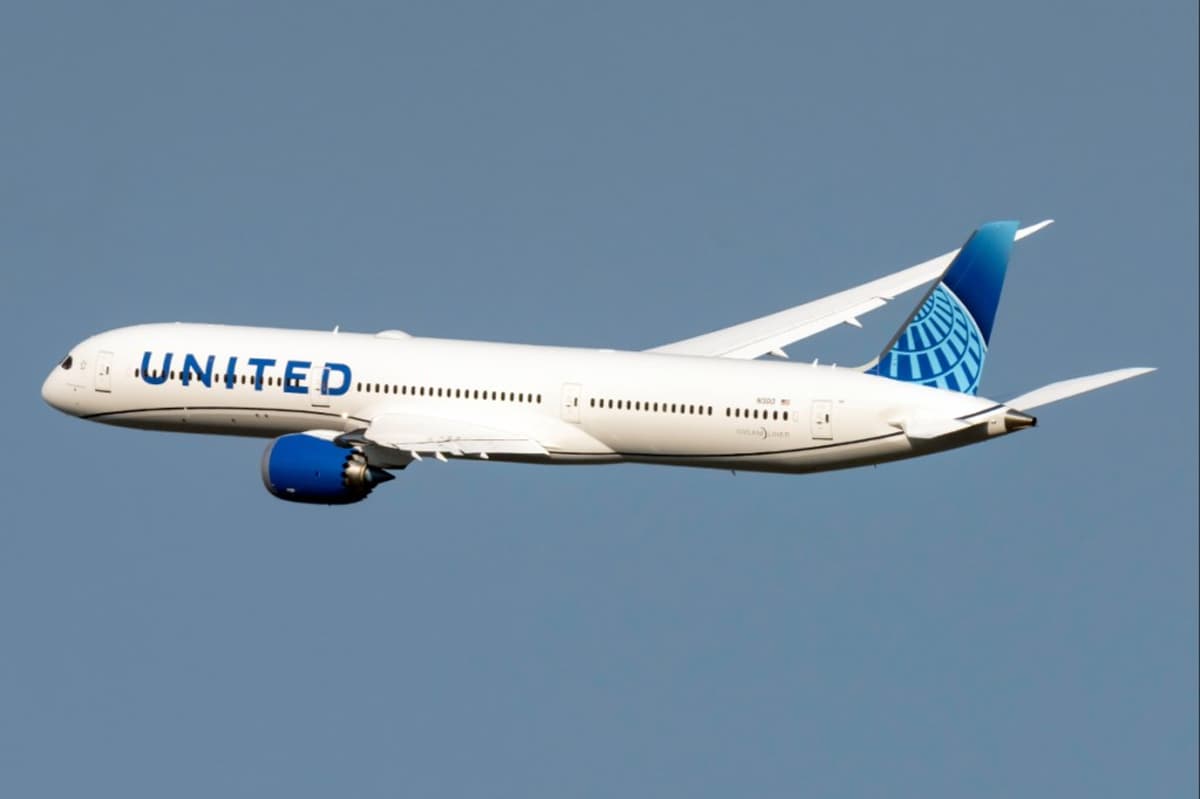
United CEO Says Engine Shortages Will Be ‘Biggest Constraint’ in Near Future
Why It Matters
Limited engine options threaten airline growth and increase operational risk, prompting manufacturers to rethink aircraft design strategies.
Key Takeaways
- •United scrapped 45 A350s after Rolls‑Royce contract dispute.
- •Kirby urges Boeing, Airbus to offer multiple engine options.
- •Engine supply constraints could limit airline growth for next five years.
- •Single‑source engines increase risk of fleet groundings.
- •Industry faces broader reliability and supply‑chain challenges.
Pulse Analysis
The aviation sector is confronting a tightening bottleneck in power‑plant availability, a situation that United Airlines’ chief executive highlighted at the International Air Transport Association’s annual meeting in Rio. Kirby’s remarks stem from United’s recent decision to walk away from a 45‑aircraft order of Airbus A350s after a contract breach with Rolls‑Royce, the model’s exclusive engine supplier. With only a handful of manufacturers—primarily Rolls‑Royce, GE Aviation and Pratt & Whitney—capable of delivering high‑thrust turbofan engines, any disruption reverberates across the entire fleet‑delivery pipeline. Airlines that depend on a single engine source now face heightened exposure to production delays and cost overruns.
From a business standpoint, engine scarcity translates directly into constrained capacity growth and elevated operational risk. Carriers must either postpone new‑plane acquisitions, lease older, less efficient aircraft, or absorb higher maintenance costs when existing engines require unscheduled overhauls. United’s A350 cancellation illustrates how a supplier dispute can force a carrier to re‑evaluate its network strategy and capital allocation. Meanwhile, engine makers are scrambling to expand production lines, but scaling up involves significant capital outlays and regulatory approvals, limiting how quickly supply can catch up with the projected demand surge as global travel rebounds.
The longer‑term implication is a potential shift in aircraft design philosophy toward multi‑engine compatibility. Regulators and manufacturers may encourage modular engine bays that accommodate different power‑plant families, reducing the systemic risk of a single‑source failure. Investors are also watching the situation closely, as engine‑maker earnings and airline balance sheets become increasingly intertwined. If the industry successfully diversifies its engine ecosystem, it could unlock more resilient growth and lower ticket prices for consumers. Conversely, failure to address the shortage could stall fleet modernization and dampen the post‑pandemic recovery trajectory.
United CEO Says Engine Shortages Will Be ‘Biggest Constraint’ in Near Future
Comments
Want to join the conversation?
Loading comments...