New 300 Home Development Becomes 'World's Largest' Zero Bills Neighbourhood
Companies Mentioned
Why It Matters
By eliminating utility bills for a decade, the development lowers living costs while accelerating carbon‑free housing, setting a replicable benchmark for developers and utilities across the UK.
Key Takeaways
- •Octopus Energy and Prosperity Group launch 300‑home Zero Bills project in Wisbech.
- •Residents receive ten‑year guarantee of no electricity or gas charges.
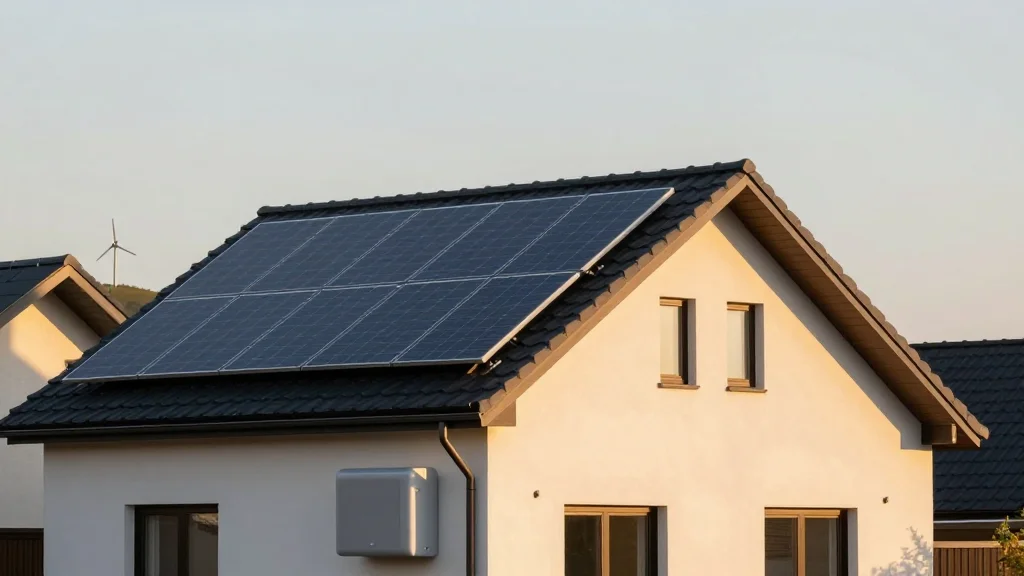
- •Development integrates rooftop solar, battery storage, and smart energy management.
- •Model aims to accelerate UK net‑zero housing and inspire replicable schemes.
Pulse Analysis
The Zero Bills concept, pioneered by Octopus Energy, bundles renewable generation, on‑site storage and a fixed‑price energy supply into a single lease, removing the volatility of utility bills for occupants. In Wisbech, the partnership with Prosperity Group expands this model to 300 homes, making it the largest deployment of its kind globally. The development’s design includes rooftop solar arrays sized to meet average household demand, lithium‑ion batteries that smooth intermittency, and a cloud‑based platform that optimises consumption in real time. This integrated approach not only guarantees zero bills for ten years but also delivers a predictable revenue stream for the provider, reducing financing risk.
From a technical standpoint, the Wisbech project leverages advances in solar panel efficiency and battery cost reductions that have emerged over the past five years. By installing panels on each roof and a communal battery hub, the scheme can offset up to 90% of the residents’ electricity needs, with the remaining demand met by the grid under a long‑term fixed contract. Smart thermostats and AI‑driven load‑shifting further trim energy use, ensuring the system remains financially viable while delivering carbon reductions equivalent to removing thousands of cars from the road.
The broader market implications are profound. As the UK tightens building regulations to meet net‑zero targets, developers are seeking cost‑effective pathways to comply. Zero Bills projects provide a turnkey solution that aligns homeowner affordability with sustainability goals, potentially reshaping financing models for residential construction. Investors are watching closely, as the predictable cash flows and ESG credentials could unlock new capital streams. If replicated, this model could accelerate the nation’s transition to low‑carbon housing, influencing policy, utility pricing structures, and the future of residential energy services.
New 300 home development becomes 'world's largest' Zero Bills neighbourhood
Comments
Want to join the conversation?
Loading comments...