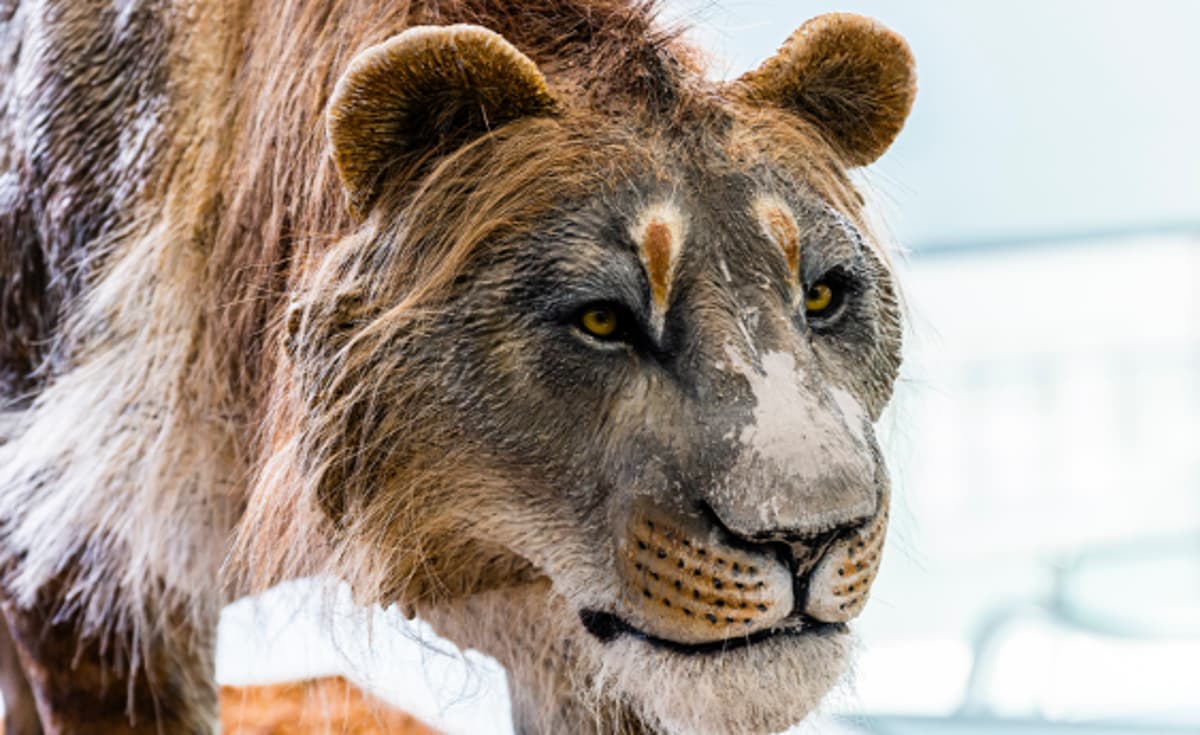
Ancient DNA Illuminates the Uniqueness of the Extinct Cave Lion
A new Cell study sequenced genomes from twelve Eurasian cave‑lion specimens dated 148,000 to 17,000 years ago, revealing that the extinct Panthera spelaea split from modern lions over a million years ago. By comparing these ancient genomes with 20 modern lion sequences, researchers traced intermittent interbreeding that peaked during colder climate phases. The findings show that climate‑driven range shifts brought cave and modern lions into contact across Siberia, Central Asia and Europe, leaving a genetic legacy in today’s lions.
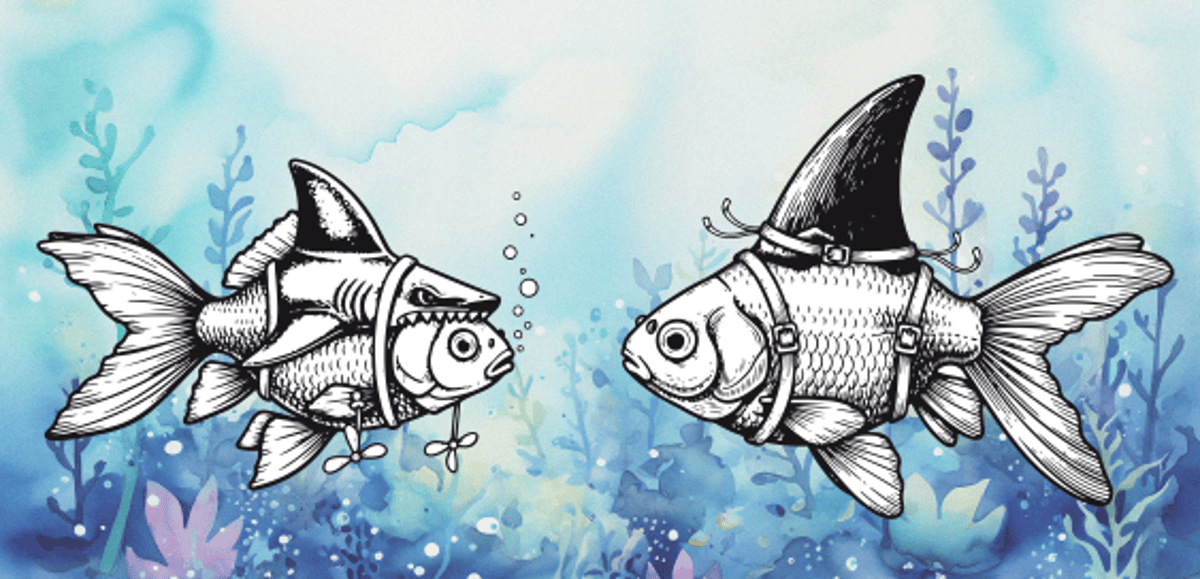
Tadpoles Use a World War I Naval Strategy to Dazzle Predators
Researchers at Kyoto University discovered that Japanese tree‑frog tadpoles (*Dryophytes leopardus*) develop a bright orange tail with black spots when dragonfly nymph predators are present. In laboratory tanks, the orange‑tailed tadpoles attracted more predator strikes, but those attacks missed more...
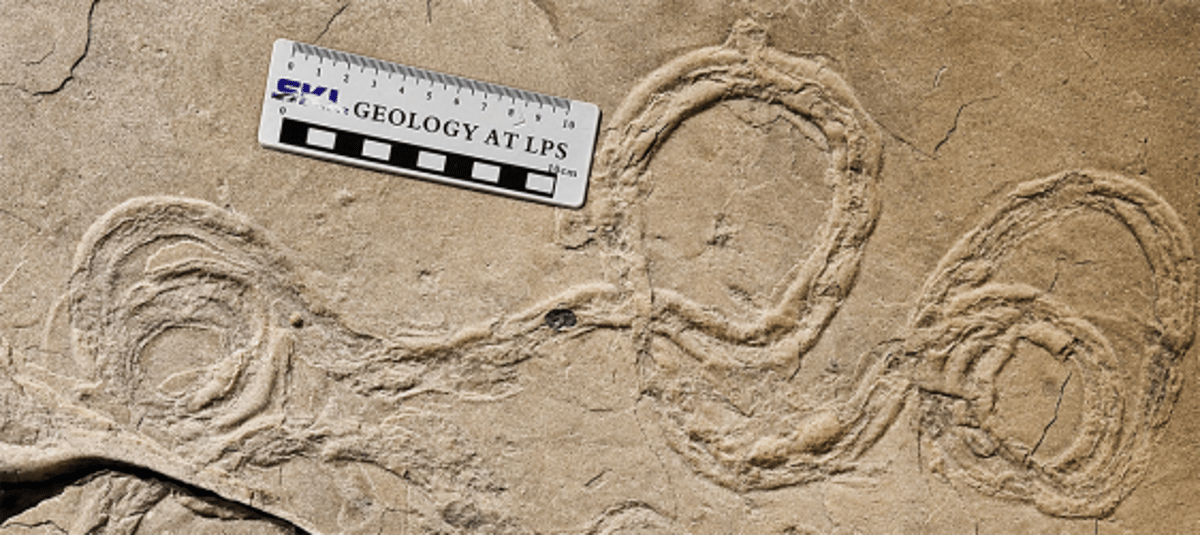
What Happened When the First Animals Started to Move
Researchers at London’s Natural History Museum examined over 230 Ediacaran trace fossils, revealing that the first mobile animals dramatically expanded their sensory range between 546.5 and 539 million years ago. Early organisms could only sense within two body lengths, but later...
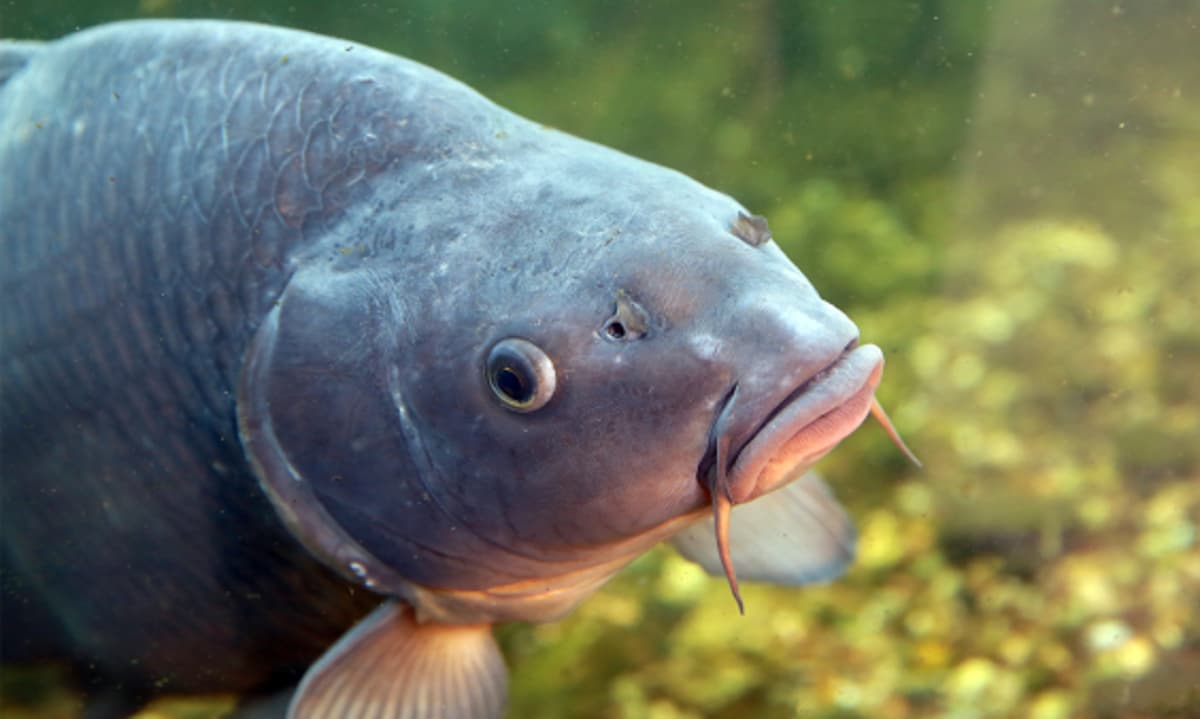
Editing the Pesky Bones Out of a Popular Farmed Fish
Scientists at Huazhong Agricultural University have used CRISPR to knock out the runx2b gene in grass carp, creating a stable line of completely boneless fish. Micro‑CT imaging and comprehensive nutrient profiling showed the edited carp retain normal muscle and fat...
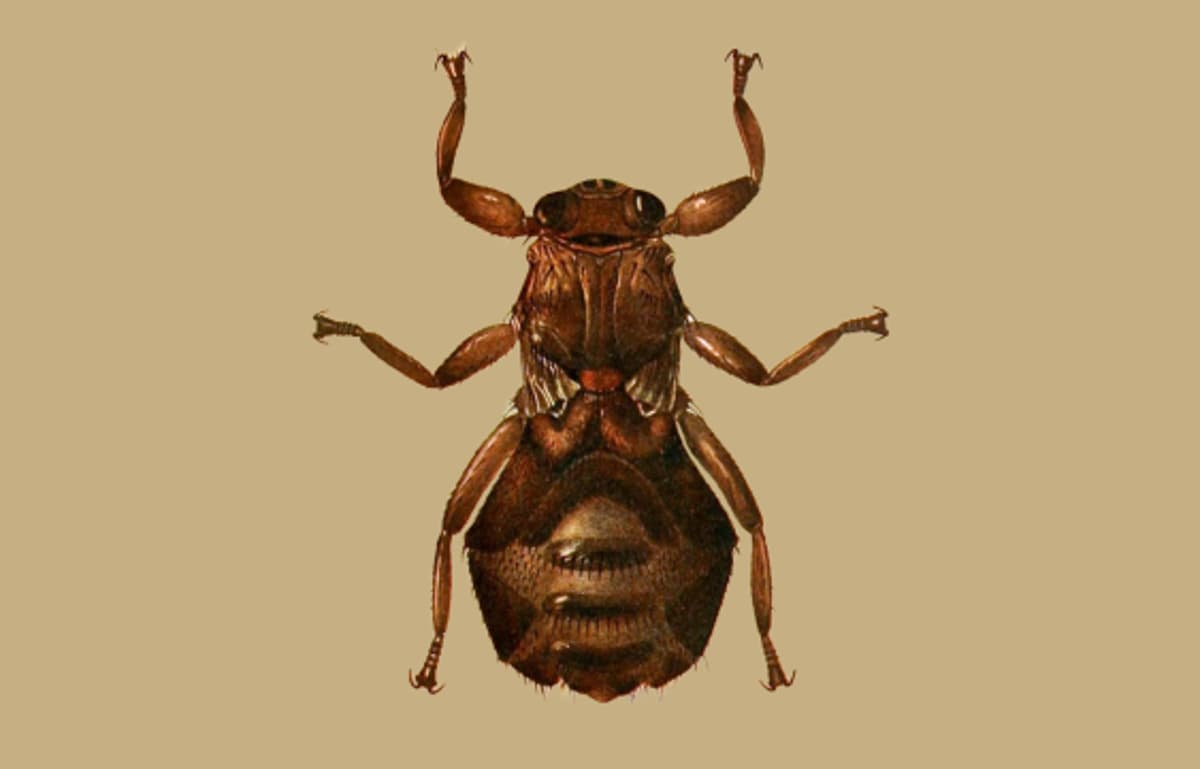
This Blood-Sucking Fly Drastically Transforms When It Finds Its Prey
A new study in the Journal of Experimental Biology shows that deer keds dramatically reduce expression of vision‑related genes after they locate a host. Researchers collected winged keds and host‑bound keds in Tuscany, sequenced brain RNA, and found opsin gene...
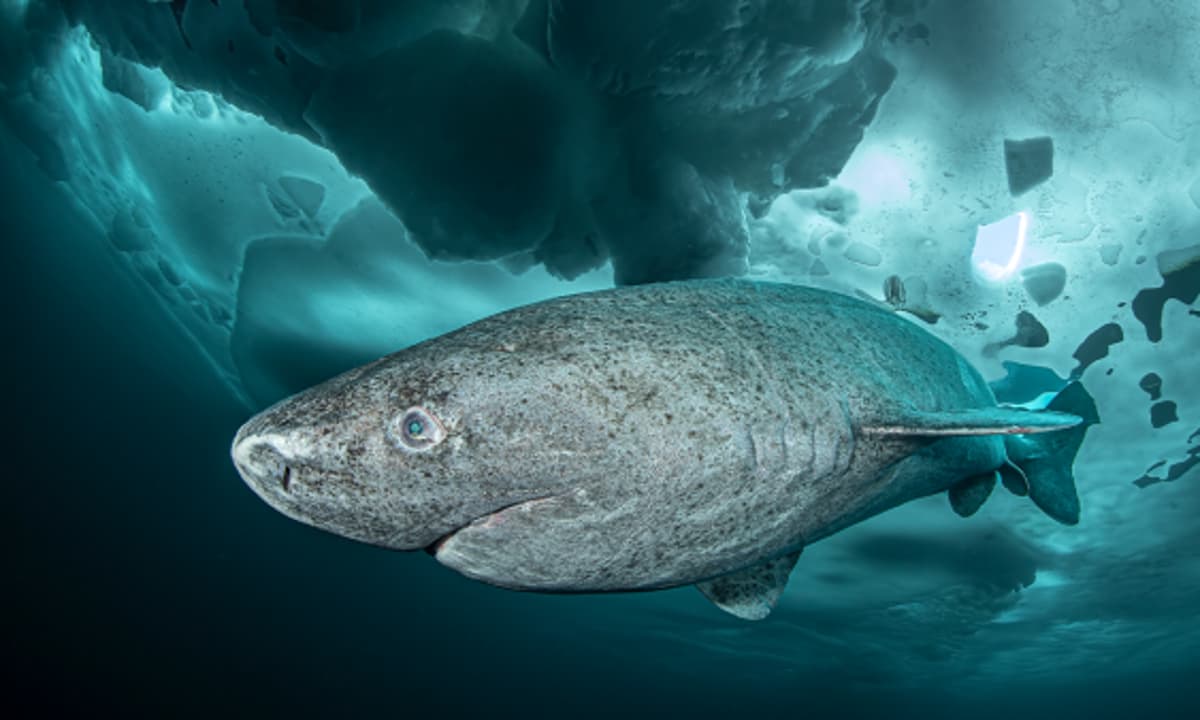
The Genetic Secrets of a Shark That Lives for 500 Years
Researchers published a detailed analysis of the Greenland shark’s massive genome, revealing how the 500‑year‑old vertebrate defies typical cancer risk despite its size. The study, appearing in PNAS, found the shark lacks two gene families—H2AC20 and HSPA8—normally linked to longevity,...

Can a New Drug Combo Prevent Death by Suicide?
Stanford researchers combined a single ketamine infusion with daily low‑dose buprenorphine to prolong anti‑suicidal effects. In a double‑blind trial of 45 adults with major depressive disorder and suicidal ideation, about 50% of placebo‑treated participants were no longer clinically suicidal after...
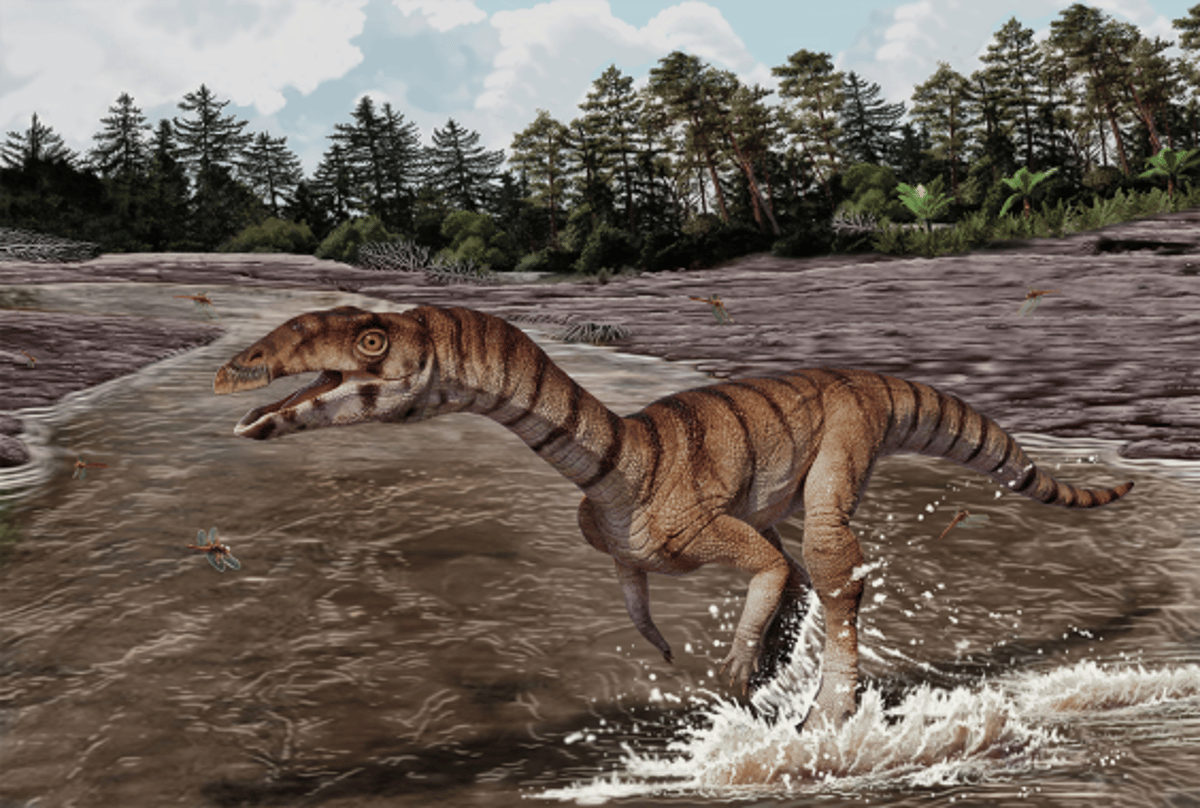
This Toothless, Beaked Crocodile Ancestor Walked on Two Legs
Paleontologists at the Natural History Museum of Los Angeles County have described a new Triassic archosaur, Labrujasuchus expectatus, a toothless, beaked, bipedal crocodile ancestor. The species belongs to the Shuvosauridae family, which sits near the split between crocodile and bird...
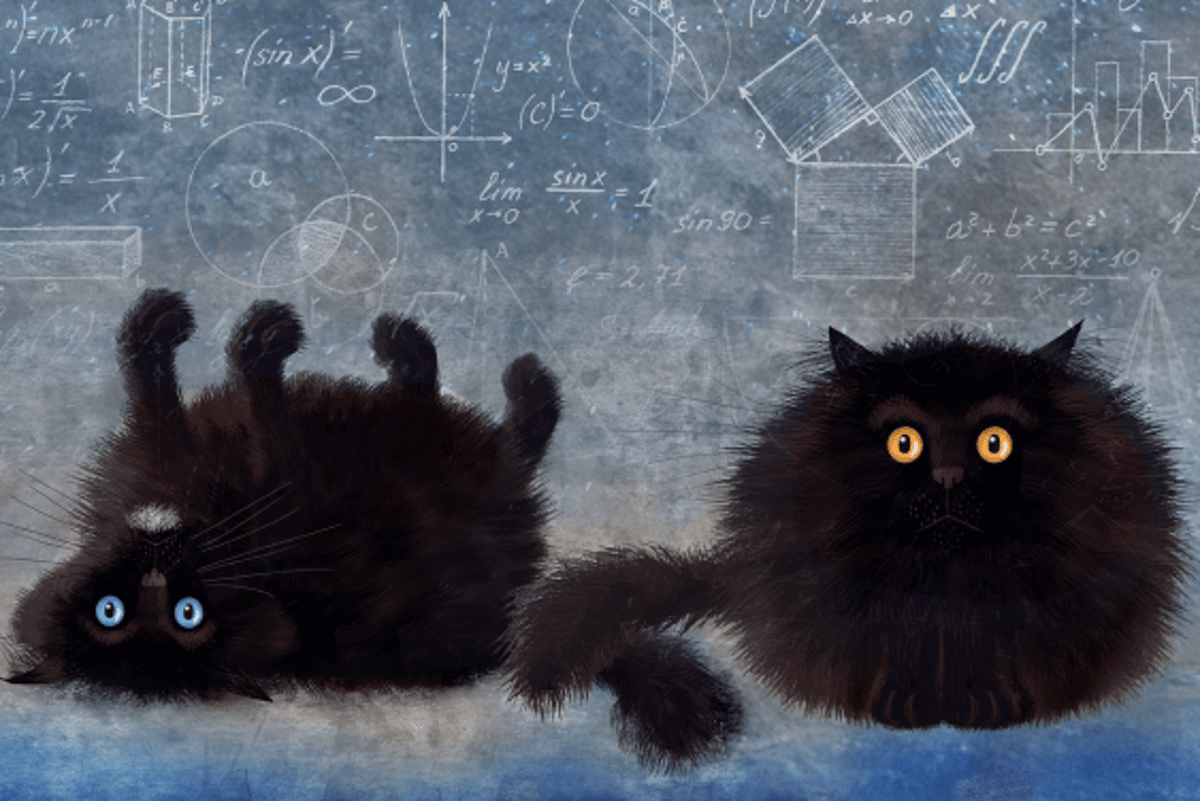
Schrödinger’s Kittens Are All Grown Up
Erwin Schrödinger, frustrated with the Copenhagen interpretation, penned a 1935 letter to Albert Einstein describing a thought experiment where a cat in a sealed box could be simultaneously alive and dead until observed. The scenario, now known as Schrödinger’s cat,...

They Call It Stupid Hot For a Reason
Heat waves are disrupting animal cognition and raising aggression across species, from southern pied babblers that need twice as many trials to solve a simple puzzle to dogs whose bite incidents climb 10% on 90°F days. Studies on chamois, golden...

Using Brain Waves to Translate Thoughts Into Pictures
Physics students at Stevens Institute of Technology trained machine‑learning models to reconstruct visual categories from EEG brain‑wave recordings, correctly identifying images such as pizza and pandas. The work shows that inexpensive, portable EEG—costing a few hundred to a few thousand...
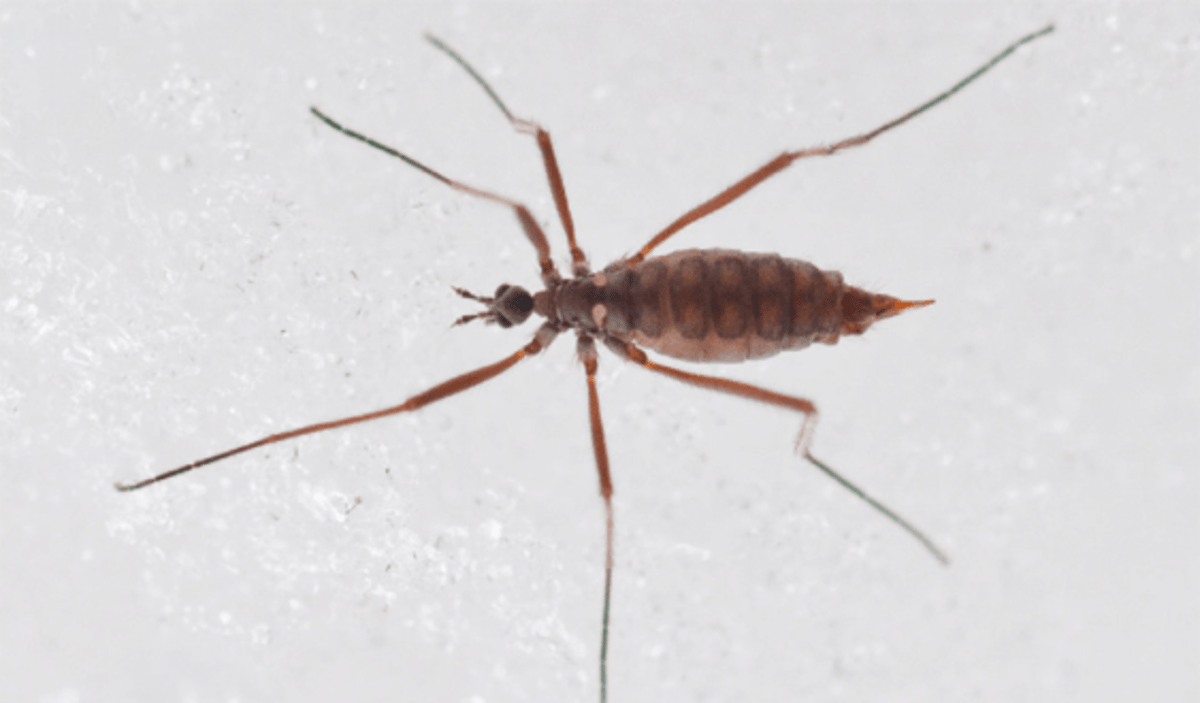
These Tiny Flies Survive, Even Thrive on Snow
Researchers at Northwestern University and international partners sequenced the genome of the wingless snow fly *Chionea alexandriana*, revealing a suite of cold‑tolerance genes. The insects thrive on snow and ice at 0 °C to –6 °C, actively choosing sub‑freezing conditions to lay...

After Two Centuries of Mystery, This Is How Tobacco Plants Make Nicotine
Researchers from the University of York and an international team have finally decoded the long‑standing puzzle of how tobacco plants synthesize nicotine, publishing their findings in Nature Communications. The study reveals that a glucose molecule attaches to one of nicotine’s...
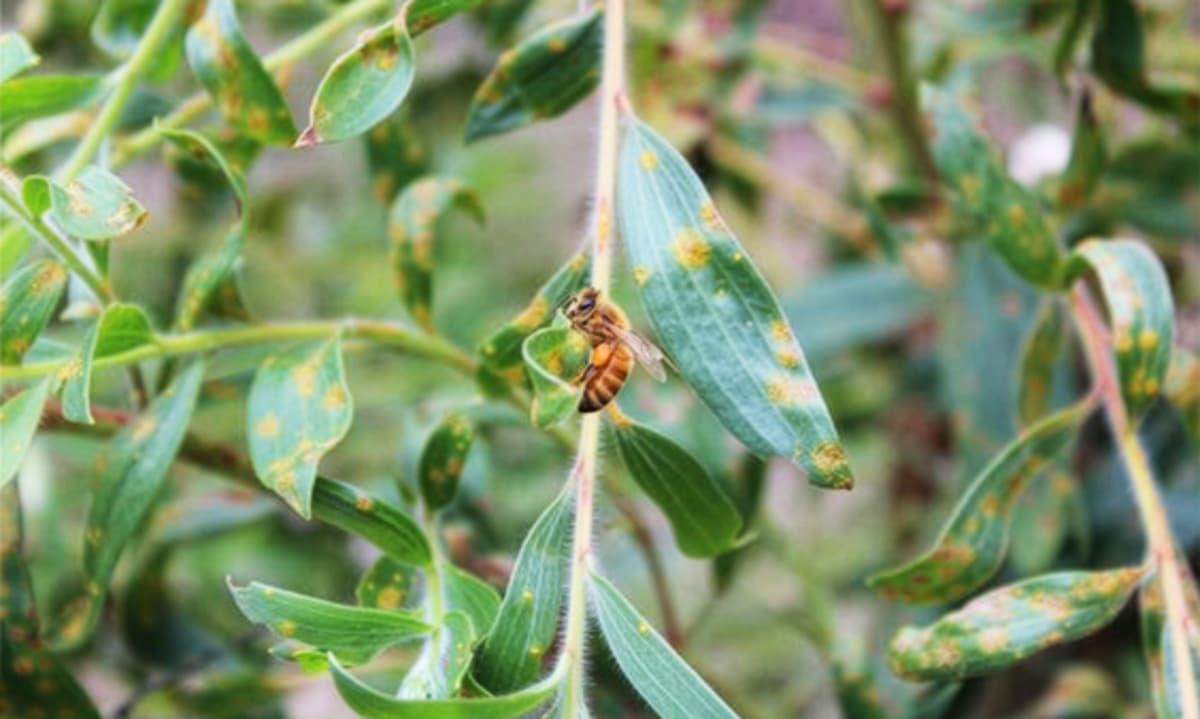
Why These Bees May Be Killing the Plants They Feed From
Researchers in Australia and New Zealand have documented that Western honeybees are actively transporting the invasive myrtle rust fungus while foraging on infected flowers. About half of the sampled bees returned to their hives with spores on their bodies, and 45%...

We Finally Have the Answer for T. Rex’s Tiny Arms
Paleontologists analyzed 82 theropod species and discovered that the iconic tiny arms of T. rex and its relatives are closely tied to the evolution of a more massive, robust skull rather than sheer body size. The research, published in Proceedings of...