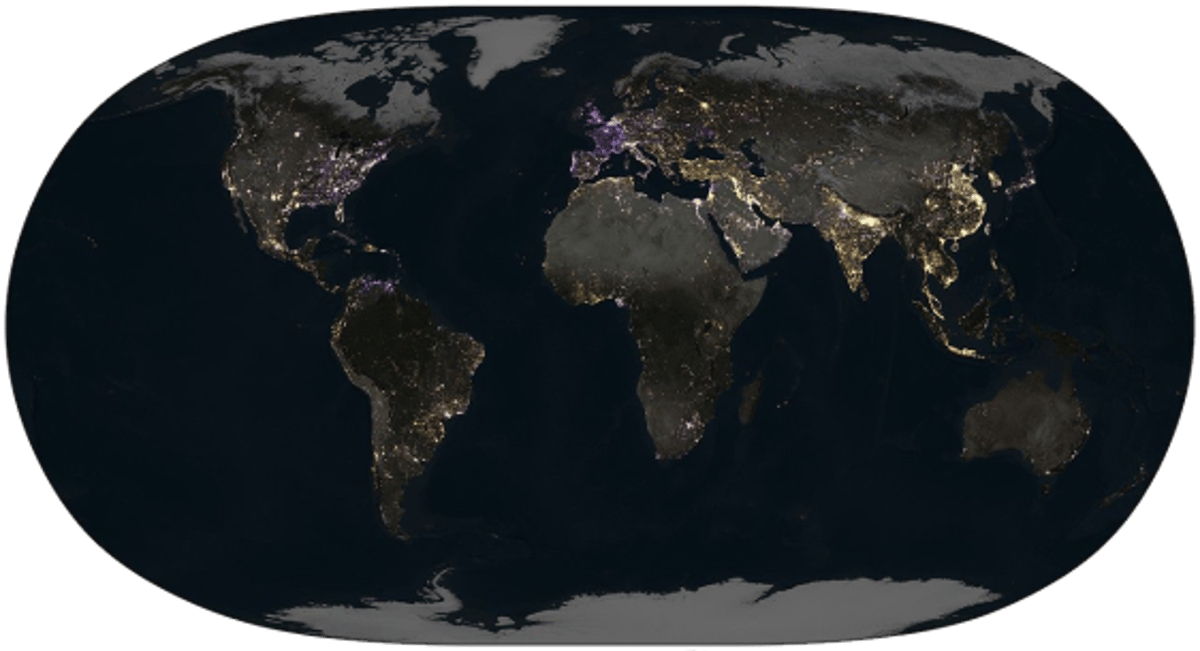
New NASA Graphic Captures Human Activity at Night
NASA’s Black Marble project combined data from three Earth‑observing satellites to produce a high‑resolution nighttime lights map covering 2014‑2022. The analysis shows a 34 percent rise in global radiance, but the brightening is uneven. China and India led the surge, while the U.S. East Coast and much of Europe dimmed, reflecting LED retrofits and energy‑saving measures exacerbated by the Russo‑Ukrainian war. The visual underscores how satellite‑derived light data can track urban growth and energy trends in near real‑time.
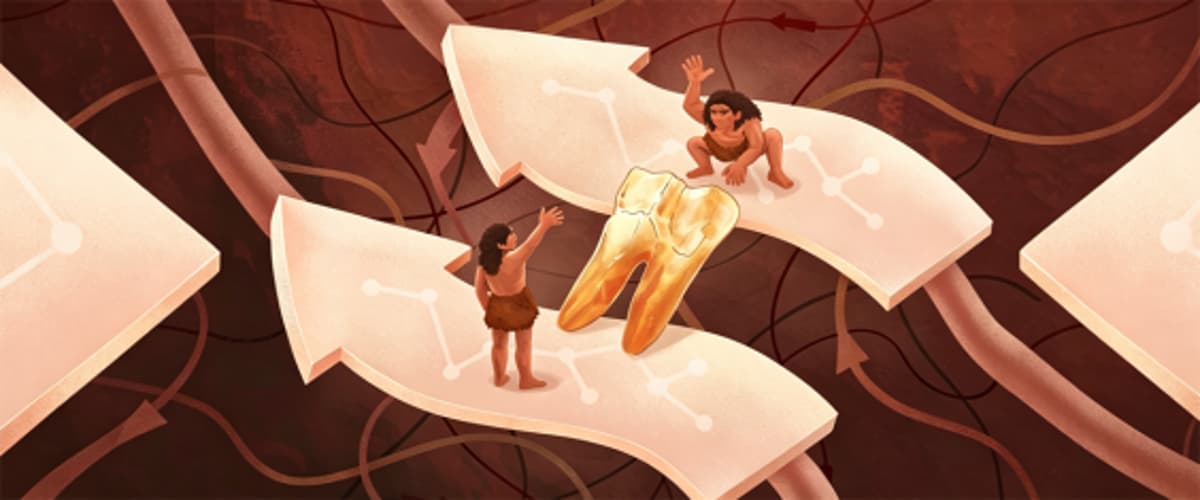
Ancient Teeth Hint at Homo Erectus-Denisovan Interbreeding
Researchers at the Chinese Academy of Sciences extracted enamel proteins from 400,000‑year‑old Homo erectus teeth discovered in China and identified two amino‑acid variants. One variant is unique to Homo erectus, while the second, M273V, matches a sequence found in Denisovans,...
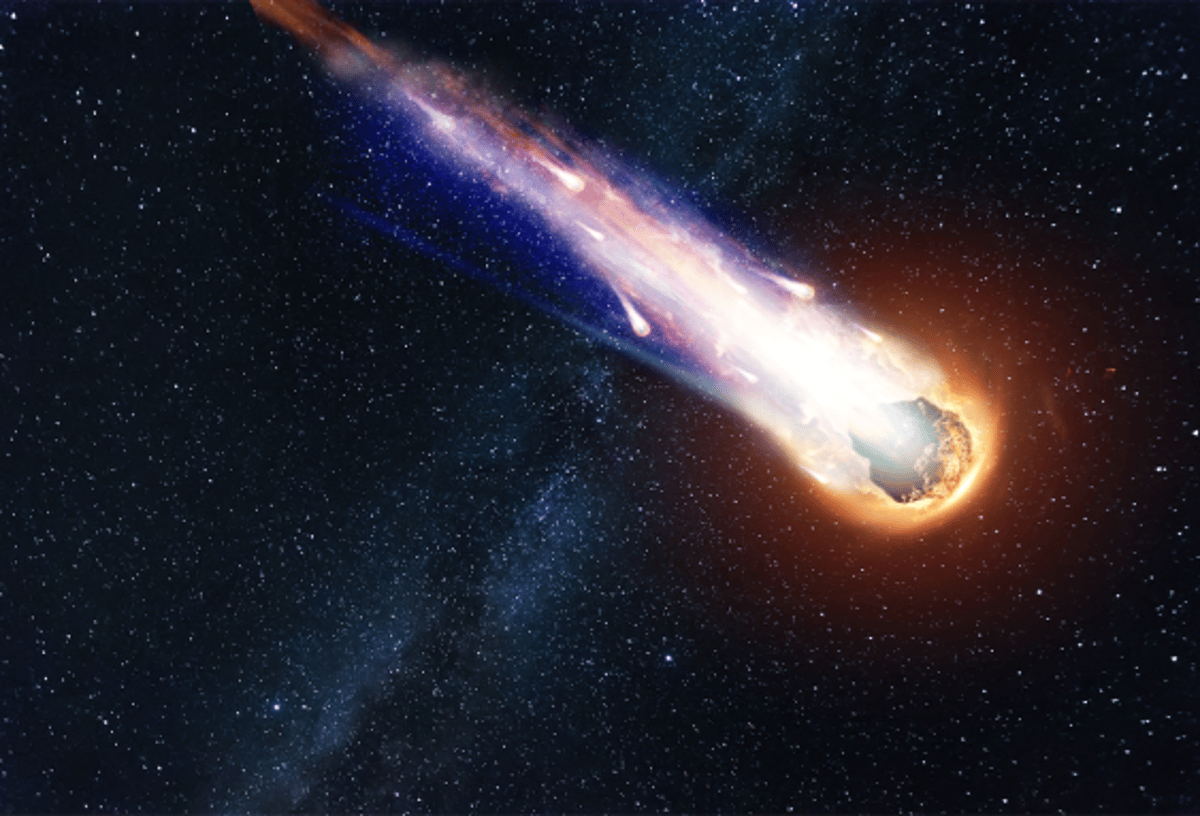
Newly Discovered Asteroid to Make Close Pass by Earth
Asteroid 2026 JH2, measuring roughly 50‑100 feet across, will fly past Earth on Monday evening at a distance of about 56,000 miles, roughly a quarter of the Moon’s orbit. Discovered on May 10, the Apollo‑class near‑Earth object has been closely tracked, and current calculations...
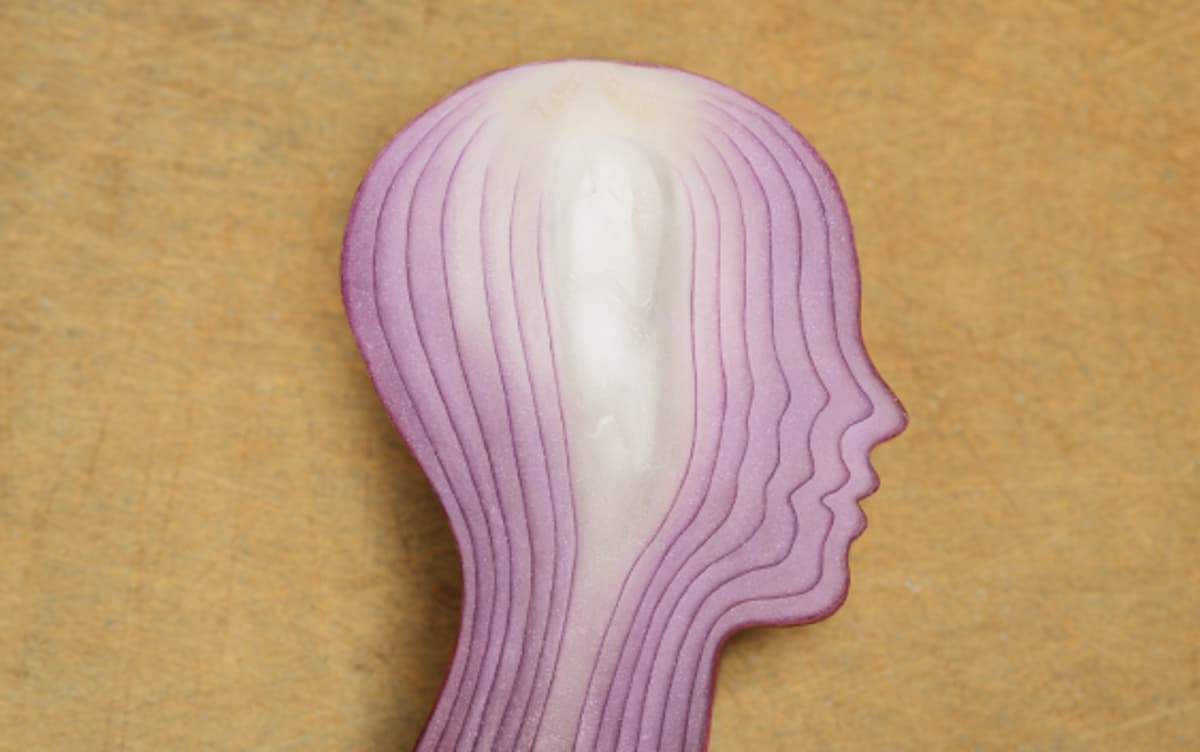
Your Brain Can Learn Things When You’re Unconscious
Researchers at Baylor College of Medicine discovered that human hippocampal neurons can learn and process language while patients are under propofol anesthesia. Using Neuropixels probes, they showed neurons improve detection of oddball tones within ten minutes and respond to grammatical...
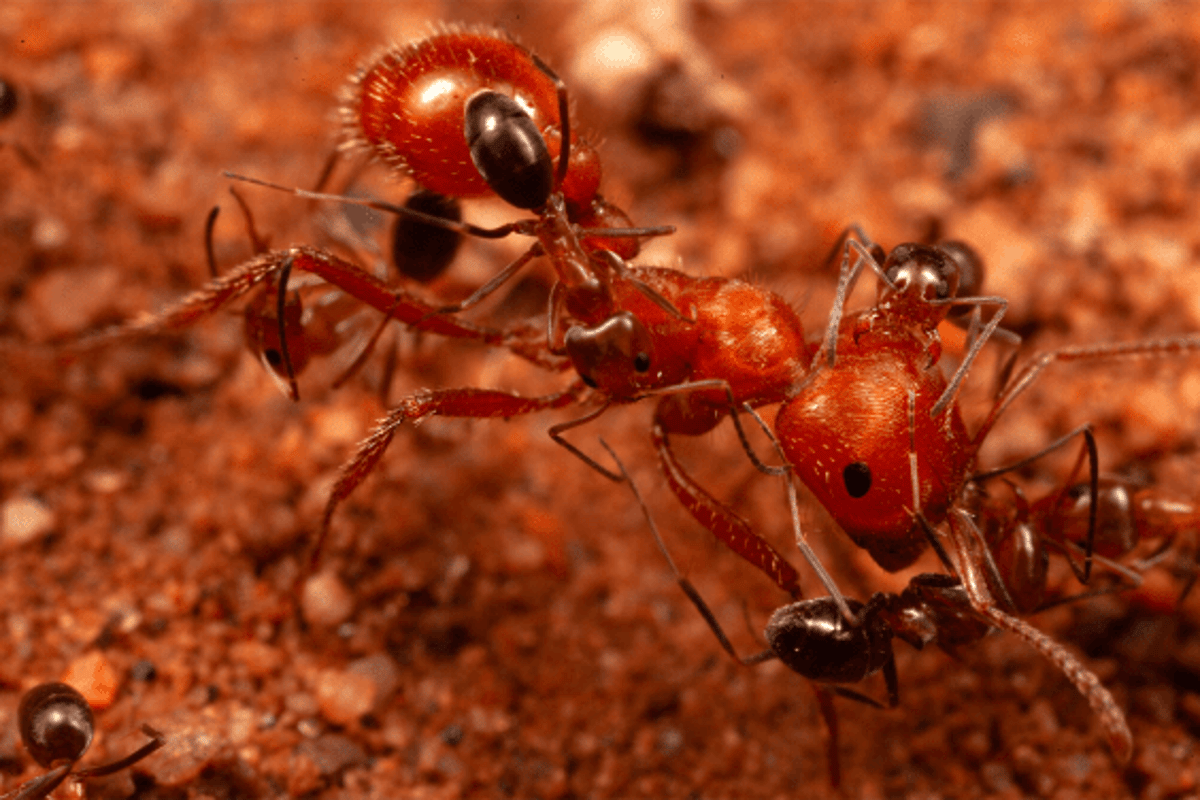
These Small Ants Act Like Cleaner Fish
Biologist Mark Moffett documented the first known cleaning mutualism between desert harvester ants (Pogonomyrmex barbatus) and much smaller cone ants. The larger ants pause at their nest entrance while the cone ants crawl over them, licking and nipping for 15...

Where Does Novelty Come From?
Paleobiologist Douglas Erwin’s new book, The Origins of the New, argues that evolutionary novelty and economic innovation are fundamentally different concepts. He shows how grasses first appeared 55 million years ago as a novel trait, yet only became dominant after a...
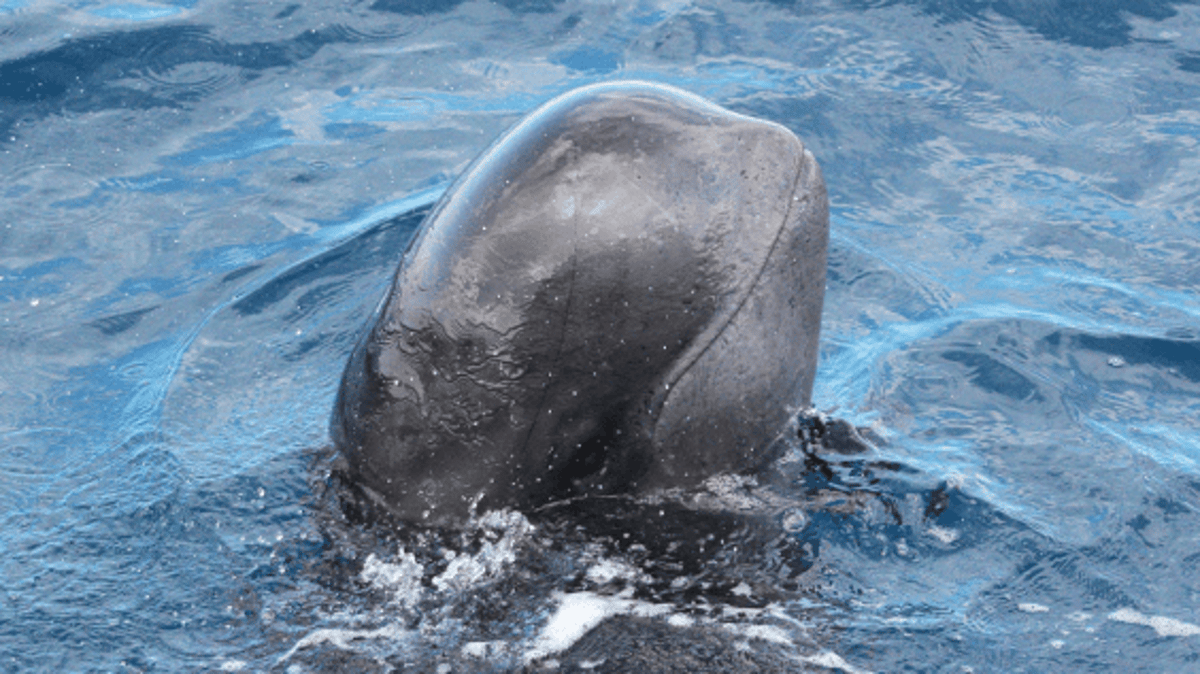
These Whales Are Screaming in the Strait of Gibraltar
A 2025 study in the Journal of Experimental Biology examined whether the critically endangered long‑finned pilot whales in the Strait of Gibraltar exhibit the Lombard effect amid intense ship noise. Researchers attached suction‑cup recorders to 23 whales, gathering 1,432 calls...

Most Bird Wings Aren’t Optimized for Flight
Researchers at the University of Bristol built a theoretical morphospace of every conceivable bird wing shape and simulated performance across flight modes. By comparing real‑world measurements of over 200 species, they found most birds occupy the middle to low end...
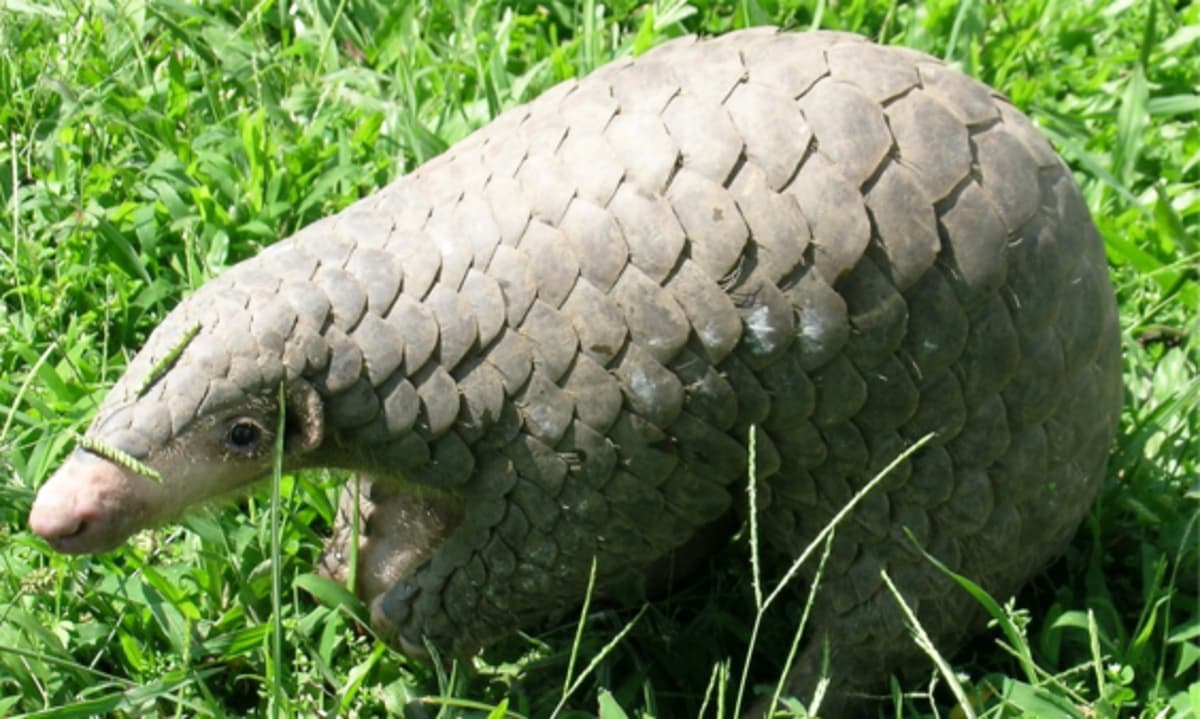
Mapping the Illegal Wildlife Trade Using Pangolin DNA
A new study in PLOS Biology used genetic sequencing to map the illegal pangolin trade. Researchers from the University of Toulouse and more than a dozen collaborators analyzed over 700 samples from Sunda, Chinese and white‑bellied pangolins, creating a genomic...
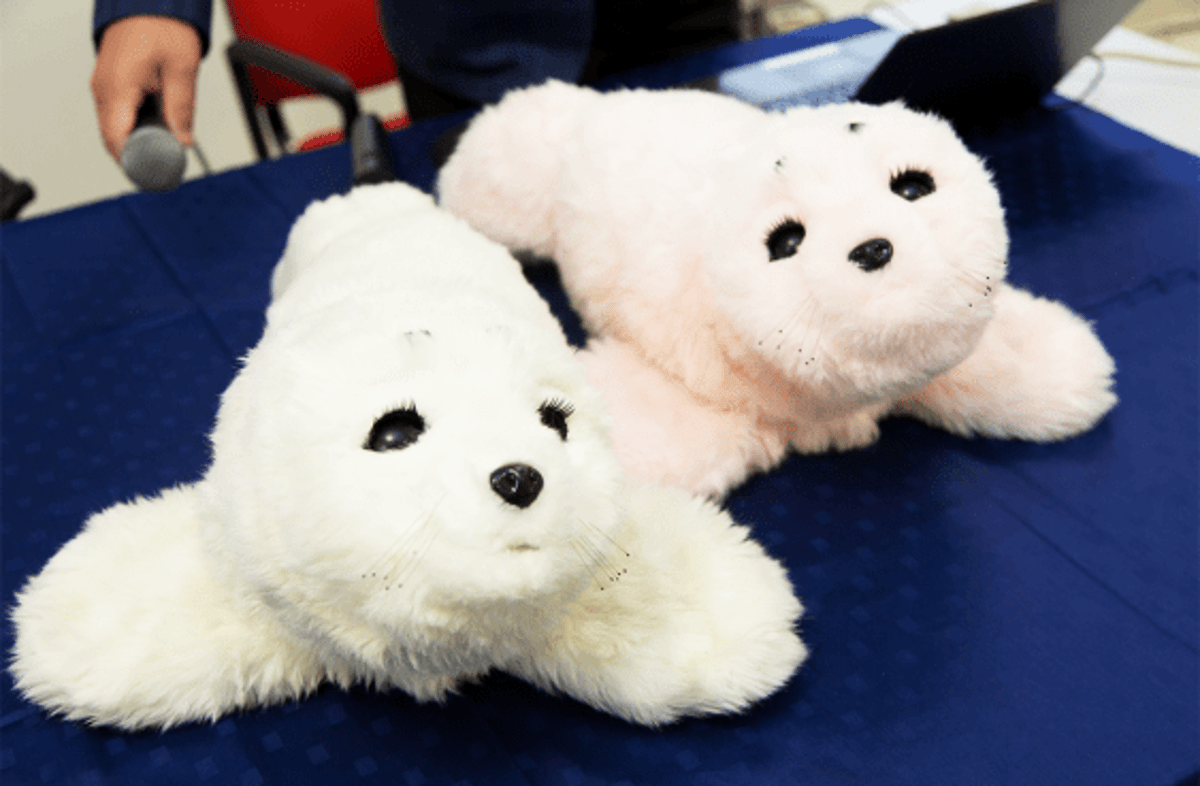
How to Build a Trustworthy Robot
Researchers in Science Robotics argue that future robots should learn collaboratively with humans, building trust through interaction histories. Sharmita Dey of the Institute of Robotics and Intelligent Systems explains that such robots must adapt to cultural norms, individual preferences, and...

Does Sexual Attraction Cloud Our Rejection Detection?
Researchers at Reichman University examined how sexual arousal influences courtship perception by showing college participants either a risqué or neutral video before an online chat with an attractive confederate. The chat partner delivered ambiguous cues, and in some cases a...
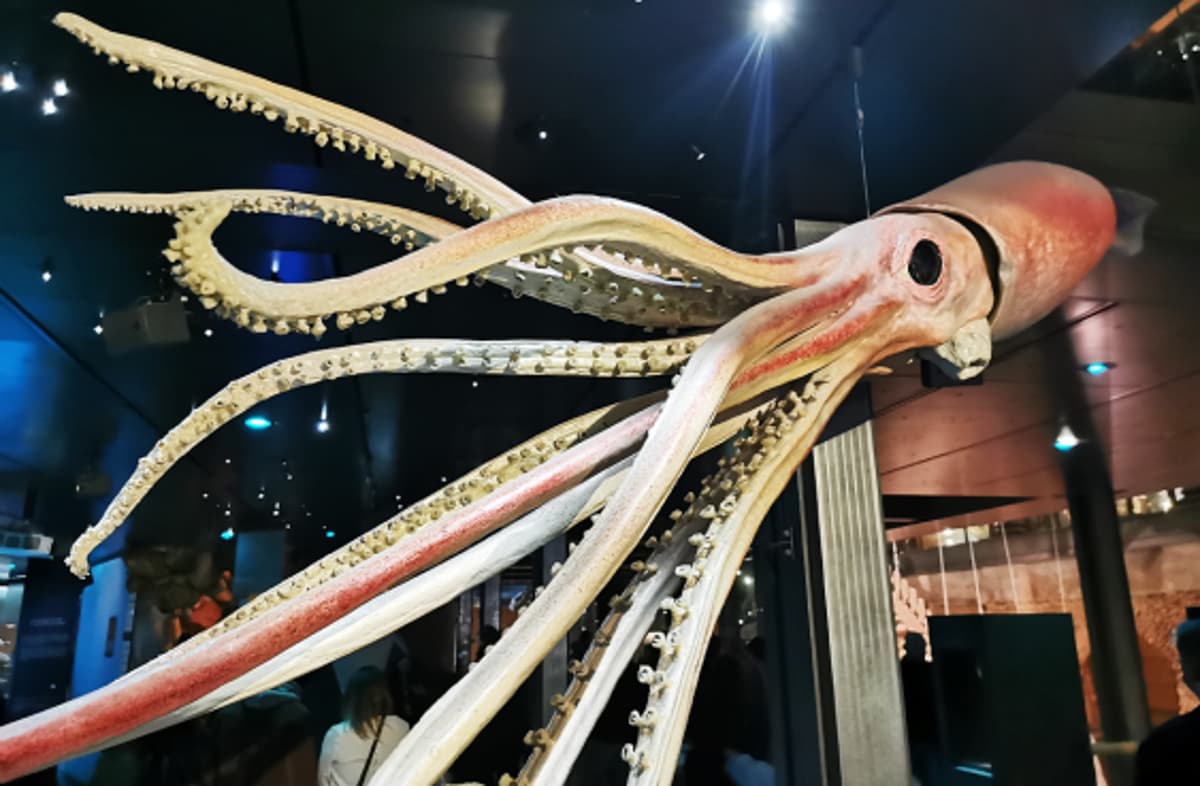
Giant Squid Discovered Lurking Off the Australian Coast
Researchers from Curtin University used environmental DNA (eDNA) to analyze over 1,700 L of seawater from the steep canyons off Western Australia’s Ningaloo Coast. The study, published in *Environmental DNA*, identified DNA from 226 marine species, including the world’s deepest‑diving mammal...

These Beetles Might Be Flying Ubers for Worms
Scientists documented nematodes forming vertical towers on rotting fruit in German orchards, marking the first wild observation of this behavior previously seen only in labs. The towers belong to a newly described species, Caenorhabditis apta, which clusters on invasive sap‑sucking...
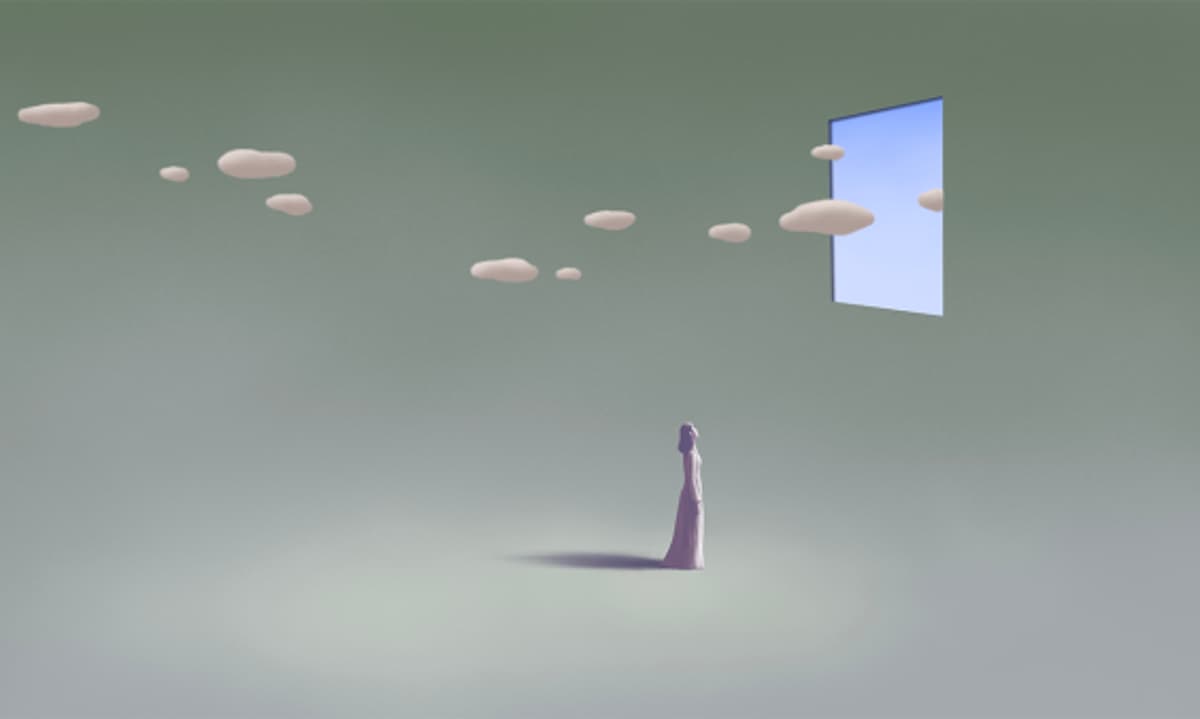
What Your Dream Life Says About You
Italian researchers analyzed 3,366 dream reports from 207 adults using large language models, linking dream content and recall to cognitive traits, mind‑wandering tendencies, and sleep quality. The study, published in Nature Communications, found that people who value dreams, experience high‑quality...
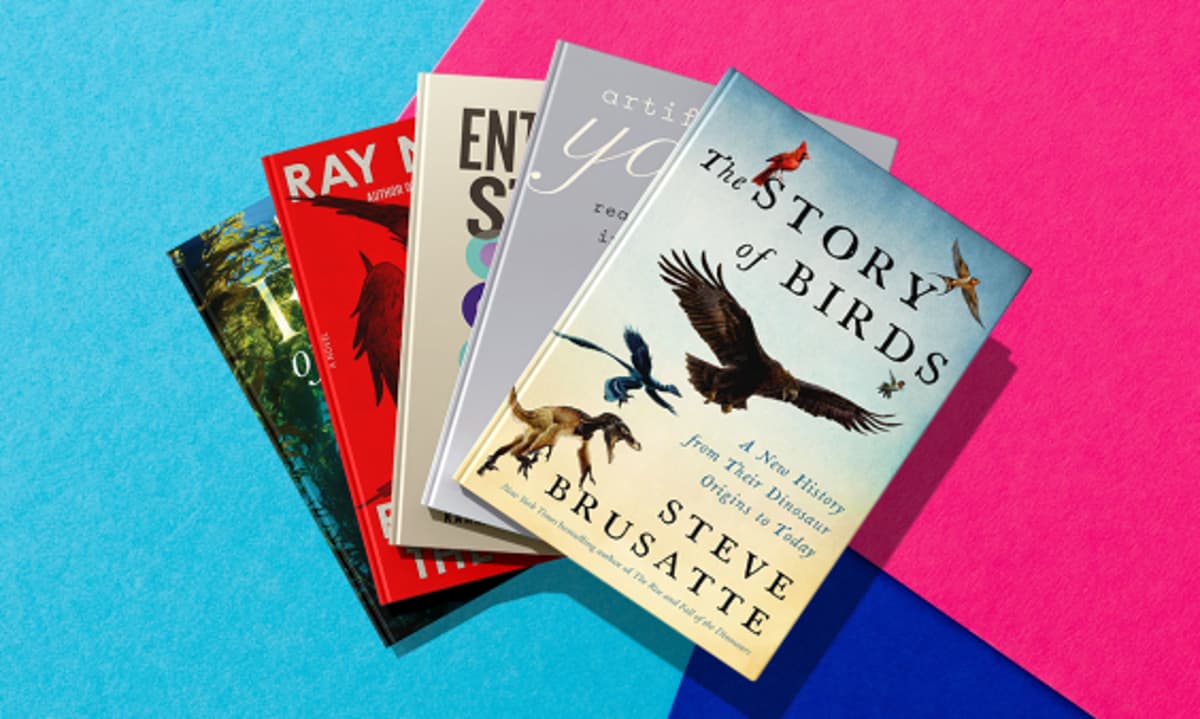
10 Books We’re Excited About This May
May 2026 sees a curated list of ten new titles that blend hard science with speculative fiction, offering readers fresh perspectives on topics ranging from human sleep evolution to quantum‑inspired life philosophies. The selection, highlighted by Princeton University Press’s *The Sleepless...
The First Male Neanderthal Genome
Researchers at the Max Planck Institute have released the first high‑coverage male Neanderthal genome, extracted from a 110,000‑year‑old bone found in Russia’s Altai Mountains. The genome reveals a small, roughly 50‑person population with signs of inbreeding, and shows that the...
Nature’s Overlooked Role in National Security
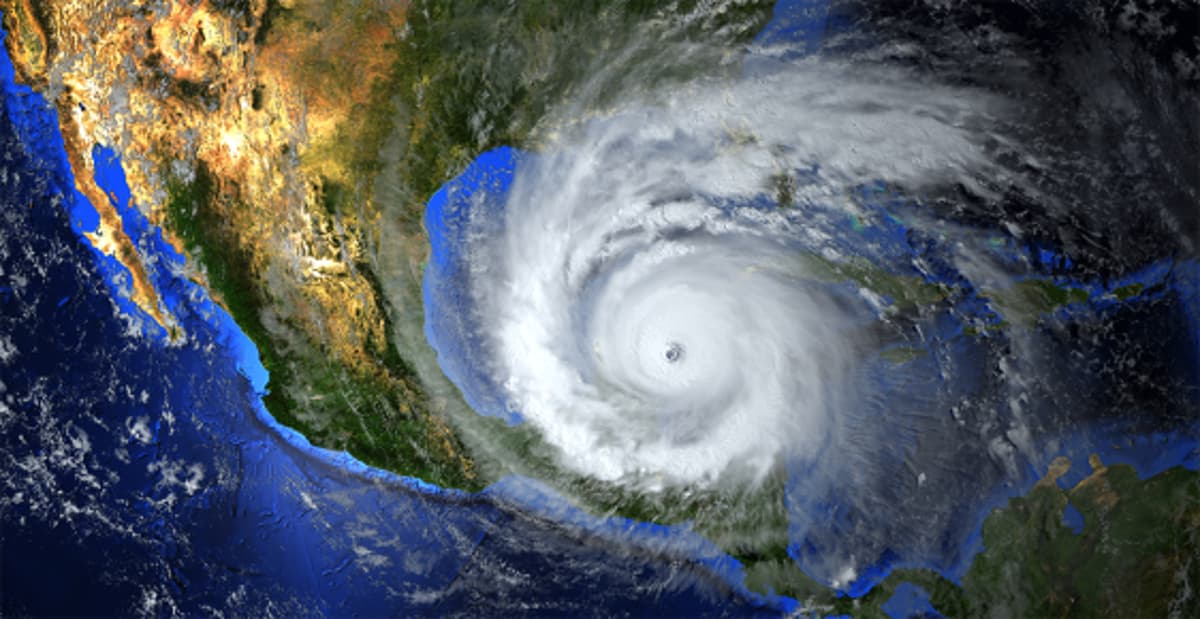
The historic Cod Wars demonstrated how competition over a depleted fishery can ignite near‑military conflict. New research by ecologists and intelligence experts links 27 global case studies of ecosystem disruption to heightened political instability and national‑security threats. The authors argue...
Our Human Ancestors Dined on Takeout
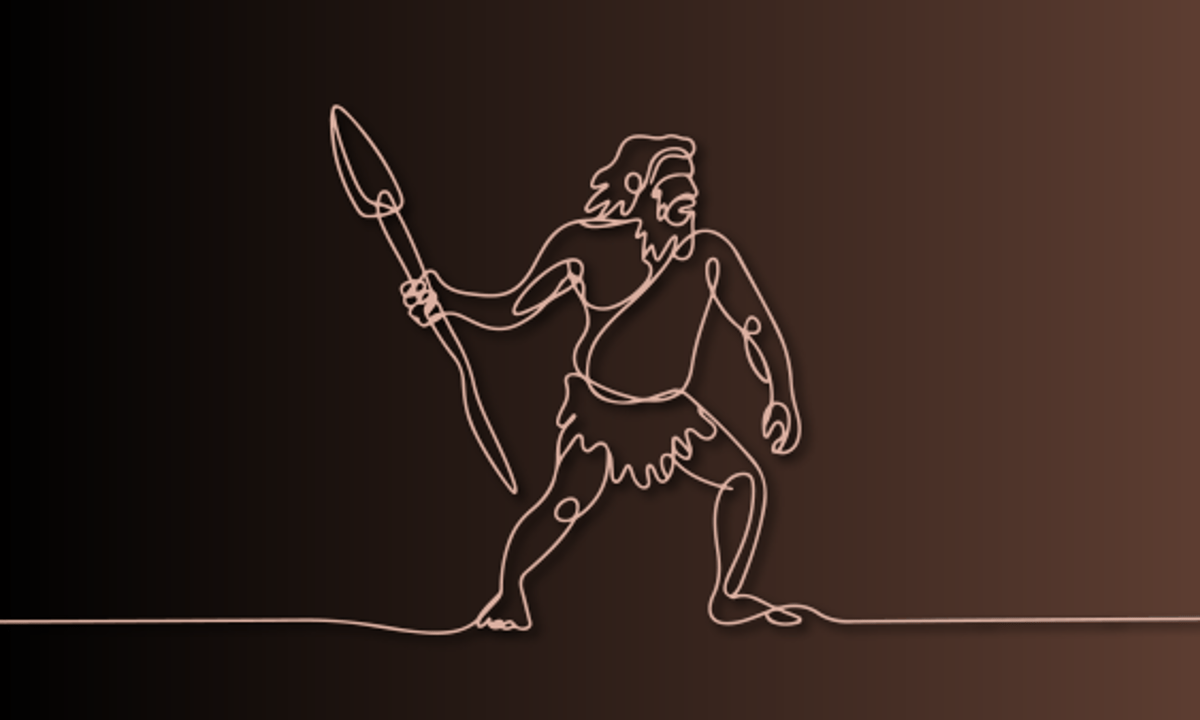
New research published in the Proceedings of the National Academy of Sciences reveals that 1.6‑million‑year‑old animal bones from East African wetlands bear stone‑tool cut marks, indicating early hominins processed meat themselves. The scarcity of carnivore tooth marks suggests these ancestors...
There’s A Dwarf Galaxy Hidden Inside the Milky Way
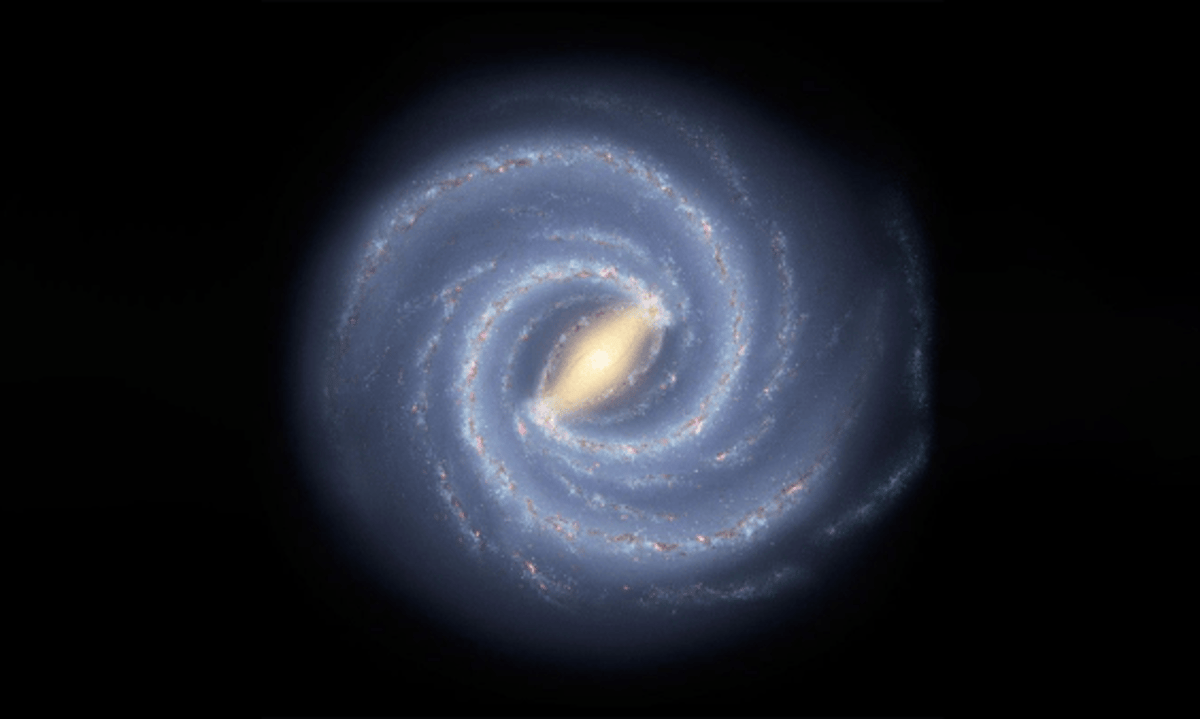
A team of international astronomers has identified a cluster of 20 metal‑poor stars in the Milky Way’s disk that likely originated from a previously unknown dwarf galaxy dubbed “Loki.” Chemical fingerprints show these ancient stars are older than most disk...
What Hurt This Jurassic Sea Monster?
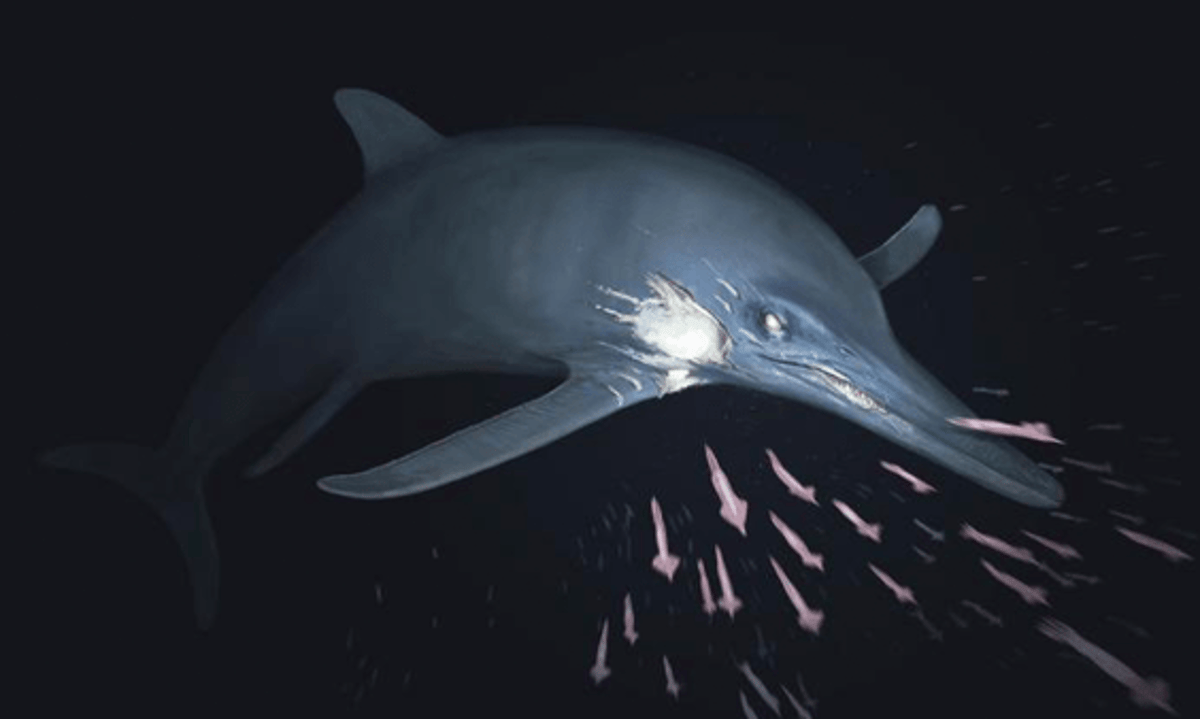
Paleontologists in Bavaria uncovered a remarkably intact Temnodontosaurus skeleton, including skull, torso, spine and over 100 teeth, making it one of the youngest specimens of the genus. Detailed analysis revealed deformed shoulder and jaw joints, indicating the animal suffered serious...
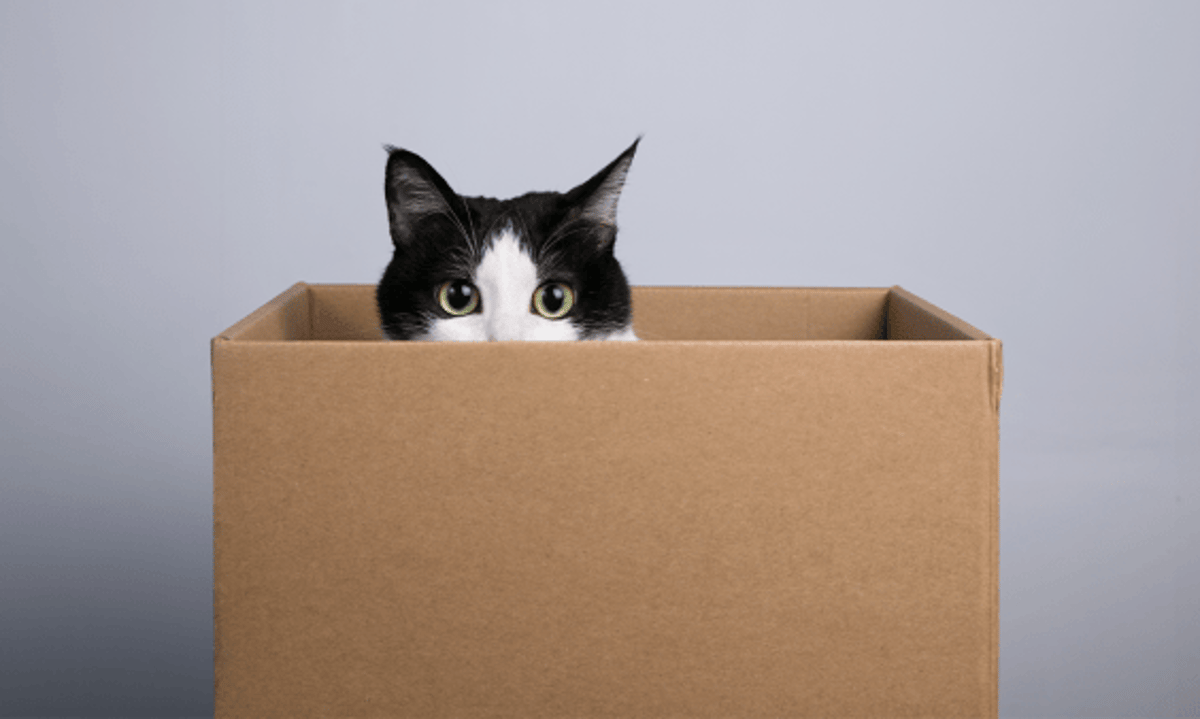
How Does Your Brain Know a Cat Is a Cat?
Neuroscientists Lisa Feldman Barrett and Earl Miller argue that the brain constructs categories, such as “cat,” via predictive hypotheses before conscious perception. Their review in Nature Reviews Neuroscience links this predictive categorization to Barrett’s constructed emotion theory, suggesting the brain...
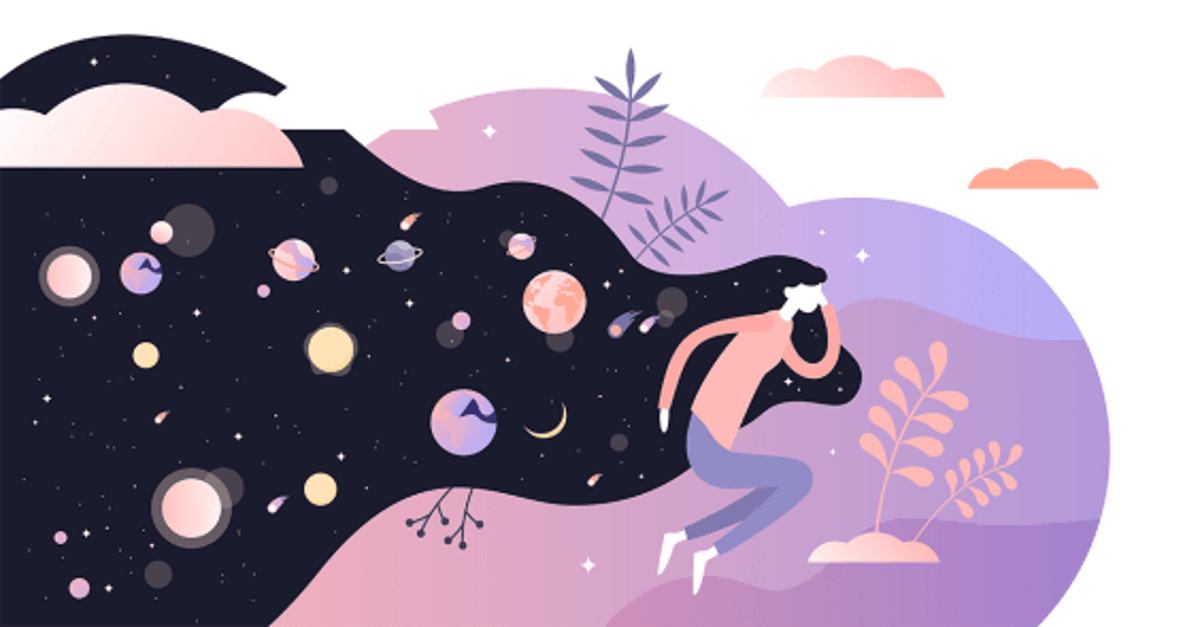
Here’s Why Dreams During Naps Are So Weird
A Paris Brain Institute team recorded 92 habitual nappers as they fell asleep while holding a bottle that would wake them. Participants rated their mental experience, revealing four distinct clusters ranging from fleeting memories to bizarre, uncontrolled imagery. EEG data...
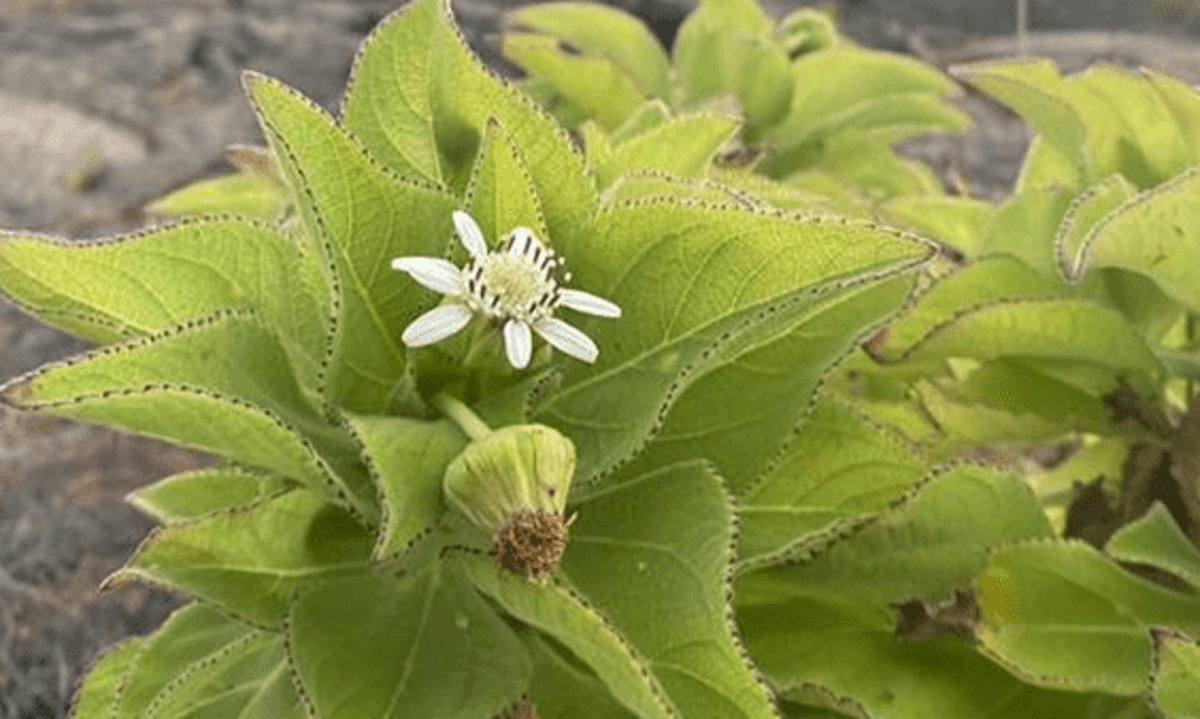
The Rapid Evolution of Giant Daisies
A new Nature Communications study reveals that the giant daisy genus Scalesia rapidly diversified across the Galápagos Islands, producing forms ranging from low shrubs to towering trees within the last million years. Researchers found that leaf lobes—an adaptation for cooling...
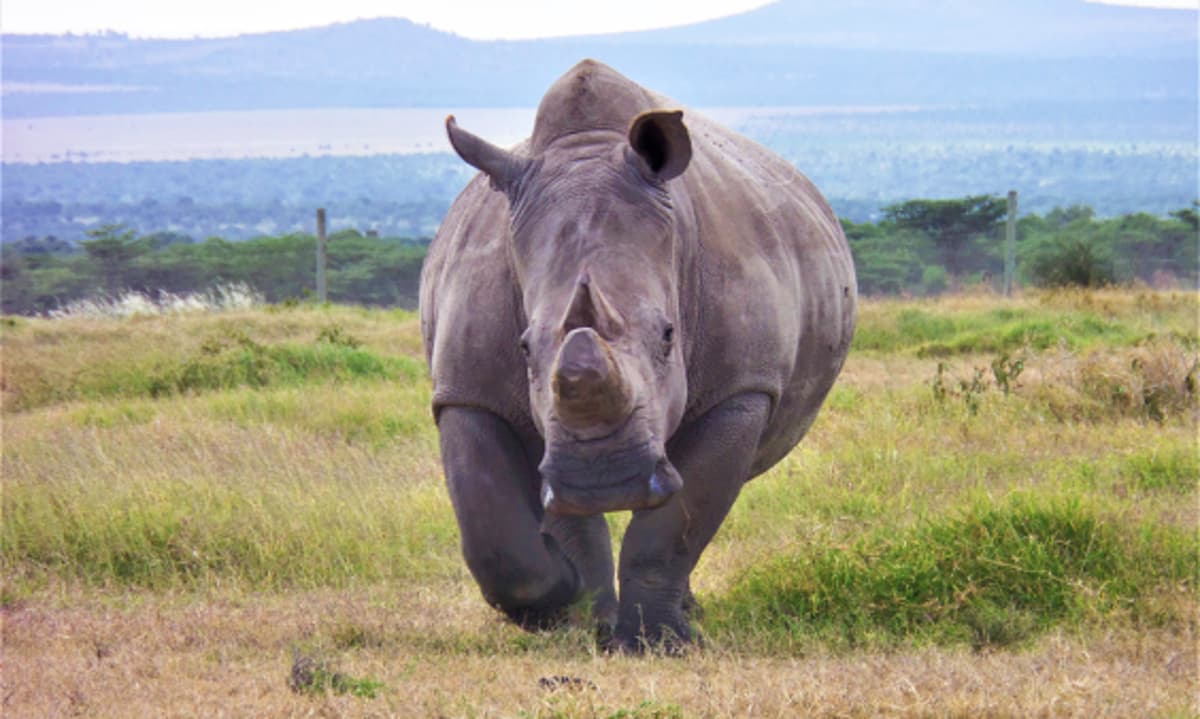
When a Species’ Survival Hinges on Every Single Embryo
The northern white rhino is functionally extinct, with only two non‑reproductive females left. BioRescue has produced 39 embryos using frozen sperm and eggs harvested from the remaining female, Fatu, but surrogate pregnancies in southern white rhinos have failed. A new...

Vaccine Hesitancy in an Era of Misinformation
The CDC revised its autism‑vaccine statement in November 2025, moving from a definitive “no link” stance to an uncertainty‑based message. A Science‑journal survey of 2,900 U.S. adults found that exposure to the new wording raised perceived vaccine risks and lowered...
Scorpions Wield Metal-Tipped Weapons
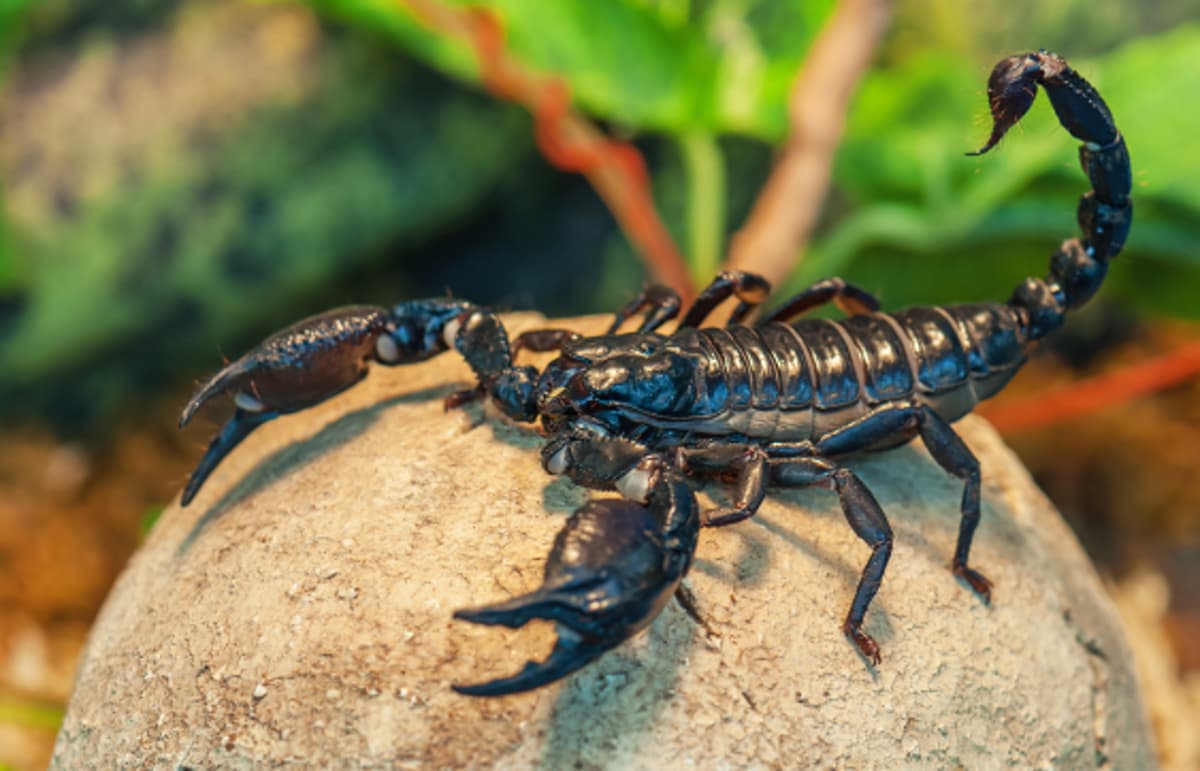
Researchers from the Smithsonian and Australian scientist Sam Campbell used electron microscopy and X‑ray analysis to map metal deposits in scorpion weaponry. They discovered zinc concentrated at the tip of the stinger, a manganese band behind it, and zinc or...
New Frog Species Gets Olympian Name
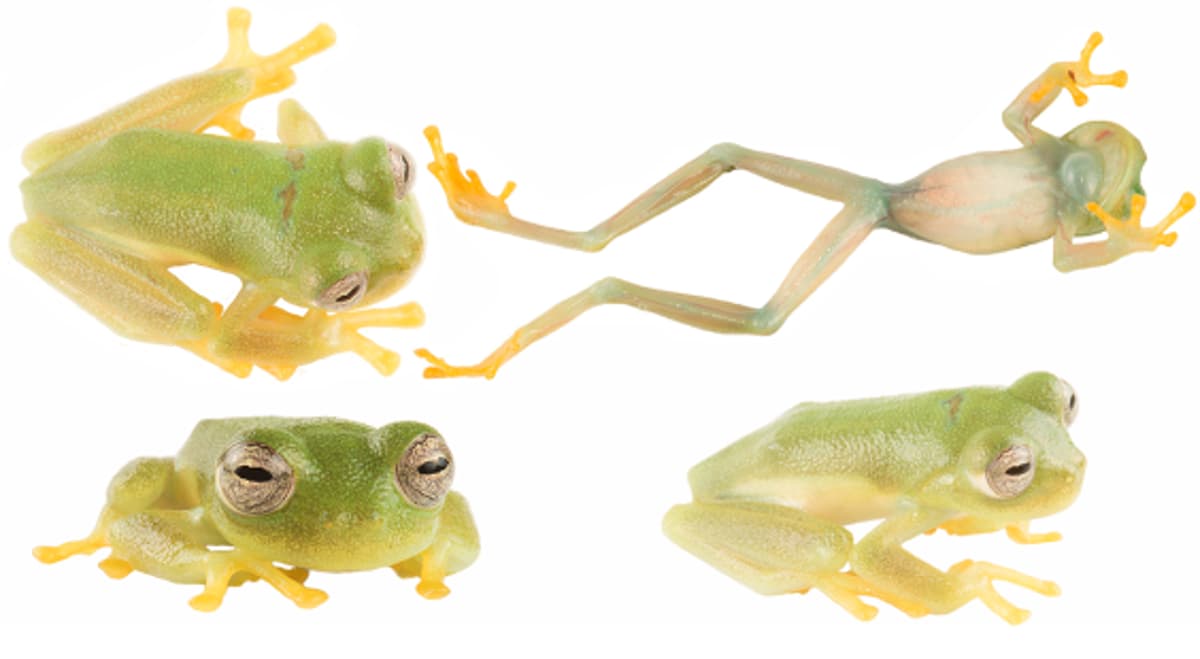
Scientists have described a new glassfrog species, Nymphargus dajomesae, from the remote Cordillera del Cóndor in southern Ecuador. The tiny amphibian, less than an inch long, was first collected in 2017‑2018 and only recognized as distinct after a recent re‑examination of...
Our Eyes Originated in a 600-Million-Year-Old Cyclops
Lund University scientists mapped photoreceptor types across animals and traced modern vertebrate eyes back to a 600‑million‑year‑old worm‑like ancestor with a single median eye. That ancestor briefly evolved paired eyes before reverting to a single eye as it adopted a...
The Predictive Powers of Bear Poop
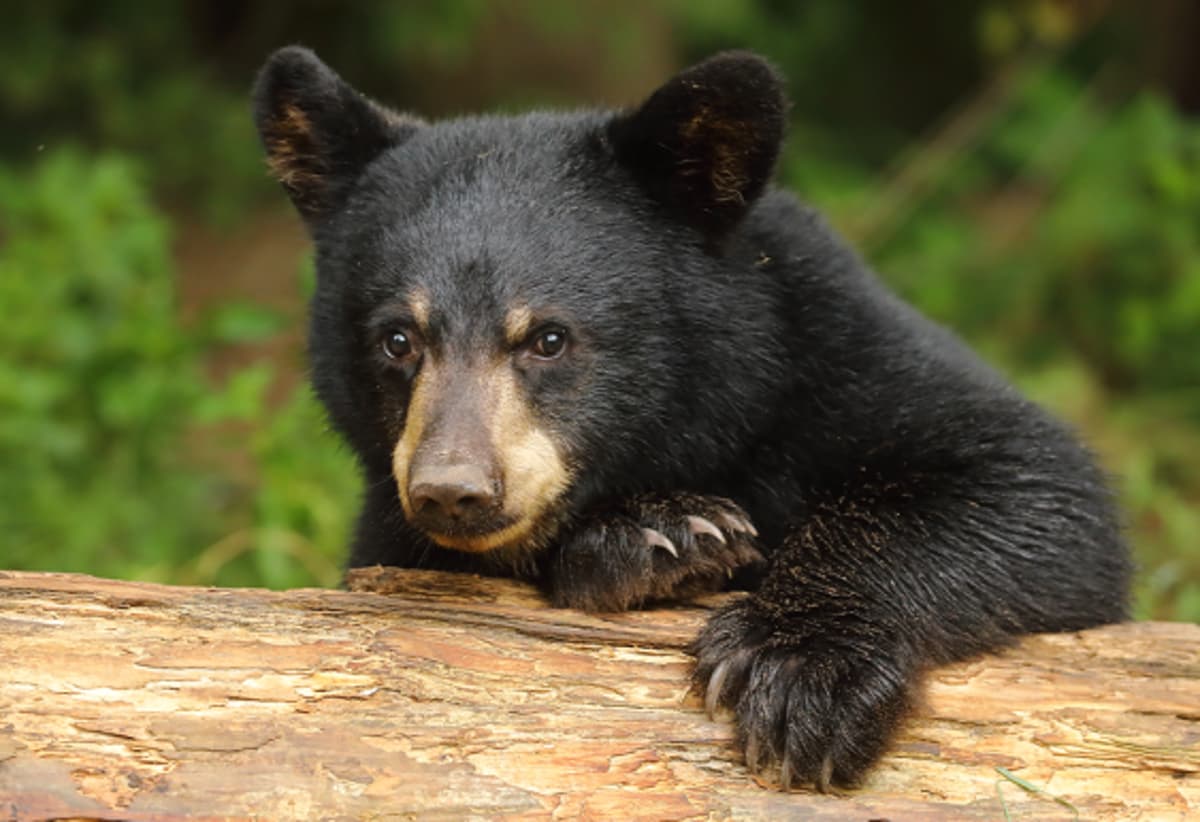
Scientists in North Carolina sequenced the gut microbes of 48 wild black bears, uncovering a dominance of Clostridium sensu stricto 1, a bacterium linked to obesity in humans. The study also revealed high levels of antibiotic‑resistant Enterococcus and Ochrobactrum, suggesting bears...
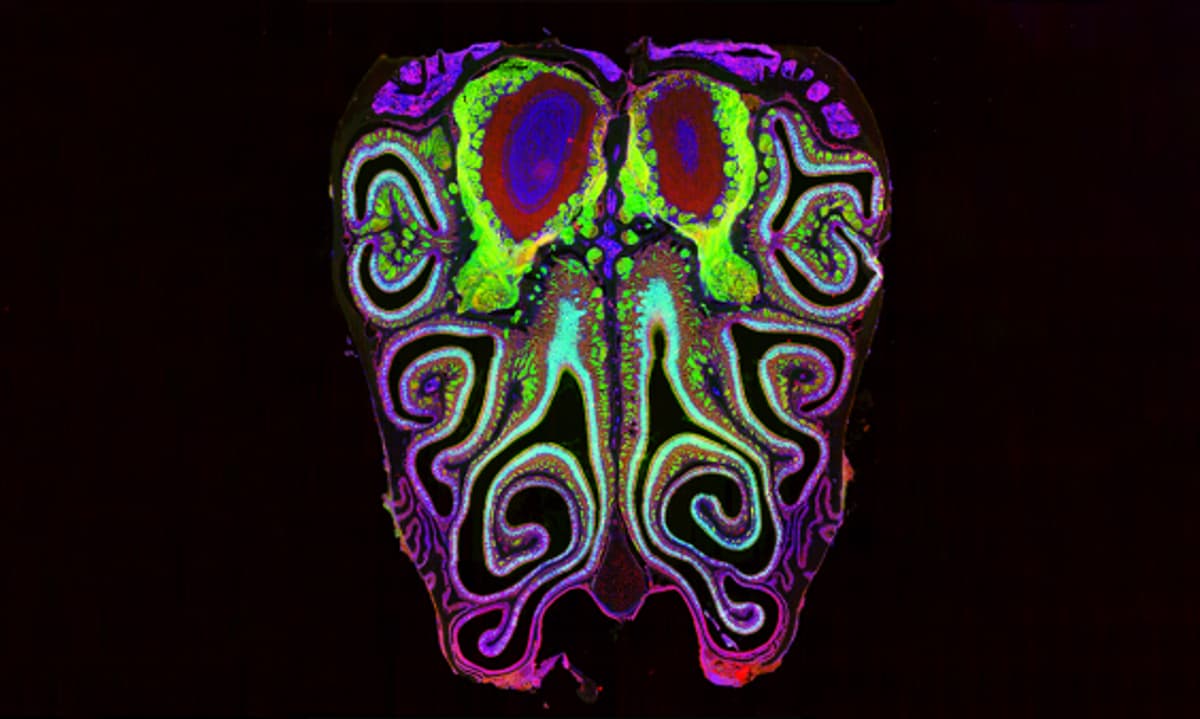
Where Brains Process Smell
Scientists have produced the first comprehensive map of smell receptors in mice, sequencing roughly 5.5 million olfactory neurons from over 300 animals. The data reveal that odor‑detecting cells are arranged in horizontal stripes across the nasal epithelium, mirroring a topographic map...
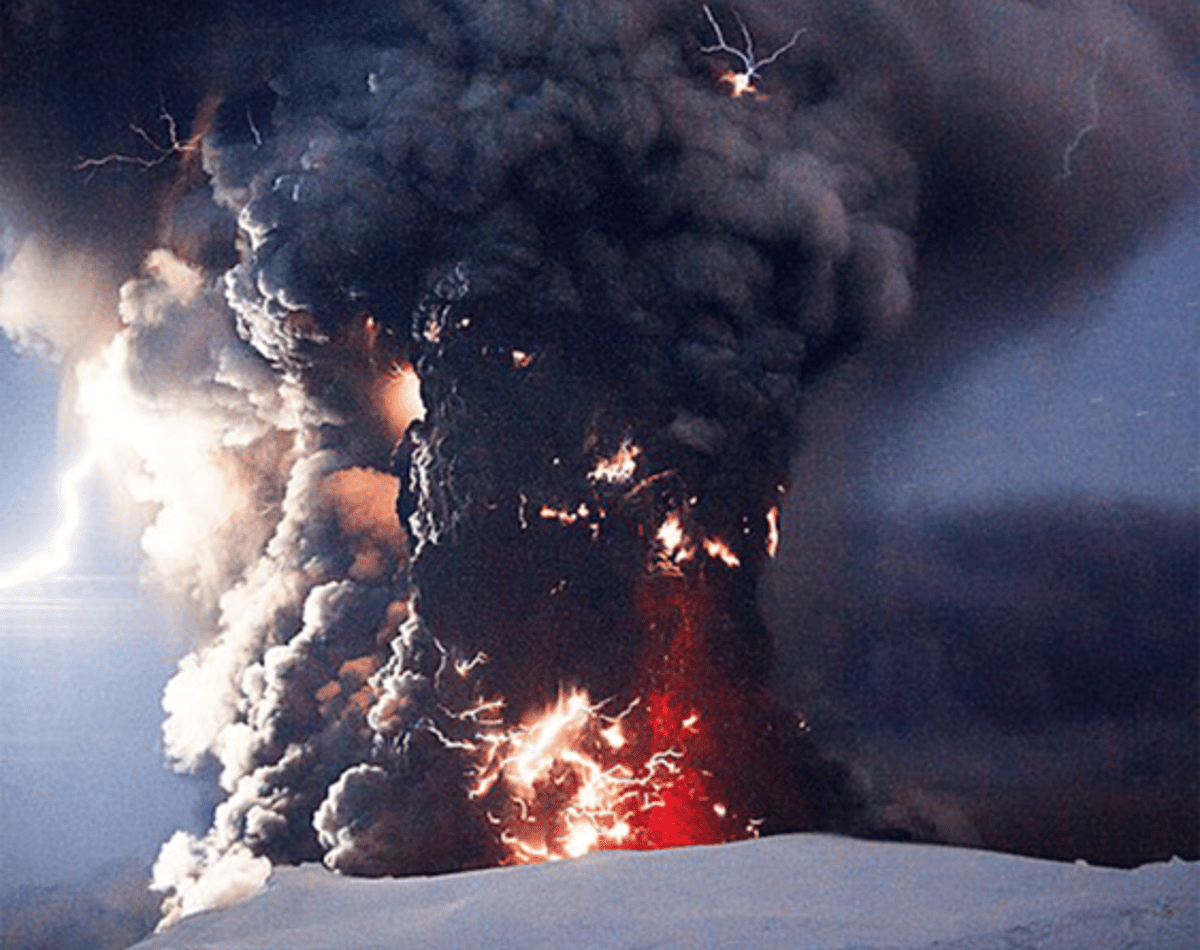
Why Volcanoes Sometimes Shoot Out Lightning
A recent *Nature* study explains why volcanic eruptions and sandstorms produce lightning. Researchers led by Scott Waitukaitis heated quartz grains and discovered that a thin carbon film on the particles, when stripped by heat, leaves the grains negatively charged. The...
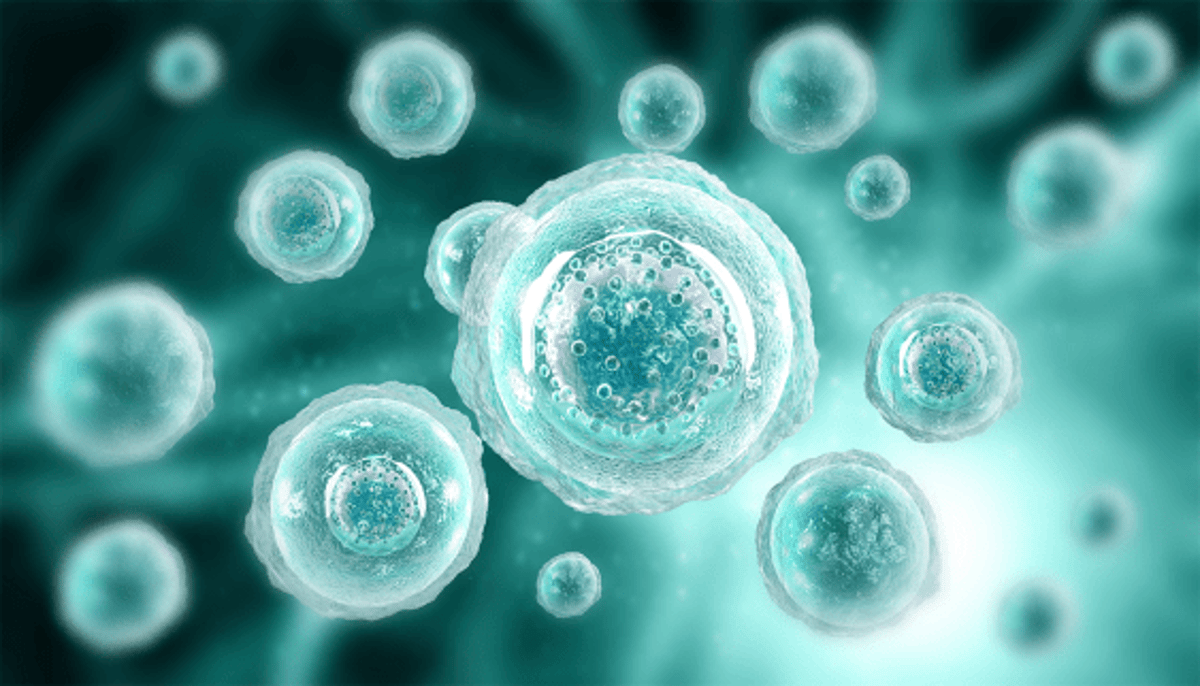
This New Model May Explain Why You’re Not a Twin
Rice University scientists have built a mathematical model that treats the selection of a single ovarian follicle during each menstrual cycle as a random event rather than a size‑based competition. The model ties the brief rise of follicle‑stimulating hormone (FSH)...

When “Extinct” Volcanoes Reawaken
New research challenges the conventional definition of extinct volcanoes by showing that Methane volcano in Greece experienced a 100,000‑year quiet interval while magma accumulated underground. The study, based on a 700,000‑year eruption record and 1,250 zircon crystal analyses, reveals water‑rich...

The Problem with Psychedelic Research
President Trump signed an executive order to speed the approval of psychedelic drugs for veterans with PTSD and depression, marking the first major regulatory push for these treatments. A new review of 24 studies compared psychedelics to open‑label antidepressants and...
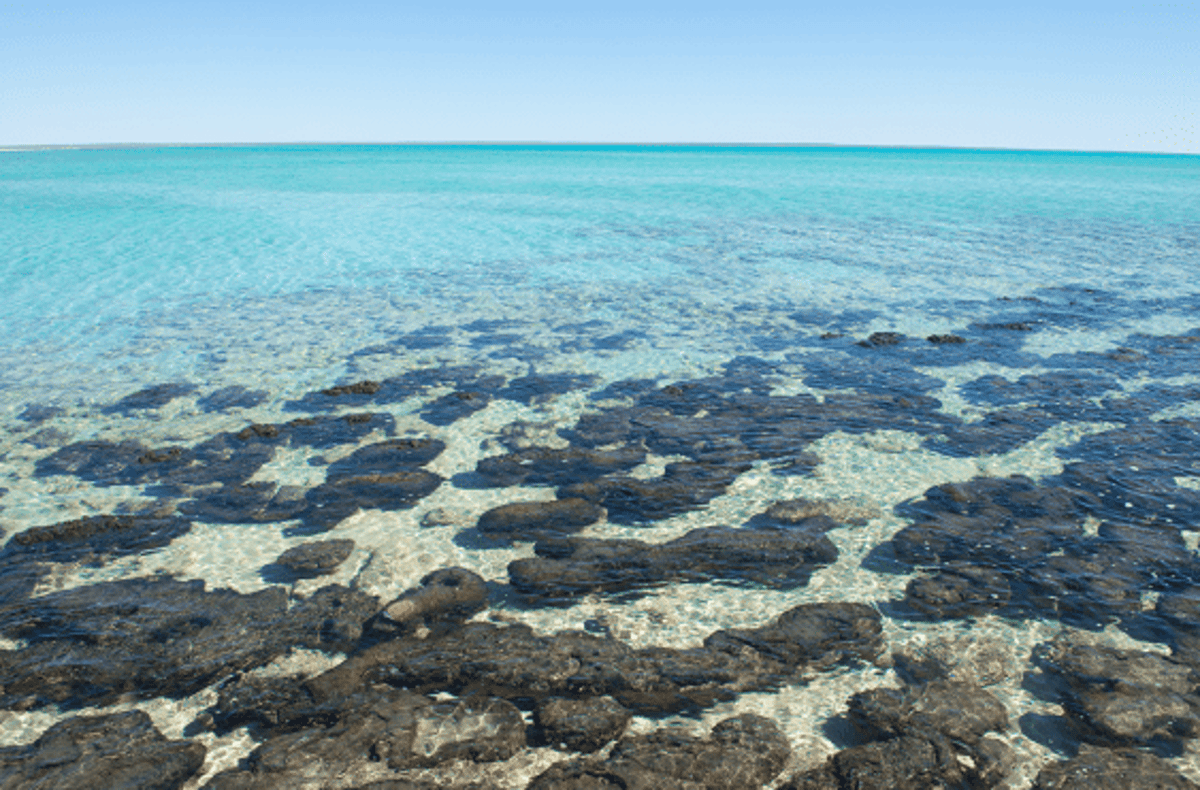
The Australian Rocks That House the Oldest Life-Forms on Earth
Researchers analyzing Shark Bay’s hypersaline stromatolites have identified a new Asgard archaeon, N. marumarumayae, that coexists with bacteria in ancient microbial mats. Using electron cryotomography, they visualized nanometer‑scale tubes linking the two organisms, enabling exchange of hydrogen, acetate, amino acids...
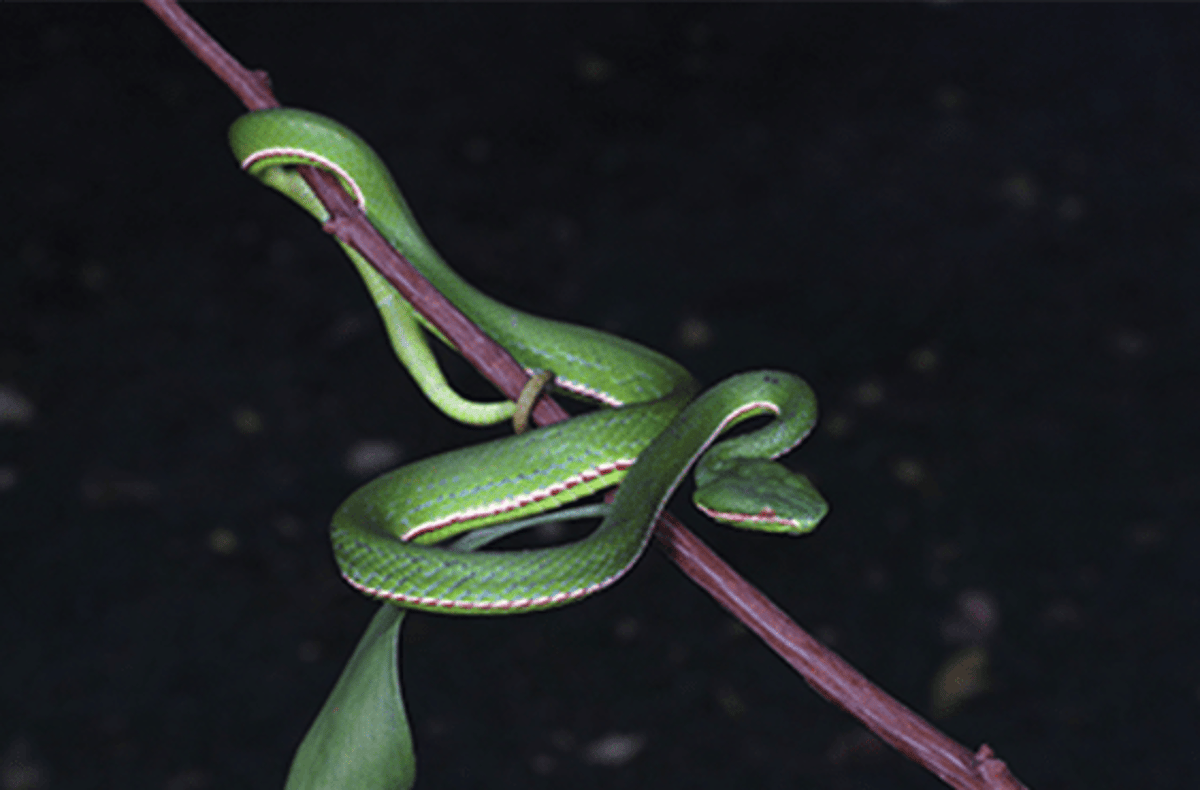
The New Pitviper Species Hidden in China’s Panda Park
Researchers from the Chengdu Institute of Biology have formally described a new green pitviper, Trimeresurus lii, in China’s Giant Panda National Park—an area roughly the size of Massachusetts. The snake, dubbed the Huaxi green pitviper, was long mistaken for the...
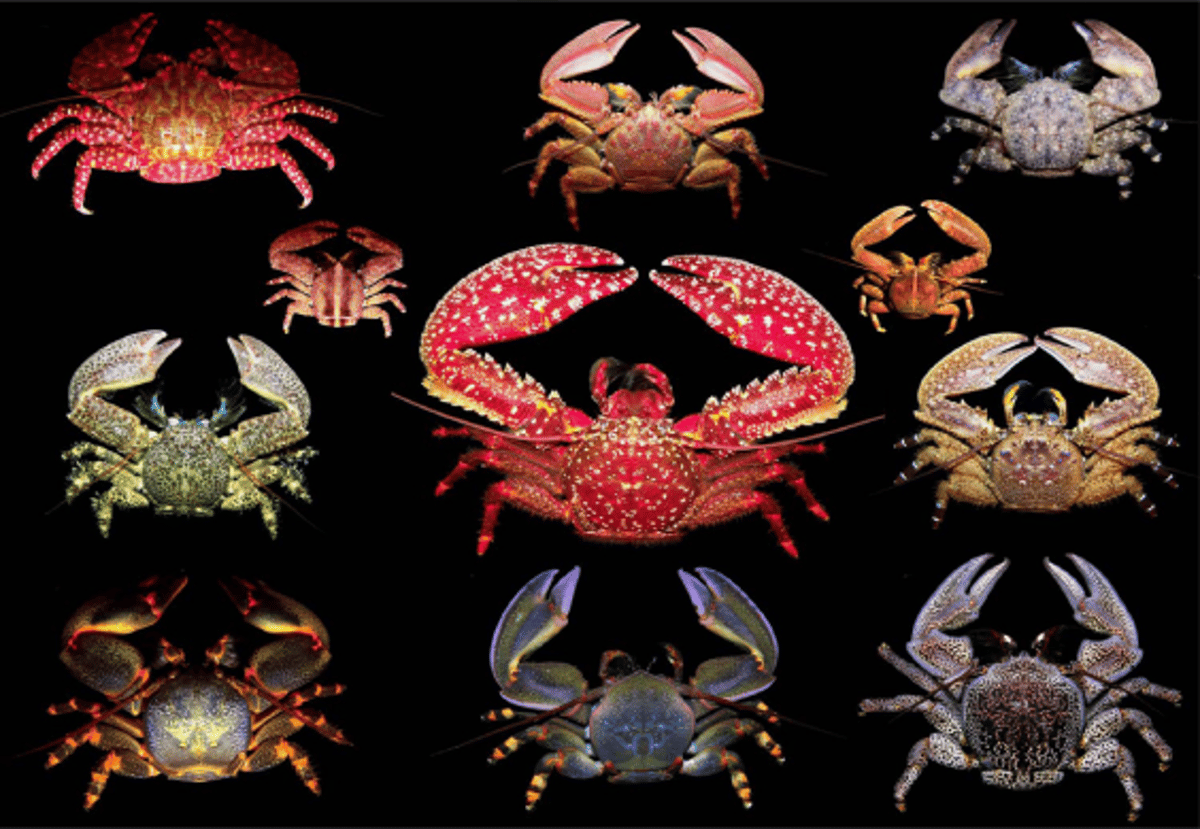
The Ancient Roots of the Crab Walk
A new eLife preprint reveals that sideways walking in true crabs (Brachyura) originated from a single evolutionary event about 200 million years ago, shortly after the Triassic‑Jurassic extinction. Researchers filmed 50 crab species in a circular arena, finding 35 moved sideways...

The Nautilus Reading List of Science Biographies
Nautilus has curated a reading list that transports readers through four centuries of scientific discovery via biography. The list spotlights Dava Sobel’s *Galileo’s Daughter*, which frames the 16th‑century astronomer through the letters of his convent daughter, and Andrea Wulf’s *The...
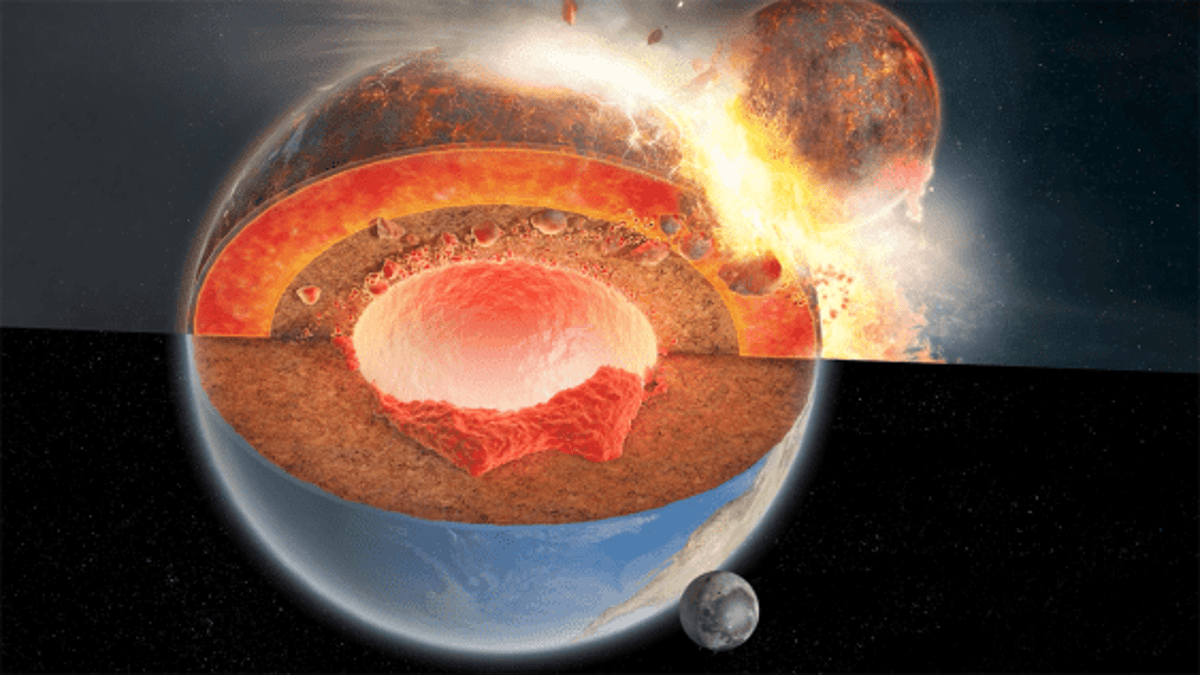
The Mystery of the Giant Blobs at the Center of the Earth
Scientists have identified two massive low‑shear velocity provinces (LLSVPs) in the Earth’s lower mantle—one beneath Africa and another under the Pacific. These continent‑sized blobs slow seismic shear waves but do not diminish their amplitude, a puzzling characteristic revealed by modern...
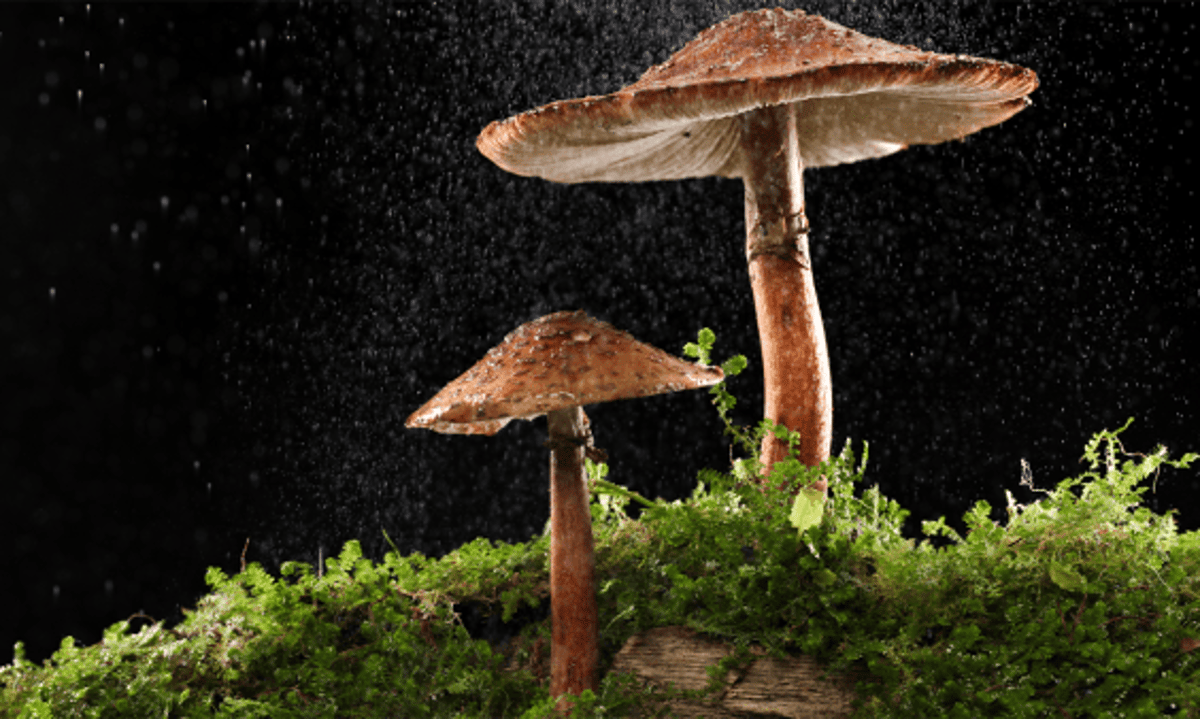
Mushrooms Stole a Trick From Bacteria. It Could Help Us Control the Weather
Researchers at Virginia Tech have identified a fungus in the Mortierellaceae family that carries a bacterial‑derived ice‑nucleating protein, enabling it to trigger ice formation at relatively warm temperatures. The fungal protein is smaller, water‑soluble, and not membrane‑bound, distinguishing it from...
The Ghost of Microgravity in Astronauts’ Brains
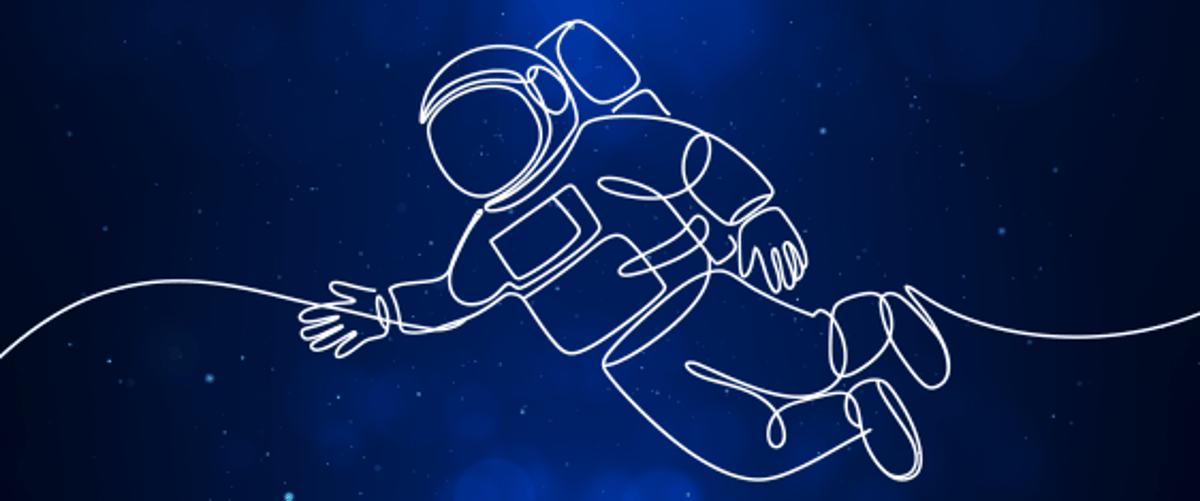
Human brains can rapidly adapt to the absence of gravity, but the transition reveals striking changes in balance and grip control. Astronaut Christina Koch demonstrated reliance on vision for stability after ten days in microgravity, while a new Journal of...

Defending Our Consciousness Against the Algorithms
Influencers on Instagram have launched a viral “do nothing” challenge, urging participants to embrace boredom to stimulate the brain’s default mode network. The article argues that constant scrolling hands over attention to social‑media algorithms, shrinking the mental space for spontaneous...

How Lonely Walks in Nature Can Make You Feel Less Alone
A recent study in *Health & Place* surveyed residents around Norway’s Mjøsa lake and found that solo outdoor activities, especially those that foster a sense of belonging to nature, are linked to lower loneliness. Participants who regularly walked by the...
Arachnophobes Beware: Tarantulas Are Way Smarter Than You Think
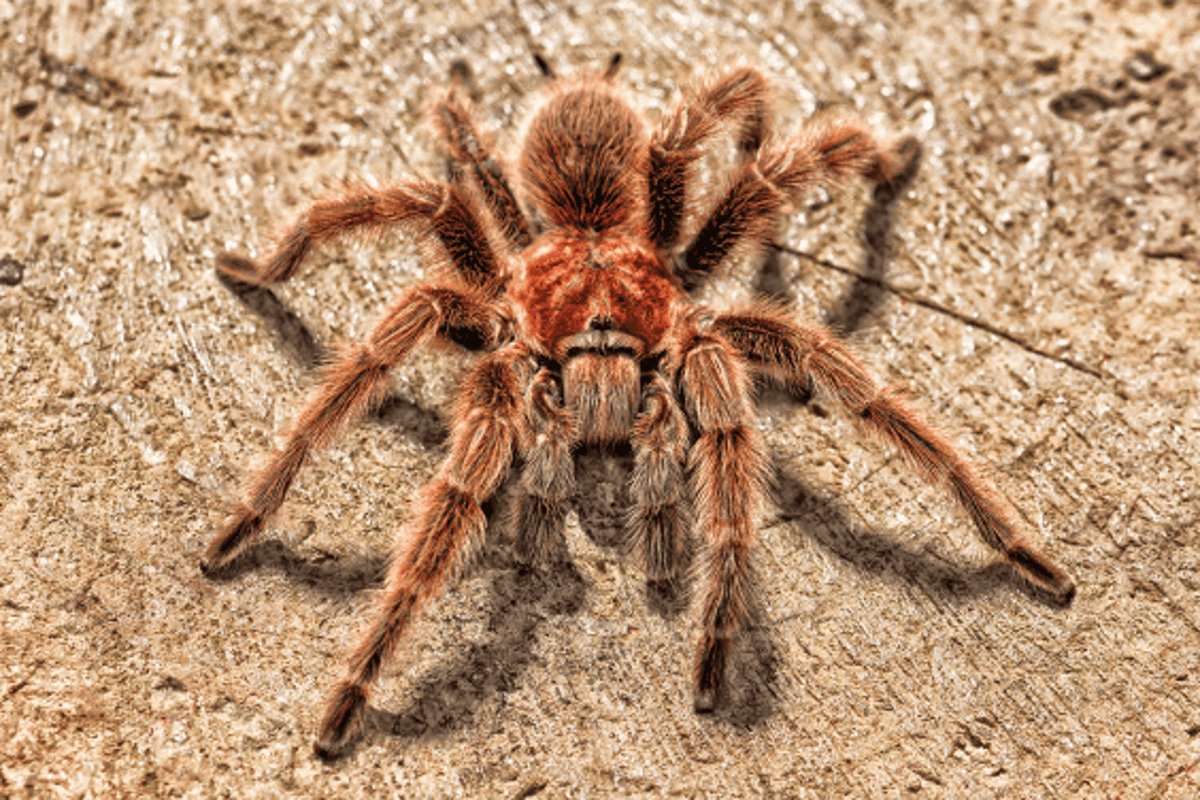
A new University of Turku study documents wild tarantulas using learned spatial cues to navigate back to their retreats after foraging. Researchers observed three species—Avicularia avicularia, Aphonopelma iodius, and Bonnetina cf. cyaneifemur—making direct, purpose‑driven routes spanning six feet or more....

An Ancient Mummy’s Tooth Could Rewrite Script of Scarlet Fever in the New World
Researchers analyzing a 13th‑century Bolivian mummy’s tooth recovered a complete genome of *Streptococcus pyogenes*, the bacterium that causes scarlet fever. The DNA shows the pathogen was present in Indigenous populations centuries before European contact, contradicting the long‑held belief that scarlet...

The New Science of the Near-Death Experience
A new study led by Belgian neuroscientist Charlotte Martial recorded the first EEG data from patients undergoing near‑death experiences (NDEs). Among 180 resuscitated patients, 12 reported NDEs and showed markedly higher brain‑complexity measures than those who did not. The research...
Oldest Reptile Mummy Sheds Light on the Ancient Art of Breathing
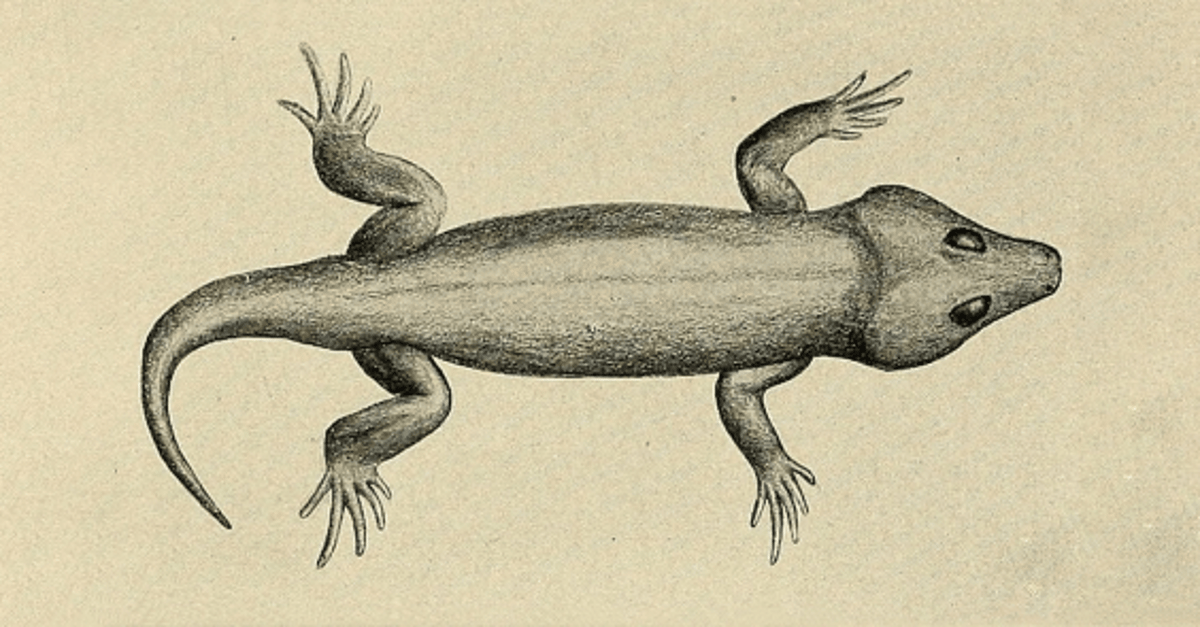
Paleontologists from the University of Toronto have described a 289‑million‑year‑old mummified reptile, *Captorhinus*, that possesses the oldest known costal (rib‑assisted) breathing system in a vertebrate. The fossil, recovered from an Oklahoma cave, retained bone, skin, cartilage and even protein fragments,...
The Coming Psychedelic Holiday
Swiss chemist Albert Hofmann first synthesized LSD in 1938, but only in April 1943 did he discover its powerful mind‑altering effects after accidentally absorbing the compound and then intentionally ingesting 0.25 mg. The resulting vivid hallucinations during a bicycle ride through...

Can the Brain Survive Cryonic Sleep?
German researchers at Friedrich‑Alexander University have vitrified mouse brain slices, flash‑freezing them into a glass‑like state without ice crystals. After thawing, the neurons resumed action potentials, demonstrating that functional excitability survives complete molecular arrest. The study, published in PNAS, shows...

Watch These Birds Use Their Tongues to Suck Up Nectar
Researchers publishing in *Current Biology* have shown that sunbirds use a V‑shaped groove in their long tongues to create an airtight seal and suction nectar, making them the first vertebrates documented to feed via a straw‑like mechanism. High‑speed cameras and...