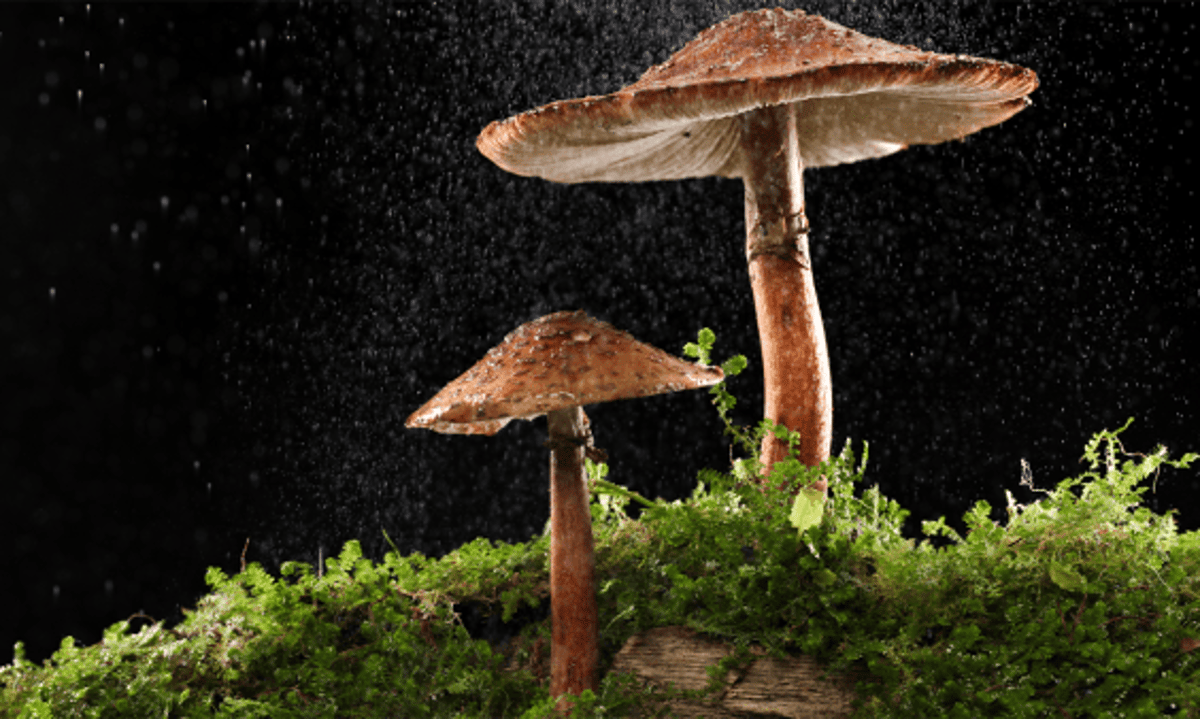
Mushrooms Stole a Trick From Bacteria. It Could Help Us Control the Weather
Companies Mentioned
Why It Matters
If fungal ice‑nucleating proteins can be harnessed, they could make weather‑modification techniques safer and more environmentally friendly, while reshaping our understanding of natural climate influencers.
Key Takeaways
- •Fungi borrowed ice‑nucleating gene from bacteria via horizontal transfer
- •Fungal protein is smaller, water‑soluble, and membrane‑free
- •Potential to replace toxic silver iodide in cloud‑seeding applications
- •Researchers suspect fungi’s atmospheric role is currently underestimated
Pulse Analysis
The discovery that certain Mortierellaceae fungi possess a bacterial‑derived ice‑nucleating protein reshapes our view of biogenic influences on weather. Horizontal gene transfer—once thought rare between bacteria and fungi—has equipped these mushrooms with a protein that initiates ice crystal formation at temperatures higher than pure water would allow. This capability mirrors the well‑studied Pseudomonas syringae, but the fungal version’s compact, soluble structure may make it more active in the thin, cold layers of clouds where traditional nucleators struggle.
Beyond scientific curiosity, the fungal protein offers a compelling alternative for cloud‑seeding, a practice traditionally reliant on silver iodide, a compound with environmental and health concerns. Because the protein is biodegradable and can be produced biologically, it promises a greener, potentially cheaper method to stimulate precipitation. If scaled efficiently, it could aid drought‑stricken regions, improve agricultural yields, and reduce reliance on chemically intensive weather‑modification techniques.
Realizing this potential faces hurdles: mass‑production of the protein must be cost‑effective, and regulatory frameworks will need to address the ethical implications of engineered rain. Moreover, the exact magnitude of fungi’s natural contribution to atmospheric ice nucleation remains uncertain, demanding field studies and climate modeling. Nonetheless, the research opens a new frontier where microbiology intersects with climate engineering, offering both scientific insight and a pathway to more sustainable weather‑control technologies.
Mushrooms Stole a Trick From Bacteria. It Could Help Us Control the Weather
Comments
Want to join the conversation?
Loading comments...