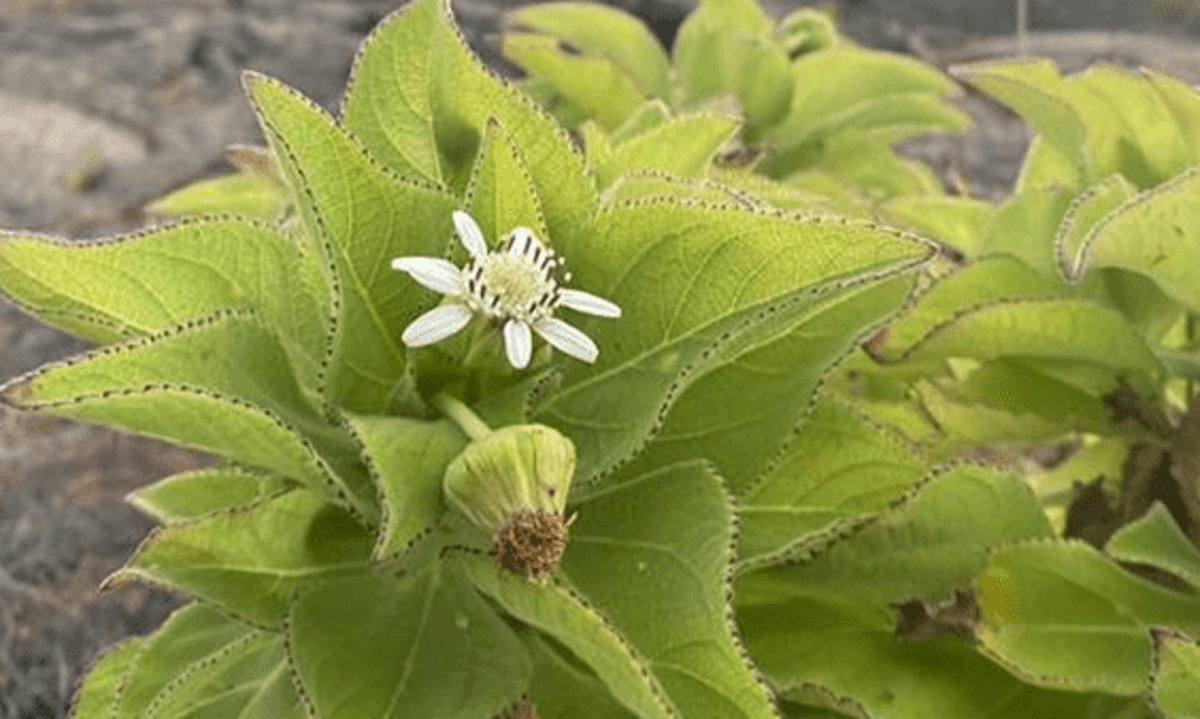
Why It Matters
The findings reshape our understanding of how complex traits can arise through multiple genetic routes, offering fresh insight into adaptive radiation and speciation dynamics in island ecosystems. This knowledge informs both evolutionary theory and conservation strategies for fragile island biotas.
Key Takeaways
- •Scalesia diversified into shrubs, trees, and varied leaf forms.
- •Leaf lobes evolved via different genes across species.
- •Study shows parallel evolution without a single master gene.
- •Genetic isolation suggests ongoing speciation within Scalesia.
- •Findings highlight Galápagos as a rapid evolution laboratory.
Pulse Analysis
The Galápagos archipelago has long served as a natural laboratory for studying adaptive radiation, most famously through Darwin’s finches. The recent discovery that the plant genus Scalesia underwent a similarly swift diversification adds a critical botanical dimension to this narrative. Within a million years, Scalesia colonized a spectrum of habitats—from humid cloud forests to arid lowlands—producing a mosaic of growth forms that mirrors the ecological partitioning seen in animal lineages. This rapid plant radiation underscores the islands’ capacity to generate biodiversity across kingdoms, challenging the notion that such processes are confined to fauna.
What makes the Scalesia case especially compelling is the evidence of parallel evolution at the genetic level. While the leaf lobes that improve cooling and reduce water loss appear morphologically similar across species, genomic analyses reveal that each lineage recruited distinct genes within the leaf‑development network. This decentralized genetic architecture refutes the classic "master gene" model and suggests that evolutionary innovation can arise from flexible rewiring of existing pathways. For evolutionary biologists and geneticists, the study provides a concrete example of how developmental plasticity can fuel convergent phenotypes, offering a template for investigating similar patterns in other rapid radiations.
The research also highlights that Scalesia’s diversification is not a closed chapter. Significant genetic divergence among isolated populations points to incipient speciation, implying that the archipelago continues to generate new lineages. From a conservation perspective, recognizing these nascent species is vital for preserving the evolutionary potential of the islands’ flora. Moreover, the findings encourage a broader application of genomic tools to monitor ongoing speciation events, reinforcing the Galápagos’ role as a living laboratory for evolutionary science.
The Rapid Evolution of Giant Daisies
Comments
Want to join the conversation?
Loading comments...