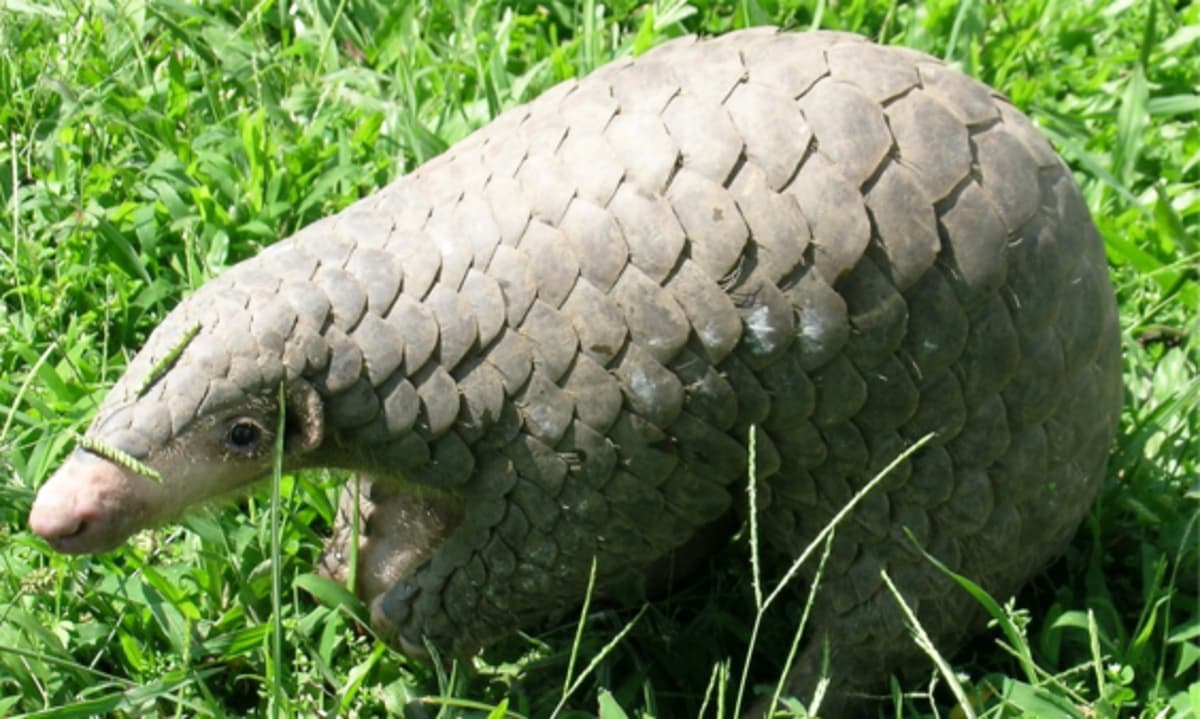
Why It Matters
By pinpointing geographic origins and exposing a shared supply chain, the study equips law‑enforcement and conservation groups with actionable intelligence to disrupt transnational pangolin trafficking and protect the most heavily poached mammal.
Key Takeaways
- •DNA sequencing traced pangolin origins to Myanmar, Cameroon, and African sites
- •Study linked local markets to international trafficking networks
- •Over 700 samples yielded 671 gene loci for a reference map
- •Museum specimens enabled coverage of otherwise inaccessible regions
- •Findings support coordinated cross‑border anti‑poaching strategies
Pulse Analysis
The illegal wildlife trade remains one of the most lucrative black markets, and pangolins sit at its apex. Leveraging advances in conservation genetics, the new PLOS Biology paper demonstrates how low‑quality DNA from museum skins, seized bushmeat and field collections can be transformed into a high‑resolution geographic fingerprint. By capturing 671 loci across more than 700 specimens, the researchers built the most comprehensive pangolin reference database to date, proving that even fragmented, degraded samples can illuminate trade pathways that were previously invisible.
Mapping the genetic signatures back to their source revealed clear hotspots: southwest Myanmar for the Sunda species, Cameroon for the white‑bellied, and several other African locales for the Chinese pangolin. Crucially, the study showed that domestic vendors and international smugglers draw from the same extraction points, indicating a single, interconnected supply chain rather than isolated markets. This insight reshapes enforcement priorities, suggesting that interventions at the source—such as community outreach, anti‑poaching patrols, and targeted seizures—could simultaneously blunt both local consumption and global trafficking.
Beyond immediate law‑enforcement applications, the research underscores a paradigm shift in wildlife forensics. Integrating archival museum material expands geographic coverage without the need for fresh field sampling, a boon for species that are elusive or already depleted. Policymakers can now base CITES listings, trade bans, and funding allocations on concrete genetic evidence rather than anecdote. As DNA sequencing becomes more affordable, similar approaches could be replicated for other high‑risk taxa, fostering a data‑driven arsenal against biodiversity loss.
Mapping the Illegal Wildlife Trade Using Pangolin DNA
Comments
Want to join the conversation?
Loading comments...