When a Species’ Survival Hinges on Every Single Embryo
Why It Matters
Public endorsement of costly ART research could unlock the financing needed to prevent the loss of a iconic megafauna species, while also shaping policy on high‑tech conservation tools.
Key Takeaways
- •39 embryos created using frozen sperm and extracted eggs
- •Only two viable female rhinos remain, both reproductively limited
- •Over 70% EU respondents support public funding for ART research
- •Traditional protection favored, but high-tech methods gain majority backing
- •Surrogacy attempts with southern white rhinos have yet to succeed
Pulse Analysis
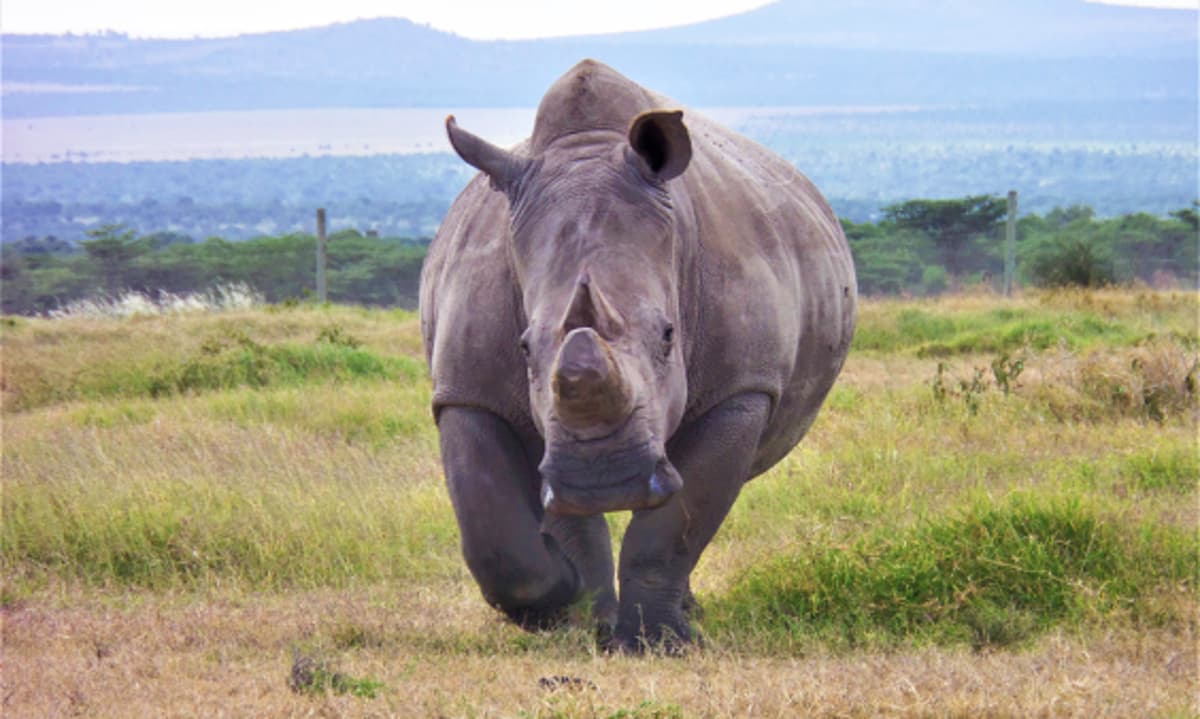
The northern white rhino (Ceratotherium simum cottoni) teeters on the brink of total extinction after the death of the last male in 2018. BioRescue, an international consortium, has pushed the limits of reproductive science, extracting oocytes from the remaining female, Fatu, and fertilizing them with frozen sperm from deceased males. To date, 39 embryos have been cultured, yet transferring them to surrogate southern white rhinos has not produced a viable birth, underscoring the technical hurdles that still separate laboratory success from a living calf.
Parallel to the scientific race, a cross‑national survey in Germany, Italy and the Czech Republic gauged public sentiment on using assisted‑reproductive technologies for biodiversity rescue. While respondents still favored classic conservation tools such as protected areas, a decisive majority—over 70%—agreed that governments should allocate public funds to advanced ART research. This dual preference signals a pragmatic mindset: citizens recognize the urgency of extinction crises and are willing to back innovative, high‑cost interventions when paired with conventional strategies.
The findings have broader implications for global conservation policy. As climate change and habitat loss accelerate species declines, ART could become a standard component of recovery plans, but it also raises ethical questions about animal welfare and the manipulation of natural processes. Robust public support, as demonstrated in the EU sample, may ease the political pathway for substantial investments, yet successful implementation will require integrating high‑tech solutions with habitat protection, anti‑poaching measures, and community engagement to ensure that rescued species have a sustainable future in the wild.
When a Species’ Survival Hinges on Every Single Embryo
Comments
Want to join the conversation?
Loading comments...