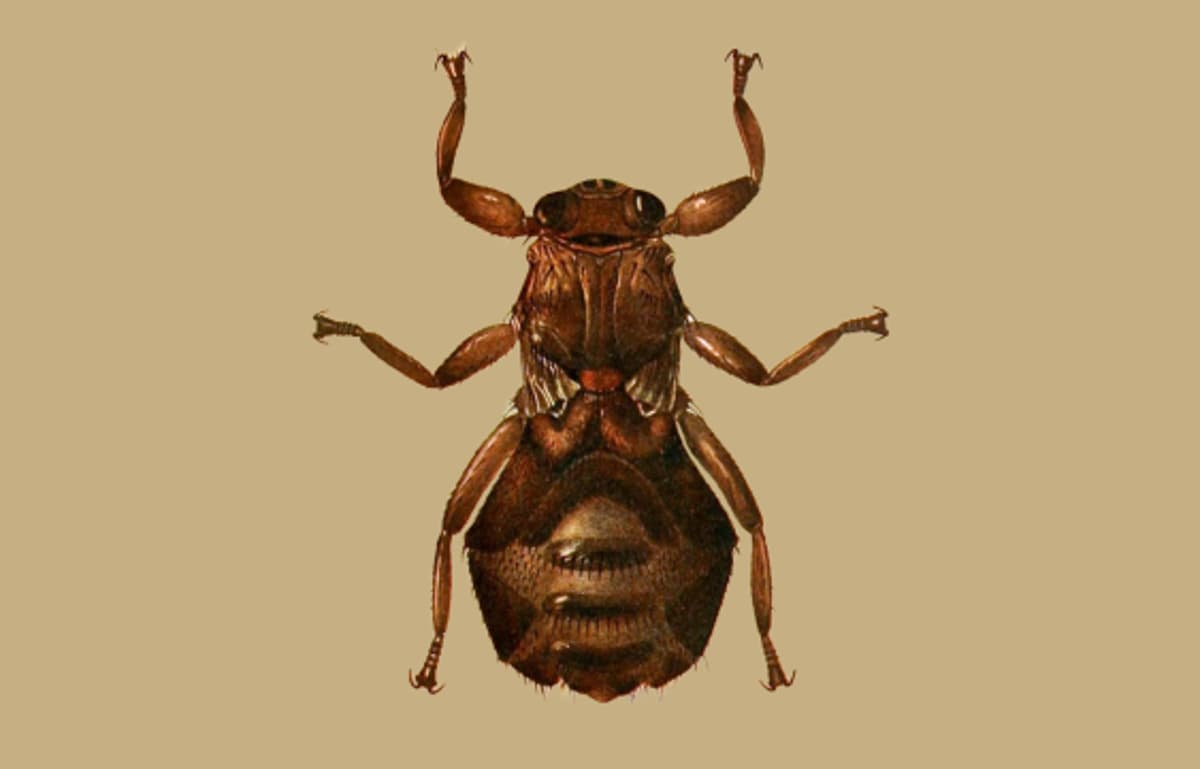
This Blood-Sucking Fly Drastically Transforms When It Finds Its Prey
Why It Matters
Understanding how parasites reallocate resources after host attachment can inform control strategies and sheds light on evolutionary trade‑offs in sensory systems.
Key Takeaways
- •Opsin gene expression drops ~50% after host attachment.
- •Vision reduction frees energy for digestion and reproduction.
- •Study used RNA sequencing of brain tissue from Italian keds.
- •Findings illustrate rapid sensory shift between free‑flying and parasitic phases.
- •Insight may aid development of targeted interventions against blood‑feeding flies.
Pulse Analysis
Deer keds (Lipoptena andaluciensis) are obligate blood‑feeding ectoparasites that spend the first part of their life hunting for a host before shedding their wings and living permanently on the animal’s hide. In a paper released today in the Journal of Experimental Biology, researchers from Aberystwyth University and Italian collaborators captured winged keds from vegetation and host‑bound keds from freshly hunted deer in Tuscany. By extracting RNA from the insects’ heads and sequencing brain tissue, they quantified the activity of five opsin genes that mediate vision, revealing a striking drop in expression once the flies settled on a host.
The halving of opsin transcription points to a deliberate reallocation of metabolic resources. Vision is an energetically costly sense, and after a ked secures a blood meal, the selective pressure to locate another host evaporates. The study authors propose that the parasite redirects ATP and amino acids toward digestive enzymes, egg production, and other physiological processes essential for a sedentary lifestyle. This trade‑off mirrors broader evolutionary patterns where organisms down‑regulate unnecessary functions to maximize fitness under new environmental constraints.
Beyond basic science, the findings have practical implications for managing deer‑associated pests. If sensory pathways can be suppressed or manipulated, it may be possible to disrupt host‑finding behavior or accelerate the transition to the wingless stage, reducing the window for transmission of pathogens carried by keds. Moreover, the work adds to a growing body of literature on phenotypic plasticity in parasites, offering comparative insights for other blood‑feeding insects such as tsetse flies and sandflies. Future research could explore the genetic triggers that initiate the sensory switch and test whether similar mechanisms operate in related species.
This Blood-Sucking Fly Drastically Transforms When It Finds Its Prey
Comments
Want to join the conversation?
Loading comments...