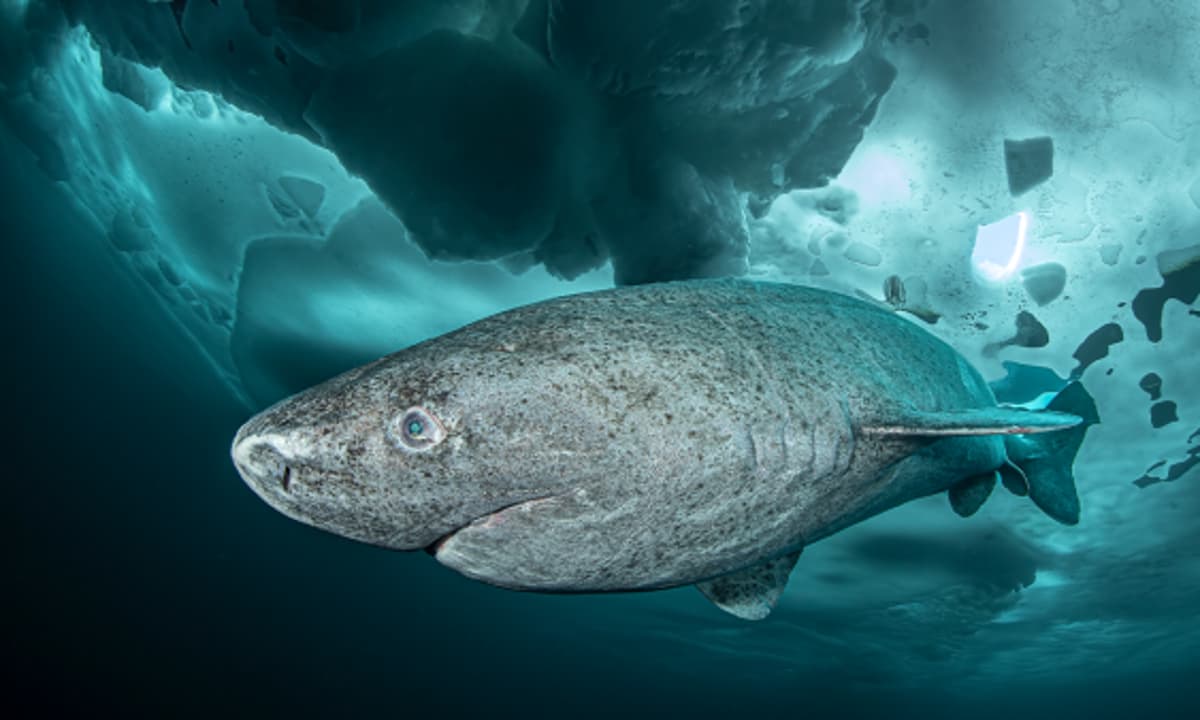
The Genetic Secrets of a Shark That Lives for 500 Years
Why It Matters
The discovery offers a new blueprint for cancer‑resistance and aging research, showing that longevity can arise from genome‑wide trade‑offs rather than isolated genes. It positions the Greenland shark as a natural model for developing anti‑cancer and anti‑aging strategies.
Key Takeaways
- •Greenland shark lives up to 500 years, longest vertebrate lifespan
- •Genome lacks H2AC20 and HSPA8 genes linked to longevity
- •Expanded immune and ferroptosis gene sets may suppress tumors
- •Low metabolic rate suggests ‘low‑maintenance‑cost’ longevity strategy
- •Findings could inform human anti‑cancer and aging research
Pulse Analysis
Peto’s paradox has long puzzled biologists: larger animals with more cells don’t suffer proportionally higher cancer rates. Elephants, whales, and now the Greenland shark—capable of living half a millennium—challenge the conventional view that sheer cell number dictates tumor risk. By sequencing the shark’s expansive genome, scientists uncovered a paradox within a paradox: the animal lacks two gene families, H2AC20 and HSPA8, traditionally associated with DNA repair and protein folding, yet it thrives in the frigid Arctic depths. This counterintuitive loss points to an evolutionary shift toward metabolic frugality rather than genomic redundancy.
The research highlights a multi‑layered genetic defense system. An unusually rich set of immune‑regulation genes, coupled with heightened ferroptosis pathways—a form of programmed cell death that eliminates damaged cells—suggests the shark employs robust tumor‑suppressing mechanisms. Its sluggish metabolic rate reduces oxidative stress, allowing cellular components to persist longer without accruing damage. Together, these traits form a "low‑maintenance‑cost" longevity strategy, where stability is prioritized over the energetic expense of constant genomic surveillance.
For biotech and medical science, the Greenland shark offers a living laboratory for novel anti‑cancer and anti‑aging approaches. Understanding how reduced expression of H2AC20 and HSPA8 can coexist with enhanced immune vigilance may inspire gene‑editing or drug‑development pathways that mimic these trade‑offs in humans. Moreover, the shark’s ferroptosis‑centric tumor suppression could guide new therapies that trigger this cell‑death route in resistant cancers. As comparative genomics expands, the Arctic predator’s genome may become a cornerstone for translating extreme natural longevity into human health breakthroughs.
The Genetic Secrets of a Shark That Lives for 500 Years
Comments
Want to join the conversation?
Loading comments...