Building over Stations: Urban Density Drives Engineering Ingenuity
Key Takeaways
- •Overstation projects boost usable floor area up to fivefold
- •Advanced geotechnical analysis enables construction over live rail lines
- •BIM and DfMA reduce site time and improve safety
- •Vibration isolation bearings critical for London underground developments
- •Early crane strategy integration de‑risks complex construction sequencing
Pulse Analysis
Cities facing soaring populations and limited ground space are turning to the air above train stations as a new frontier for development. By stacking commercial and mixed‑use towers directly over operational rail corridors, developers can multiply usable floor area without encroaching on scarce land. This approach not only meets demand for larger, column‑free floorplates but also aligns with sustainability goals, as it leverages existing transport hubs and reduces the need for new infrastructure corridors.
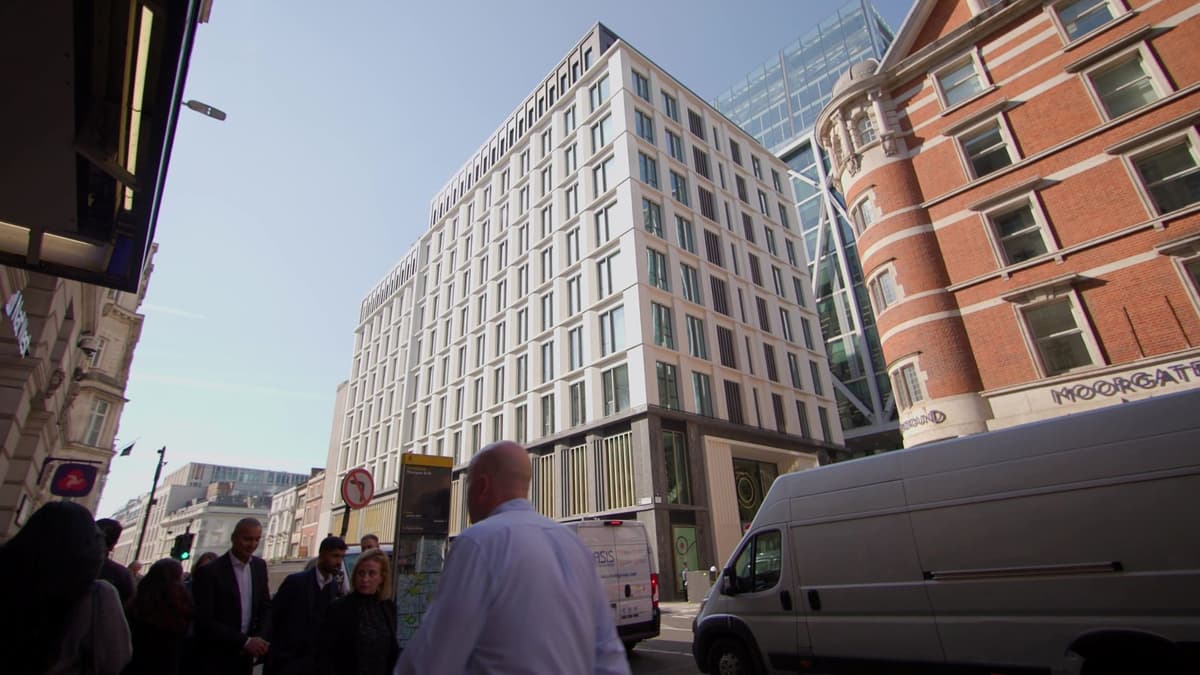
The engineering complexity of building over live rail lines has been tamed through a suite of modern tools. High‑resolution geotechnical modelling and advanced structural analysis allow engineers to assess existing foundations and design transfer structures that safely redistribute loads. Vibration mitigation—using isolation bearings and stiffened floor slabs—protects occupants from underground train noise, a critical concern in London’s dense network. Digital platforms such as BIM integrate 3‑D asset data, point‑cloud scans, and construction sequencing, while Design for Manufacture and Assembly (DfMA) shifts much of the build off‑site, cutting on‑site time and enhancing safety. The 101 Moorgate project exemplifies these practices, combining prefabricated trusses, precast facades, and targeted vibration controls.
Looking ahead, overstation developments are poised to proliferate over the next decade as urban policy favors brownfield regeneration and transport‑oriented growth. Continued investment in digital engineering, early stakeholder collaboration, and refined DfMA processes will lower risk and cost barriers. Yet challenges remain: high upfront capital, stringent performance standards, and complex regulatory approvals can extend programmes. Despite these hurdles, the ability to build upward where ground space is exhausted positions overstation projects as a cornerstone of resilient, space‑efficient cities.
Building over stations: urban density drives engineering ingenuity
Comments
Want to join the conversation?