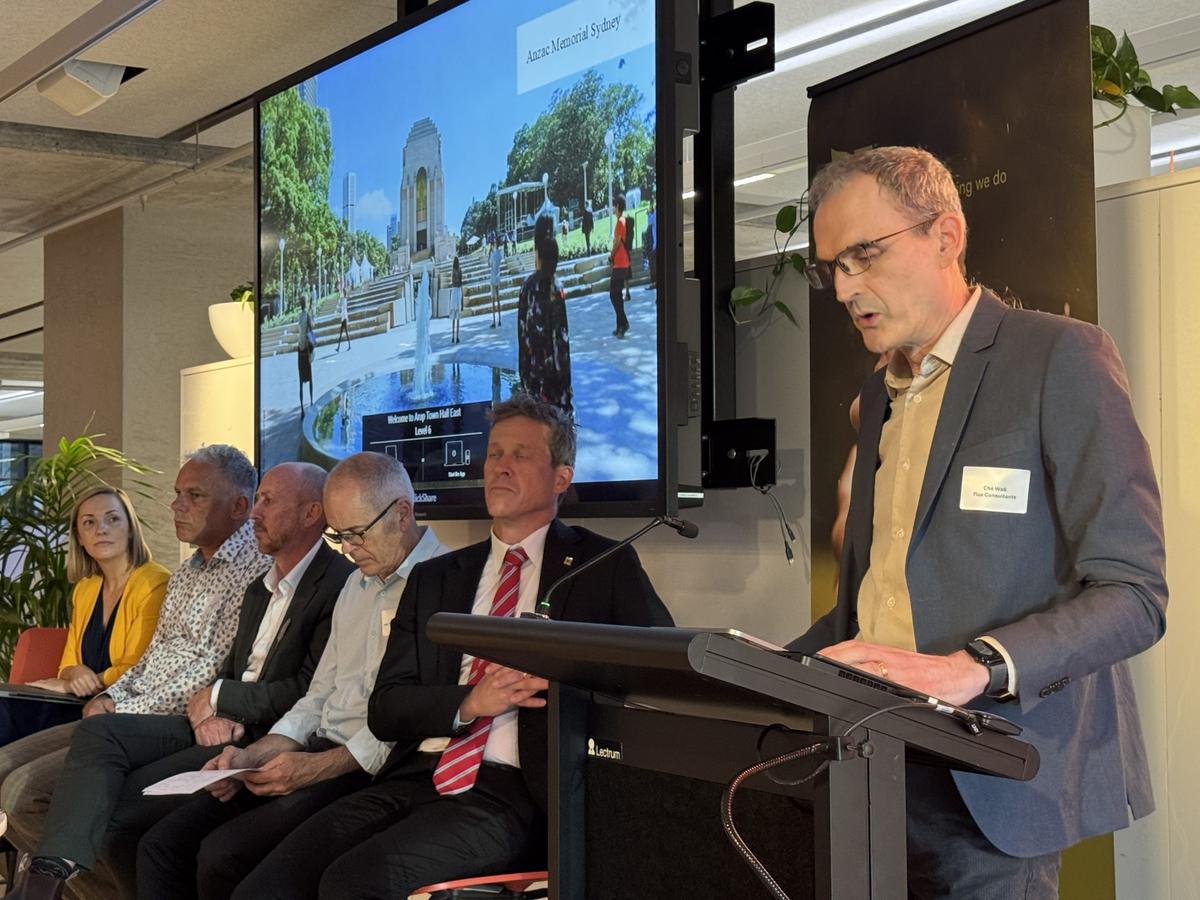
Codes Red Debate: The Deep Criticisms and Responses
Key Takeaways
- •NatHERS ratings linked to 12% higher energy costs in Brisbane homes
- •Studies show high‑star homes overheat more than 1950s constructions
- •Over‑sealing increases lifecycle costs by 24% and raises mould risk
- •Green Star and GRESB ratings lack correlation with actual emissions
- •CSIRO proposes updated climate files and tighter airtightness modeling
Pulse Analysis
The debate over Australia’s building‑rating tools reflects a broader tension between legacy certification schemes and the urgent need for climate‑responsive design. NatHERS, Green Star and GRESB were originally conceived as consumer‑facing checklists, yet a growing body of peer‑reviewed research shows that higher star ratings often correlate with higher cooling demand, increased overheating risk, and even higher lifecycle costs. These findings expose a performance gap: the metrics used to award points do not reliably capture real‑world energy consumption or greenhouse‑gas reductions, leaving investors and regulators with a false sense of progress.
For policymakers, the implications are stark. The National Construction Code’s emphasis on insulation and airtightness, while beneficial for heating loads, can exacerbate summer heat stress and indoor air‑quality issues, especially in rapidly warming Australian cities. This misalignment threatens public‑health outcomes, inflates operating expenses for homeowners, and undermines Australia’s commitments under the 2023 COP agreement to achieve near‑zero‑emission, climate‑resilient buildings by 2030. Financial institutions and institutional investors, who increasingly demand transparent, data‑driven climate metrics, may find traditional star ratings insufficient for risk assessment and capital allocation.
Looking ahead, CSIRO’s development of projected climate files and the upcoming three‑stage plan to integrate measured airtightness into NatHERS assessments signal a potential pivot toward evidence‑based standards. Coupled with industry calls for faster innovation cycles, mandatory mechanical ventilation, and a shift away from offset‑heavy certification models, these steps could realign Australia’s building sector with genuine decarbonisation pathways. Embracing electrification, on‑site renewable generation, low‑GWP refrigerants, and supply‑chain emissions accounting will be essential to translate regulatory intent into measurable climate outcomes.
Codes Red Debate: The deep criticisms and responses
Comments
Want to join the conversation?