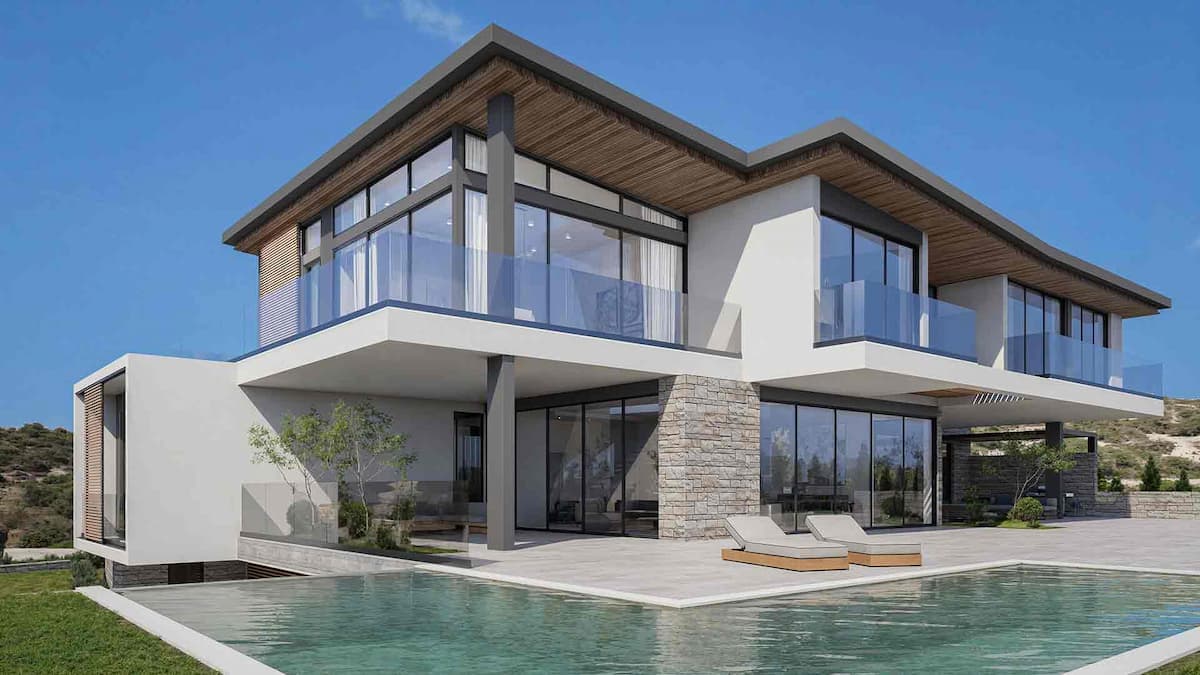
Designing for the Future: How Innovation Is Shaping Modern Architecture & Construction
Key Takeaways
- •Sustainability now core, reducing carbon footprints via materials and energy systems
- •BIM and digital tools cut errors, accelerate project timelines
- •Architect‑builder collaboration relies on shared platforms and real‑time data
- •Modular and adaptable designs extend building lifespan and ROI
- •High‑performance, recycled materials lower long‑term maintenance costs
Pulse Analysis
The architecture sector is responding to mounting pressure from regulators, investors, and end‑users to deliver greener built environments. In Europe and North America, building codes now mandate lower embodied carbon, prompting firms to prioritize renewable timber, recycled steel, and low‑energy façades. Early‑stage sustainability modeling allows developers to quantify emissions and lifecycle costs, turning environmental performance into a competitive differentiator. As cities adopt net‑zero targets, projects that embed circular material loops and on‑site renewable generation not only meet compliance but also attract premium tenants willing to pay higher rents for eco‑friendly spaces.
Digitalization is the catalyst that turns ambitious green goals into executable plans. Building Information Modeling (BIM) creates a shared, data‑rich model where architects, engineers, and contractors can clash‑detect, schedule, and cost‑estimate in real time, slashing rework by up to 30 % according to industry surveys. Complementary tools such as drone‑based site surveys and AI‑driven clash resolution accelerate the pre‑construction phase, while virtual reality walkthroughs enable clients to approve designs before a single brick is laid. The result is a tighter project schedule, reduced labor exposure, and clearer budgeting.
Collaboration platforms and modular construction methods are redefining how projects are delivered. Cloud‑based coordination hubs keep architects and builders aligned on design intent, material specifications, and zoning constraints, fostering a culture of continuous feedback. Meanwhile, prefabricated modules and movable partition systems give owners the flexibility to reconfigure spaces as market needs evolve, extending the functional lifespan of assets and improving return on investment. High‑performance composites and recycled aggregates further cut maintenance expenses, positioning firms that adopt these innovations at the forefront of a market that values resilience, adaptability, and long‑term cost efficiency.
Designing for the Future: How Innovation is Shaping Modern Architecture & Construction
Comments
Want to join the conversation?