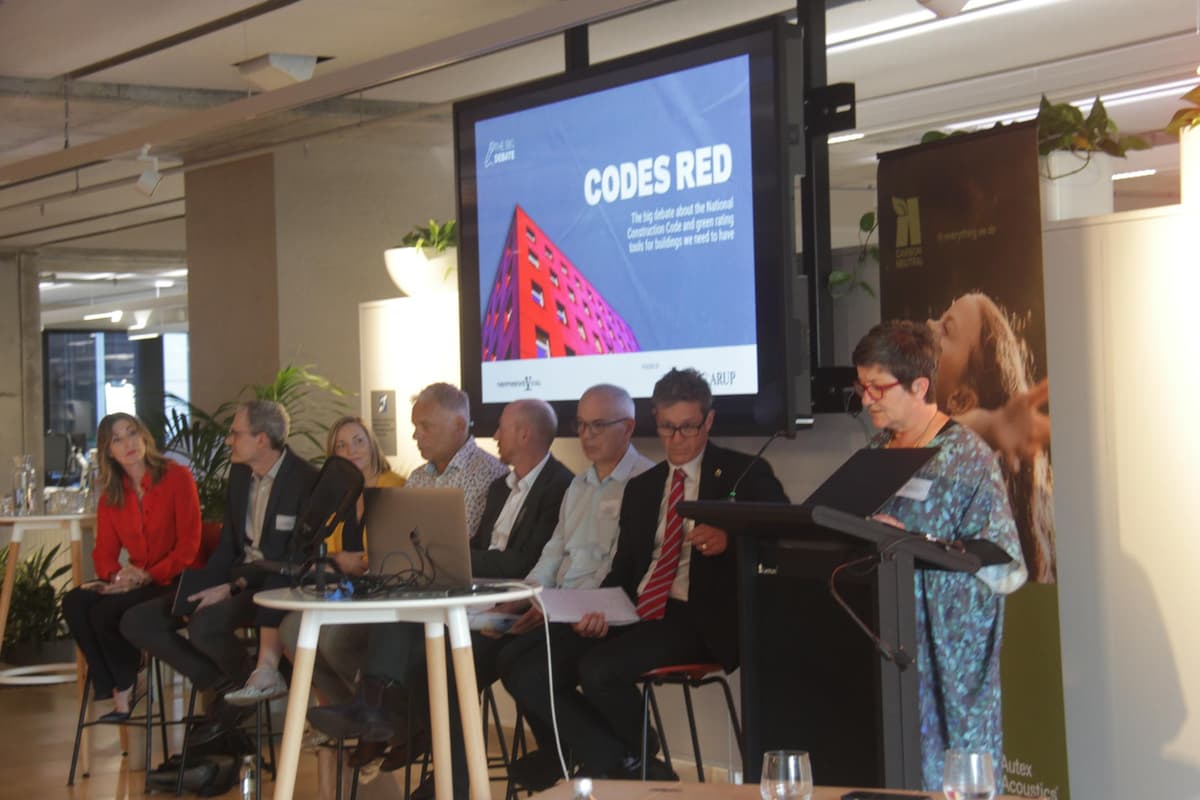
On: Are We Done yet with Voluntary and Relative Targets?
Key Takeaways
- •Voluntary rating tools yield incremental carbon cuts, not systemic change
- •Mandatory standards in Victoria and Canadian cities drive faster decarbonisation
- •UK’s unified Net Zero definition still considered low by engineers
- •Passive House option in Vancouver outperforms generic green‑star ratings
- •Industry‑controlled tools risk misalignment with climate urgency
Pulse Analysis
The Australian construction sector is at a crossroads, caught between well‑intentioned voluntary rating schemes and the need for enforceable carbon limits. While tools like Green Star and NABERS have demonstrated year‑on‑year energy savings, their relative‑performance framework allows developers to “win” by simply out‑performing peers rather than meeting absolute climate thresholds. This approach can create a false sense of progress, especially when the weighting of environmental outcomes—such as GRESB’s 6 percent—does not reflect the scale of the emissions challenge.
Internationally, jurisdictions are moving toward mandatory minimums that lock in absolute carbon budgets. The UK’s Net Zero Carbon Aligned Buildings framework, despite being deemed modest, sets clear targets for both embodied and operational emissions. Vancouver’s regulation forces new projects to adopt either super‑high‑performance standards or the Passive House model, effectively raising the baseline for all construction. These policies illustrate how binding standards, even at city level, can catalyse industry‑wide upgrades and provide certainty for investors and developers alike.
For Australia, the path forward likely involves a hybrid model: retaining flexible rating tools for innovation while introducing baseline mandatory requirements that align with national net‑zero commitments. Such standards could mirror Victoria’s gas‑ban or the emerging carbon‑budget caps in European cities, ensuring that every new build contributes to a measurable emissions trajectory. By shifting the focus from relative performance to absolute reductions, Australia can safeguard its reputation as a green‑building leader and attract capital seeking climate‑aligned assets. The urgency is clear—without stricter mandates, the building sector will struggle to meet the renewable‑energy constraints projected for the coming decades.
On: are we done yet with voluntary and relative targets?
Comments
Want to join the conversation?