UK Gets First Marketplace for Second-Hand Steel Bridges
Key Takeaways
- •Re-Bridge lists redundant UK steel bridge elements for resale.
- •Platform enables engineers to match existing spans to new projects.
- •Reused spans cut embodied carbon and material expenses.
- •Paris 2024 footbridge repurposed a 255‑tonne road span.
- •Tan House Footbridge showcases generative design using reclaimed steel.
Pulse Analysis
The construction sector is increasingly turning to circular‑economy models, and the launch of Re‑Bridge marks the first dedicated digital marketplace for second‑hand steel bridge components in the United Kingdom. By allowing asset owners to upload detailed specifications of decommissioned spans, girders and deck sections, the platform creates a searchable inventory that engineers, contractors and local authorities can tap into during the early stages of a project. This data‑driven approach shifts procurement from a “design‑first” mindset to a “stock‑first” strategy, unlocking material that would otherwise be scrapped.
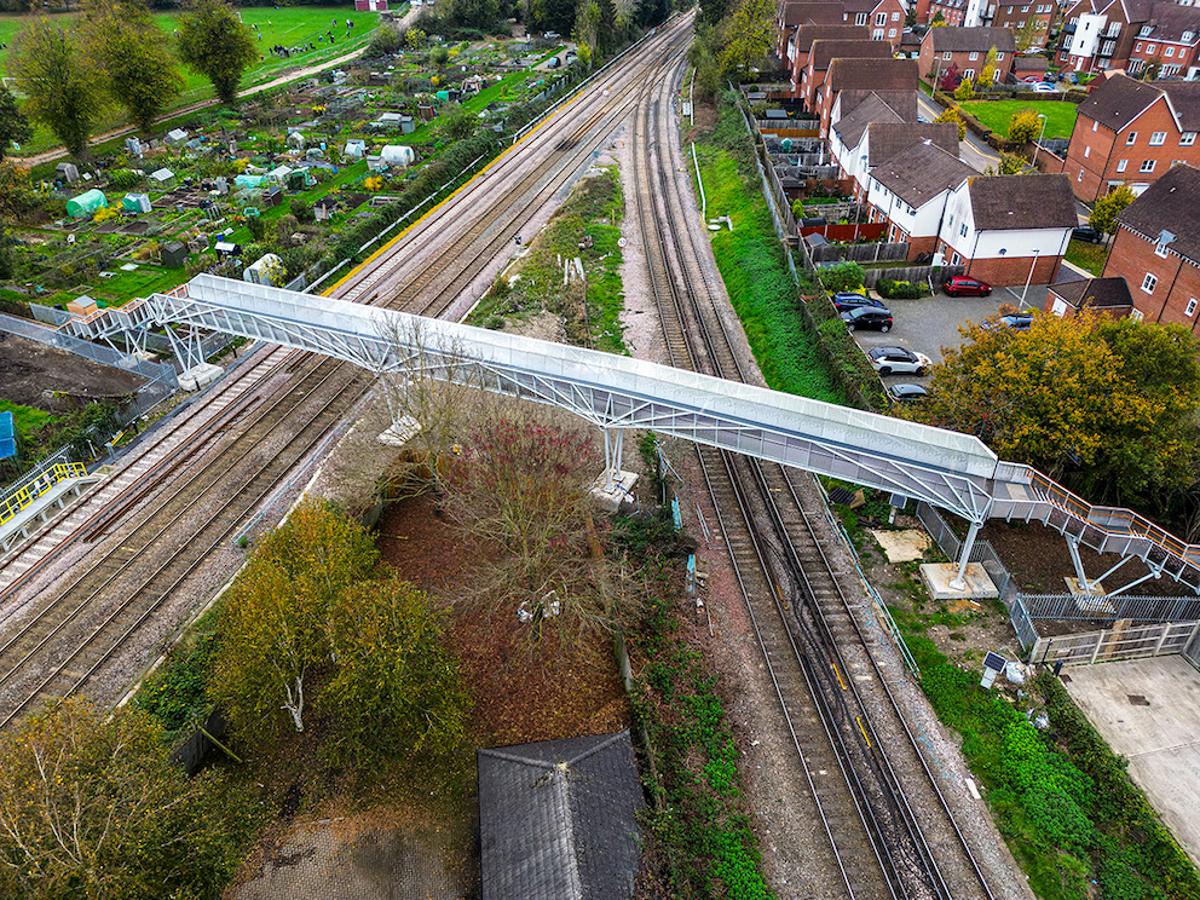
Early case studies illustrate the tangible benefits. In Paris, a 255‑tonne road bridge span slated for demolition was re‑engineered into a pedestrian crossing for the 2024 Olympics, slashing the embodied carbon of a new structure by an estimated 30 percent. Closer to home, Network Rail’s Tan House Footbridge near Wokingham employed reclaimed steel tubes and fan members, with generative digital tools aligning the design to the exact dimensions of the available stock. These projects demonstrate cost savings on material purchases and a reduction in waste disposal fees, while meeting stringent safety standards.
Re‑Bridge also signals a policy shift toward resource efficiency in UK infrastructure. Supported by regenerative design consultancy Useful Simple Trust, the platform aligns with government targets to halve construction‑related emissions by 2030. As more owners list surplus assets, the marketplace could foster a new business model where bridge components are treated as tradable commodities, encouraging manufacturers to design for disassembly and recyclability. Over time, this could accelerate the adoption of embodied‑carbon accounting in tender documents and make sustainable bridge design the norm rather than the exception.
UK gets first marketplace for second-hand steel bridges
Comments
Want to join the conversation?