Understanding and Trust: Wearable Safety Technology
Key Takeaways
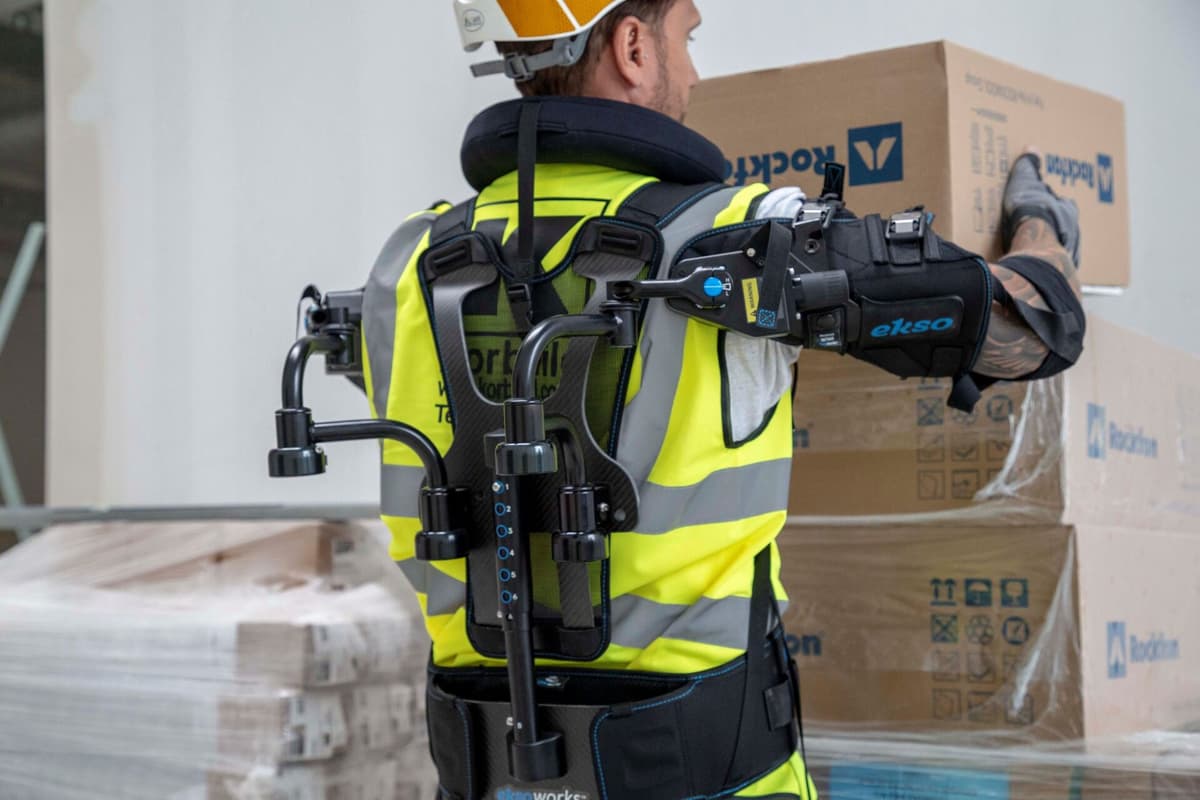
- •Exoskeleton vest trials aim to cut strain for manual labor
- •Data‑privacy worries hinder worker acceptance of health‑monitoring wearables
- •Early education via apprenticeships and CPD builds necessary trust
- •Transparent response plans turn alerts into protective actions, not surveillance
Pulse Analysis
The construction industry is at a tipping point where wearable safety tech moves from novelty to necessity. Smart hard hats that overlay augmented‑reality schematics, sensor‑rich vests that flag heat stress, and robotic exoskeletons that offload heavy lifting are already being trialed by major UK contractors such as Willmott Dixon and Skanska. These devices promise earlier hazard detection, reduced musculoskeletal injuries, and data‑driven insights that can reshape site‑level health‑and‑safety strategies. As firms chase productivity gains, the technology’s ability to provide real‑time, individualized protection becomes a compelling differentiator in a competitive market.
Despite clear benefits, adoption faces cultural and regulatory hurdles. Workers often view wearables as surveillance tools, fearing misuse of biometric data under the Data Protection Act 2018 and UK GDPR. Training curricula for apprentices and site supervisors rarely cover digital PPE, leaving a competence gap that fuels scepticism. Moreover, the Health and Safety at Work Act and CDM Regulations impose strict duties on data handling and risk management, meaning firms must articulate how information is collected, stored, and acted upon. Without transparent policies and robust education, even the most advanced sensors can be rejected or misapplied, eroding return on investment.
To unlock the full potential of wearables, the industry must embed them within existing training pathways and establish clear response protocols. Early‑stage education—integrated into apprenticeships, CPD modules, and supervisor briefings—can demystify the technology and build trust. Coupled with transparent data governance and proportionate alert handling, wearables shift from perceived oversight to genuine protective allies. As adoption matures, firms that successfully blend technology with people‑centric practices will likely see lower injury rates, higher worker confidence, and a competitive edge in bidding for safety‑critical projects.
Understanding and trust: wearable safety technology
Comments
Want to join the conversation?