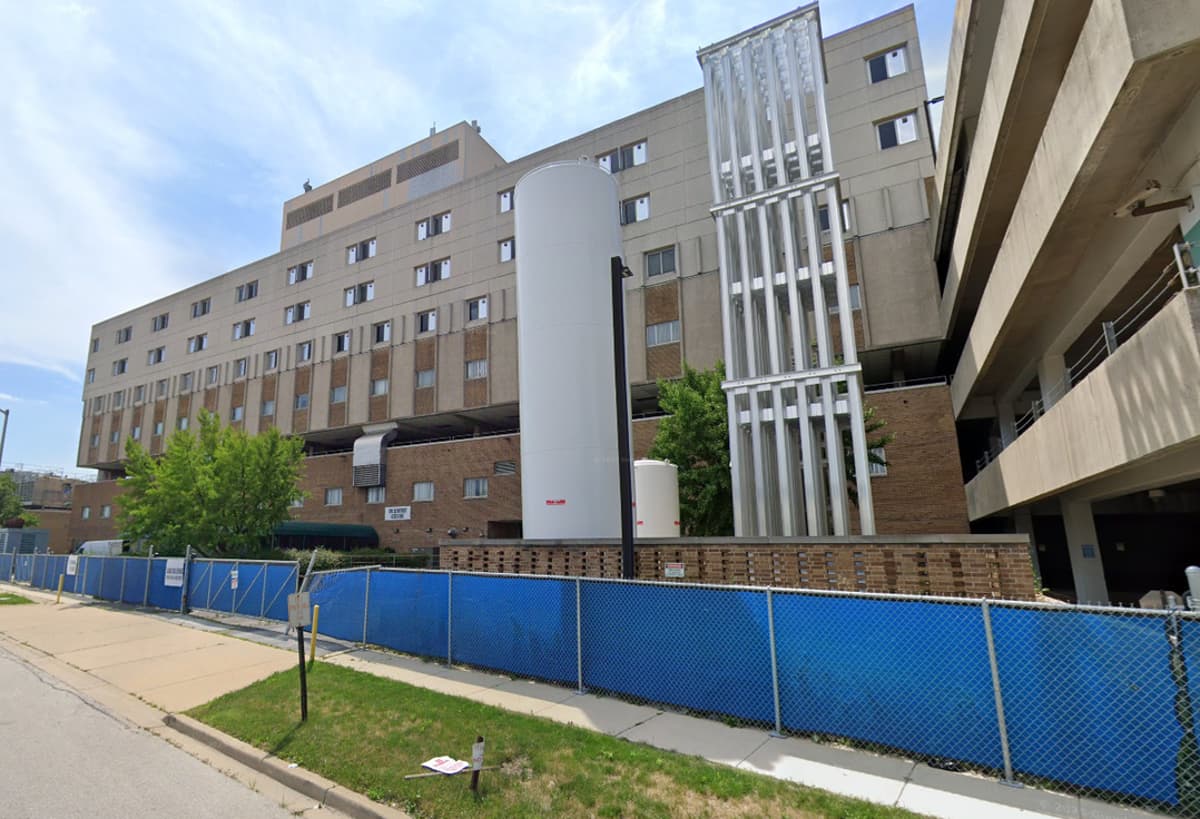
13-Acre Suburban Medical Campus Vacant Since 2019 Eyed For Data Center Development
Why It Matters
Repurposing the dormant hospital into a data center could generate significant tax revenue and jobs, but it also raises utility strain and community opposition, highlighting the tension between economic development and local quality‑of‑life in suburban markets.
Key Takeaways
- •Lockwood bought site for $20 M, now facing foreclosure.
- •New owners propose demolishing hospital for park and four data centers.
- •Community concerns focus on utilities, noise, and environmental impact.
- •Data center deemed “highest and best use” despite local opposition.
Pulse Analysis
Data‑center demand is surging as cloud services and AI workloads expand, prompting developers to seek sites with robust power and fiber infrastructure. Former hospitals, with large footprints, existing utility connections, and strategic locations near rail corridors, have become attractive candidates for conversion. This trend reflects a broader shift in real estate, where underutilized medical facilities are repurposed to meet the growing digital economy, offering developers ready‑made sites that minimize new construction costs while leveraging existing grid capacity.
In Blue Island, the former MetroSouth Medical Center illustrates the complexities of such conversions. Lockwood Development Partners purchased the 12.5‑acre campus for $20 million in 2020, initially planning senior and veteran housing. After defaulting on a $32 million loan and a subsequent $15 million second mortgage from Builders Capital, the developer faced a foreclosure lawsuit, leading to an ownership change. The new group has floated a plan to raze the building, create a public park, and erect four data‑center facilities, citing nearby fiber routes and secured power sources. While city officials have not received formal applications, they emphasize a transparent process as residents voice concerns over increased electricity demand, noise, and potential environmental impacts.
If approved, the data‑center project could inject substantial tax revenue and create high‑skill jobs, positioning Blue Island as a regional tech hub. However, the proposal also underscores the need for municipalities to balance economic incentives with infrastructure capacity and community welfare. As suburbs across the Chicago area grapple with similar projects, policymakers may need to craft clearer guidelines on utility upgrades, noise mitigation, and public engagement to ensure sustainable growth without compromising residents' quality of life.
13-Acre Suburban Medical Campus Vacant Since 2019 Eyed For Data Center Development
Comments
Want to join the conversation?
Loading comments...