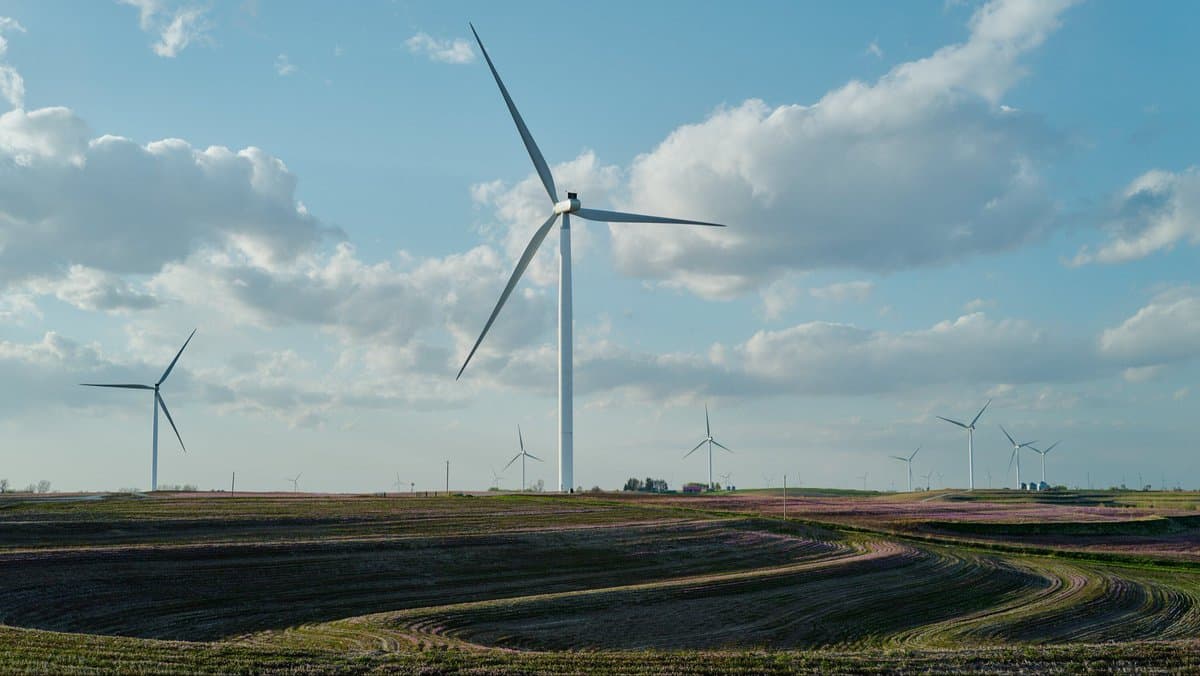
165 Onshore Wind Farm Projects in U.S. Clamped Down as Pentagon Cites National Security Concerns
Why It Matters
Pentagon scrutiny threatens a sizable chunk of the U.S. wind pipeline, delaying clean‑energy generation and signaling heightened policy risk for investors and developers.
Key Takeaways
- •Pentagon review stalls ~30 GW of onshore wind capacity.
- •165 projects affect power for ~15 million U.S. homes.
- •Trump administration’s policy shift creates regulatory uncertainty for renewables.
- •Developers face delayed permits and potential buyouts for coal or gas projects.
- •Industry group warns clash with conservative property rights principles.
Pulse Analysis
The Department of Defense’s recent directive to re‑evaluate 165 on‑shore wind projects underscores a growing intersection between energy infrastructure and national‑security considerations. While the review ostensibly targets potential interference with military operations, its breadth—covering projects that would normally bypass defense oversight—has effectively placed up to 30 GW of renewable capacity in limbo. This pause not only stalls power generation for an estimated 15 million households but also introduces a new layer of compliance risk that developers must navigate, complicating financing and timeline forecasts.
Politically, the action aligns with the Trump administration’s broader strategy to curb wind development, a stance that has manifested in cancelled meetings, delayed permit processing, and even buy‑out offers steering firms toward coal or gas assets. Such policy volatility erodes confidence among investors who rely on stable regulatory environments for long‑term renewable projects. The American Clean Power Association’s criticism highlights a paradox: restricting private landowners’ ability to generate value runs counter to traditional conservative principles of property rights and free‑market activity.
For the market, the immediate impact is a slowdown in project pipelines, which could tighten supply of clean‑energy credits and elevate costs for utilities seeking renewable procurement. In the longer term, the outcome will hinge on whether the defense review becomes a permanent gatekeeper or a temporary political lever. Stakeholders are watching for legislative or judicial interventions that could restore predictability, while developers may diversify portfolios to mitigate exposure to security‑related delays. The episode serves as a cautionary tale of how geopolitical concerns can reshape domestic energy trajectories.
165 Onshore Wind Farm Projects in U.S. Clamped Down as Pentagon Cites National Security Concerns
Comments
Want to join the conversation?
Loading comments...