1bn+ Lakefrost Mall Redevelopment Faces Setbacks as Design Conflicts Obscure Progress
Why It Matters
Delays in critical infrastructure approvals push back a major urban revitalization that could generate thousands of jobs and new housing in a fast‑growing Maryland market. The outcome will signal how effectively large‑scale mixed‑use projects can navigate complex municipal coordination.
Key Takeaways
- •$1 B+ mixed‑use redevelopment spans 102 acres
- •Design conflicts delay stormwater, road, and transit plans
- •Early works affect 94 acres, moving an 84‑inch storm drain
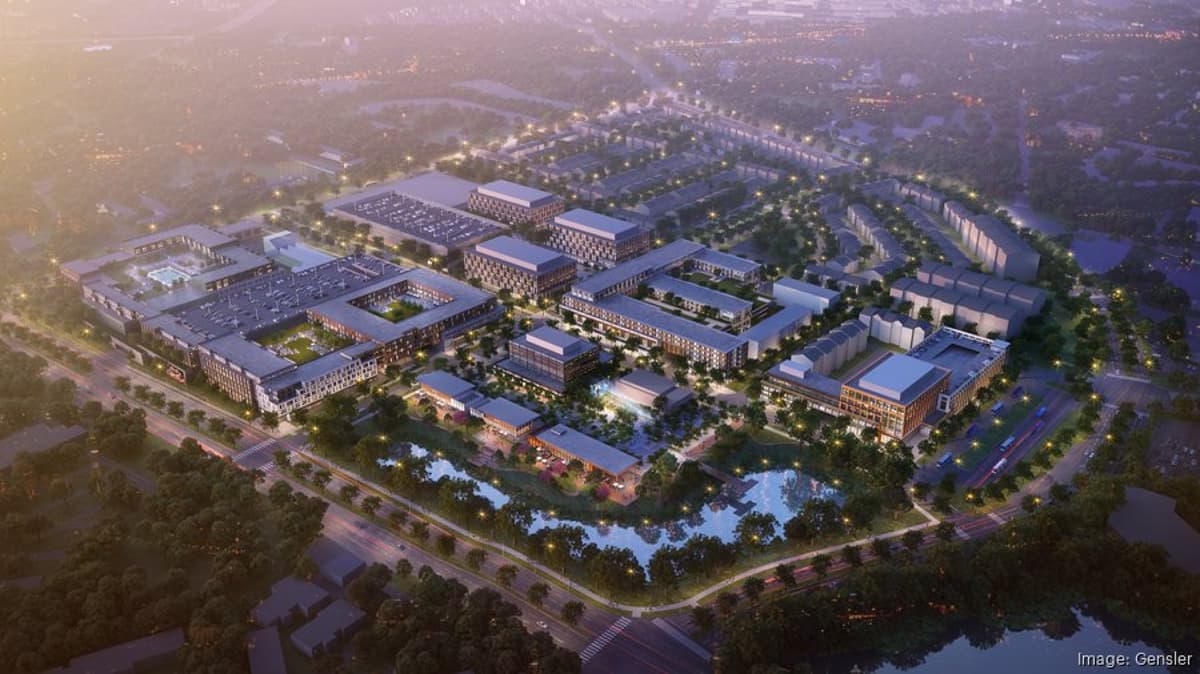
- •Project targets 1,600 homes, 470k sq ft retail, 750k sq ft employment
- •Final site‑plan approvals required before construction permits
Pulse Analysis
The closure of the 1978‑era Lakefrost Mall mirrors a national trend of legacy retail centers being repurposed to meet evolving urban demands. Across the United States, developers are converting underperforming malls into mixed‑use districts that blend housing, office, and specialty sectors such as life sciences. This shift reflects changing consumer behavior, remote‑work patterns, and a heightened focus on walkable, amenity‑rich neighborhoods, positioning projects like Lakefrost at the forefront of post‑mall redevelopment strategies.
Lakefrost’s ambitious scope—over 1,600 residential units, nearly half a million square feet of retail, and three‑quarters of a million square feet earmarked for employment—places it among the most extensive mixed‑use undertakings in the Mid‑Atlantic. However, the project’s progress is hampered by technical design conflicts, notably the redesign of storm‑water ponds, the geometry of internal roadways, and integration with regional transit corridors. Early works covering 94 acres, including the relocation of an 84‑inch storm drain, must satisfy both city planners and the Montgomery County Department of Transportation before any vertical construction can commence, creating a multi‑phase approval bottleneck.
If resolved, the redevelopment could inject significant economic activity into Gaithersburg, creating construction jobs now and permanent positions in retail, research, and professional services later. The addition of life‑science facilities aligns with Maryland’s broader push to attract biotech firms, while the residential component addresses a regional housing shortage. Success would demonstrate the viability of large‑scale, phased approvals in complex jurisdictions, offering a blueprint for similar projects nationwide.
1bn+ Lakefrost Mall Redevelopment Faces Setbacks as Design Conflicts Obscure Progress
Comments
Want to join the conversation?
Loading comments...