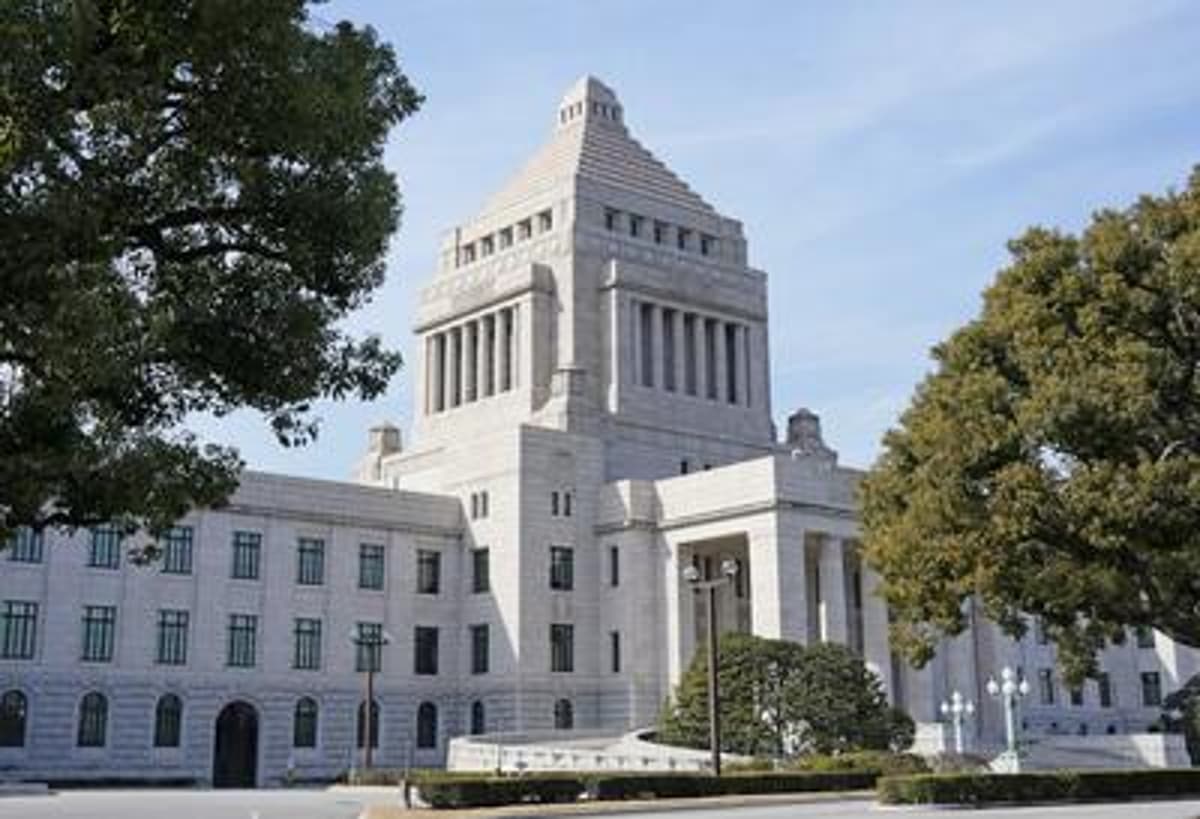
1st Major Renovation Planned for Japan's 90-Yr-Old Parliament Building
Why It Matters
Ensuring the Diet remains operational during a quake safeguards Japan’s core political functions and sets a benchmark for retrofitting heritage structures in a high‑risk seismic zone.
Key Takeaways
- •Renovation starts FY2030, lasting eight years
- •Cost estimated at ¥60‑70 bn ($382‑$446 m), may rise
- •Seismic‑isolation layer to be installed beneath foundations
- •Historic interiors preserved; work designed to avoid session disruption
- •2023 report flagged steel frame warping, prompting safety upgrades
Pulse Analysis
The National Diet Building, completed in 1936, is more than a legislative venue; it is a symbol of Japan’s post‑war democracy. Its reinforced‑concrete shell has withstood decades of seismic activity, yet a 2023 engineering review uncovered warping in the central tower’s steel frames, raising concerns about its ability to survive a major quake. As the country grapples with increasingly frequent seismic events, the decision to retrofit the iconic structure reflects a broader shift toward proactive resilience in public infrastructure.
The renovation plan, slated to begin in fiscal 2030, allocates ¥60‑70 billion (approximately $382‑$446 million) and will span roughly eight years. Engineers will embed a seismic‑isolation system beneath the building’s foundations, a technique that decouples the structure from ground motion, allowing the Diet to remain functional even during construction. Preservation teams are tasked with safeguarding the building’s historic interiors, including the stained‑glass hall and the emperor’s reception room, ensuring that modernization does not erode cultural heritage. By scheduling work around parliamentary sessions, lawmakers aim to maintain legislative continuity while the upgrades proceed.
Beyond the Diet, the project signals a new standard for Japan’s aging public assets, many of which were built before modern earthquake codes. Successful implementation could spur similar retrofits for schools, hospitals, and other heritage sites, reinforcing national resilience. Moreover, the investment underscores the government’s commitment to protecting democratic institutions from natural disasters, a message that resonates with investors and allies monitoring Japan’s stability in a volatile geopolitical environment.
1st major renovation planned for Japan's 90-yr-old parliament building
Comments
Want to join the conversation?
Loading comments...