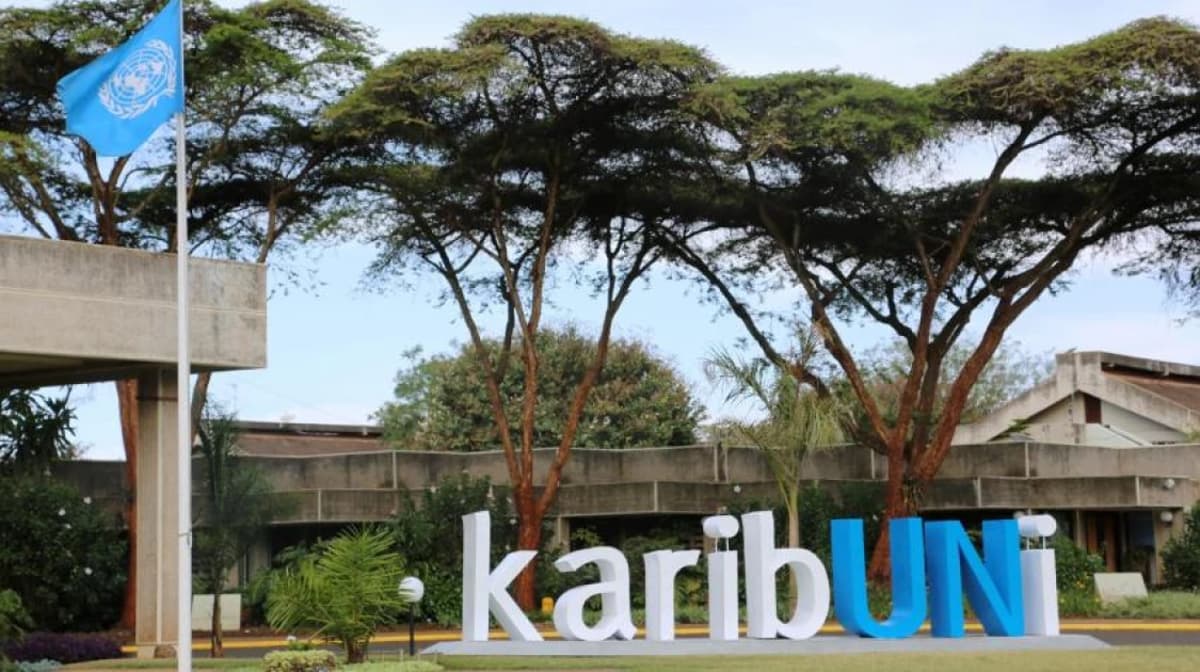
$340 Million United Nations’ Nairobi Expansion Project Inauguration, What You Should Know
Why It Matters
The expansion strengthens Nairobi’s role as a strategic UN hub, enhancing Africa’s access to high‑level diplomatic venues and modern office infrastructure. It also signals increased UN investment in climate‑resilient facilities, supporting regional peacekeeping and development missions.
Key Takeaways
- •UN Nairobi expansion costs $340 million, funded by member states.
- •Conference facility capacity rises from 2,000 to 9,000 delegates.
- •New office blocks replace 1970s prefabs, boosting efficiency.
- •Project targets Nairobi as premier UN hub by 2030.
- •6,000 UN personnel in Kenya, 5,000 at Gigiri complex.
Pulse Analysis
The United Nations’ decision to invest $340 million in a new complex at its Nairobi headquarters reflects a broader shift toward decentralising multilateral activity beyond New York, Geneva and Vienna. Approved by the General Assembly in late 2023, the Gigiri expansion replaces aging 1970s prefabricated structures with climate‑resilient, fully accessible buildings. Kenya’s capital has already become a focal point for regional peacekeeping, humanitarian aid and development programmes, hosting agencies such as UNICEF, UNFPA and UN Women. Modernising the site aligns the UN’s physical footprint with the continent’s rising diplomatic relevance.
The project splits into two major streams: a $265.6 million conference‑facility upgrade and a $74.5 million office‑building programme. The new conference centre will increase delegate capacity from 2,000 to 9,000, add sixteen meeting rooms, and feature a 1,600‑seat assembly hall comparable to the UN’s New York and Geneva venues. Simultaneously, six permanent office blocks will replace ten outdated prefabs, improving energy efficiency and workspace quality for the roughly 6,000 UN staff stationed in Kenya. Construction is set to begin late 2026, with substantial completion expected in September 2029 and full operational launch by 2030.
Beyond bricks and mortar, the Nairobi expansion carries significant economic and geopolitical weight. For Kenya, the influx of construction contracts and the long‑term presence of a world‑class diplomatic hub promise job creation and ancillary business growth. Strategically, a larger, state‑of‑the‑art facility enables the UN to convene high‑level African summits—such as the Africa Forward Summit—more efficiently, reinforcing the continent’s voice in global policy debates. The investment also signals the UN’s commitment to climate‑smart infrastructure, setting a benchmark for future upgrades across its worldwide estate.
$340 Million United Nations’ Nairobi Expansion Project Inauguration, What You Should Know
Comments
Want to join the conversation?
Loading comments...