$4 Billion Arunachal Pradesh Hydropower Projects Accelerate India’s Clean Energy Transition Drive
Why It Matters
The approval signals India’s commitment to diversify its renewable mix with firm‑capacity hydropower, bolstering grid reliability and energy security in the underserved northeast. It also unlocks significant economic activity and infrastructure resilience in a geopolitically sensitive border region.
Key Takeaways
- •$4 bn (≈₹40,000 crore) approved for Kamala and Kalai‑II projects
- •Kamala adds 1,720 MW, boosting northeast power supply
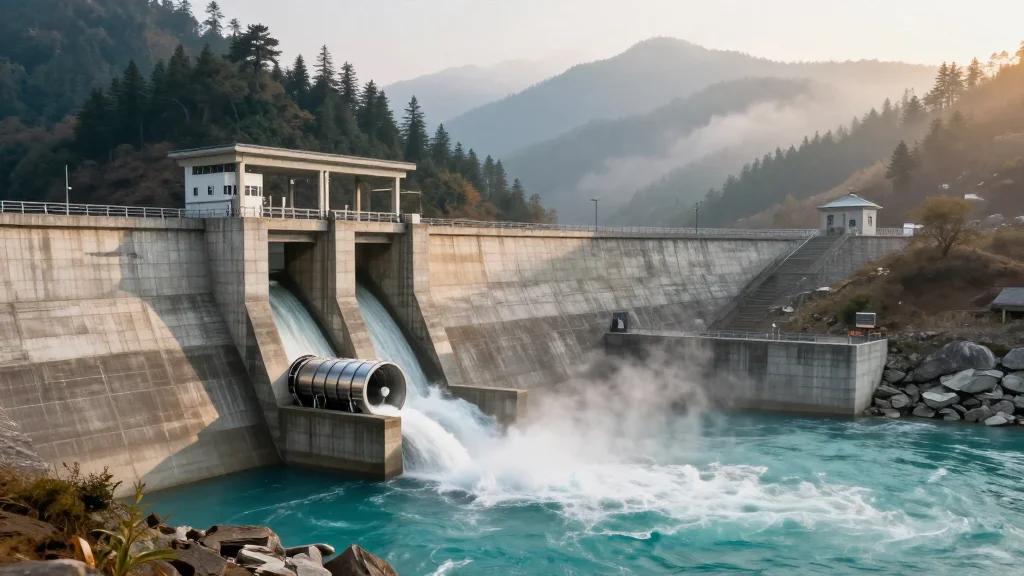
- •Projects include dams, underground powerhouses, flood‑moderation infrastructure
- •Hydropower supports India’s renewable target and grid stability
- •Construction creates jobs, improves regional connectivity and economic growth
Pulse Analysis
India’s decision to channel over $4 billion into the Kamala and Kalai‑II hydropower schemes marks a decisive step toward a balanced renewable portfolio. While solar and wind dominate headlines, large‑scale hydro provides dispatchable power that can offset the intermittency of those sources. The Kamala plant’s 1,720 MW capacity alone will represent a substantial share of the northeast’s generation mix, helping the country meet its 2030 renewable‑energy goals and reducing reliance on coal imports.
Beyond electricity, the projects embed critical flood‑control and water‑resource management features across the Brahmaputra basin. By integrating concrete gravity dams, extensive tunnel networks and underground powerhouses, the schemes aim to mitigate seasonal flooding that threatens agriculture and settlements. The construction phase is expected to generate thousands of direct and indirect jobs, stimulate local supply chains, and upgrade transport corridors in Kamle, Kra Daadi and Kurung Kumey districts, thereby fostering inclusive regional growth.
Financing the ventures through a 70:30 debt‑equity structure, with central‑government backing and state incentives, underscores the public sector’s confidence in hydropower’s long‑term returns. Nevertheless, environmental clearances and community engagement remain pivotal, as large dams can impact ecosystems and indigenous livelihoods. If managed responsibly, these projects could position India as a global leader in sustainable hydro infrastructure, offering a replicable model for other emerging economies seeking to blend clean energy with climate‑resilient development.
$4 Billion Arunachal Pradesh Hydropower Projects Accelerate India’s Clean Energy Transition Drive
Comments
Want to join the conversation?
Loading comments...