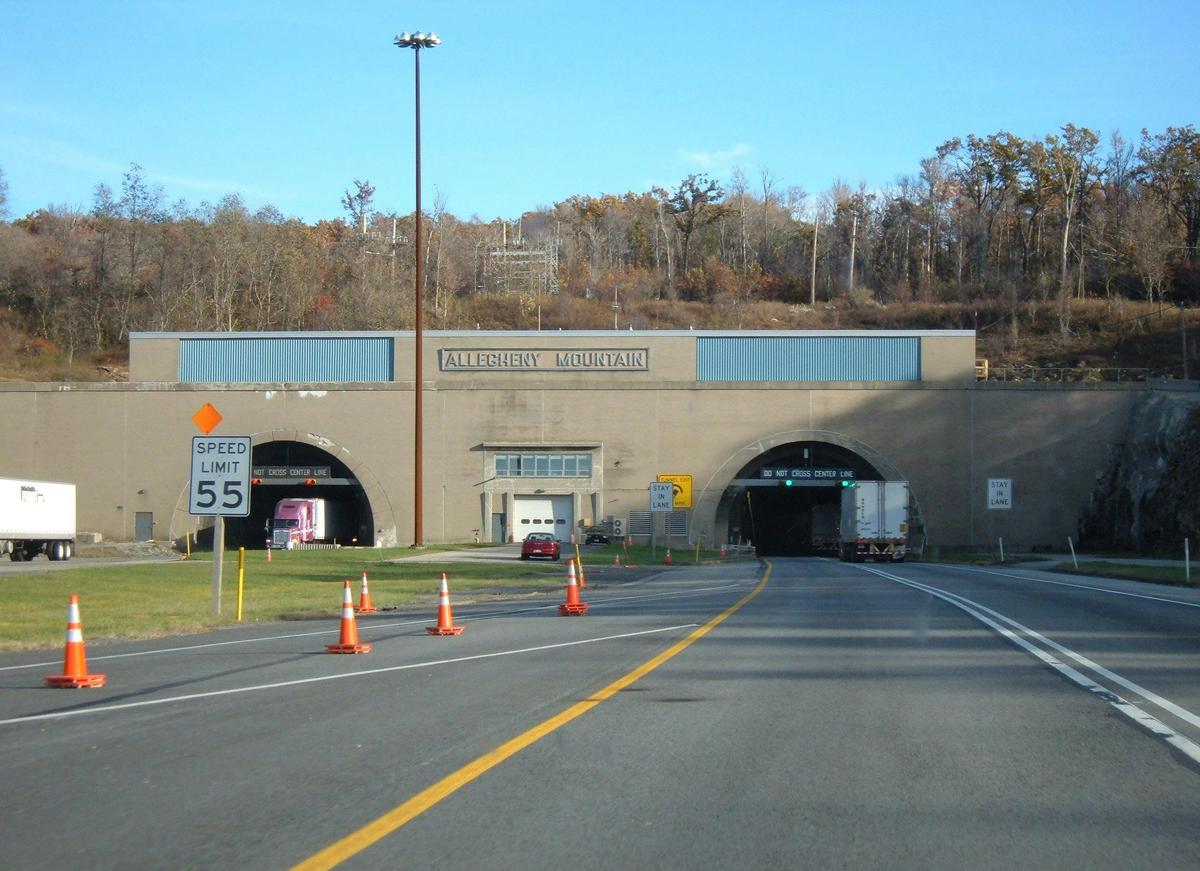
A 1,000-Foot-Wide Cut Through PA’s Allegheny Mountain? Critics Push Back
Why It Matters
The proposal pits costly infrastructure modernization against environmental preservation and property rights, setting a precedent for how state agencies balance transportation needs with ecological and community concerns.
Key Takeaways
- •Realignment would cut 1,000‑foot wide, 250‑foot deep gorge.
- •Estimated cost exceeds $300 million, half of tunnel expansion estimate.
- •Opponents warn wildlife, water resources, and landscape disruption.
- •Rep. Carl Metzgar proposes bill limiting eminent‑domain authority.
- •Alternative: rehabilitate tunnels and add third eastbound tube.
Pulse Analysis
Pennsylvania’s aging Allegheny Tunnel, a critical conduit for Interstates 70 and 76, has long struggled with structural wear, increasing traffic volumes, and heightened crash rates. Over three decades, state engineers have evaluated options ranging from full tunnel replacement to modest rehabilitation, each carrying hefty price tags and operational disruptions. The latest proposal—carving a 1,000‑foot‑wide cut through Allegheny Mountain—promises a seven‑lane, high‑speed corridor that could alleviate congestion and improve safety for hazardous‑material trucks forced onto local roads.
The mountain‑cut plan, estimated at just over $300 million, appears financially attractive compared with a tunnel expansion projected to cost double. Yet the environmental calculus is stark: a 250‑foot‑deep gorge would fragment wildlife migration routes, alter watershed dynamics, and permanently scar a historic landscape. Community groups and local landowners, including the Mountain Field and Stream Club, fear loss of habitat and the precedent of invoking eminent‑domain for a project that could be avoided by refurbishing the existing tunnels and adding a third eastbound tube. Their concerns echo broader national debates over infrastructure projects that prioritize speed over sustainability.
Legislatively, Rep. Carl Metzgar’s bill to restrict the Turnpike Commission’s eminent‑domain authority underscores the political sensitivity of large‑scale roadwork in rural Pennsylvania. If passed, the measure could force the commission to reconsider its alignment strategy, potentially shifting focus toward tunnel rehabilitation—a less invasive, albeit more expensive, solution. The outcome will signal how state agencies balance fiscal prudence, environmental stewardship, and community rights, influencing future infrastructure planning across the United States.
A 1,000-Foot-Wide Cut Through PA’s Allegheny Mountain? Critics Push Back
Comments
Want to join the conversation?
Loading comments...