Why It Matters
Automated monitoring and advanced chemistry promise lower operating costs and reduced environmental impact for South African hospitals, setting a template for continent‑wide water‑energy optimisation in public infrastructure.
Key Takeaways
- •French government backs project with €500k (~$545k) funding
- •Real‑time sensors will track water use, steam output, system performance
- •Film‑forming amine creates protective film, improving heat transfer efficiency
- •Model targets scalable, sustainable water management across African institutions
Pulse Analysis
South African hospitals consume large volumes of water for cooling towers, boilers and laundry steam systems, yet many still rely on manual treatment methods that invite scaling, corrosion and microbial growth. These inefficiencies drive up energy use, increase maintenance costs and jeopardise hygiene standards. By introducing data‑driven monitoring, the G‑Chem Aquacare‑Odyssee partnership addresses a critical gap, aligning water stewardship with the broader push for greener healthcare operations.
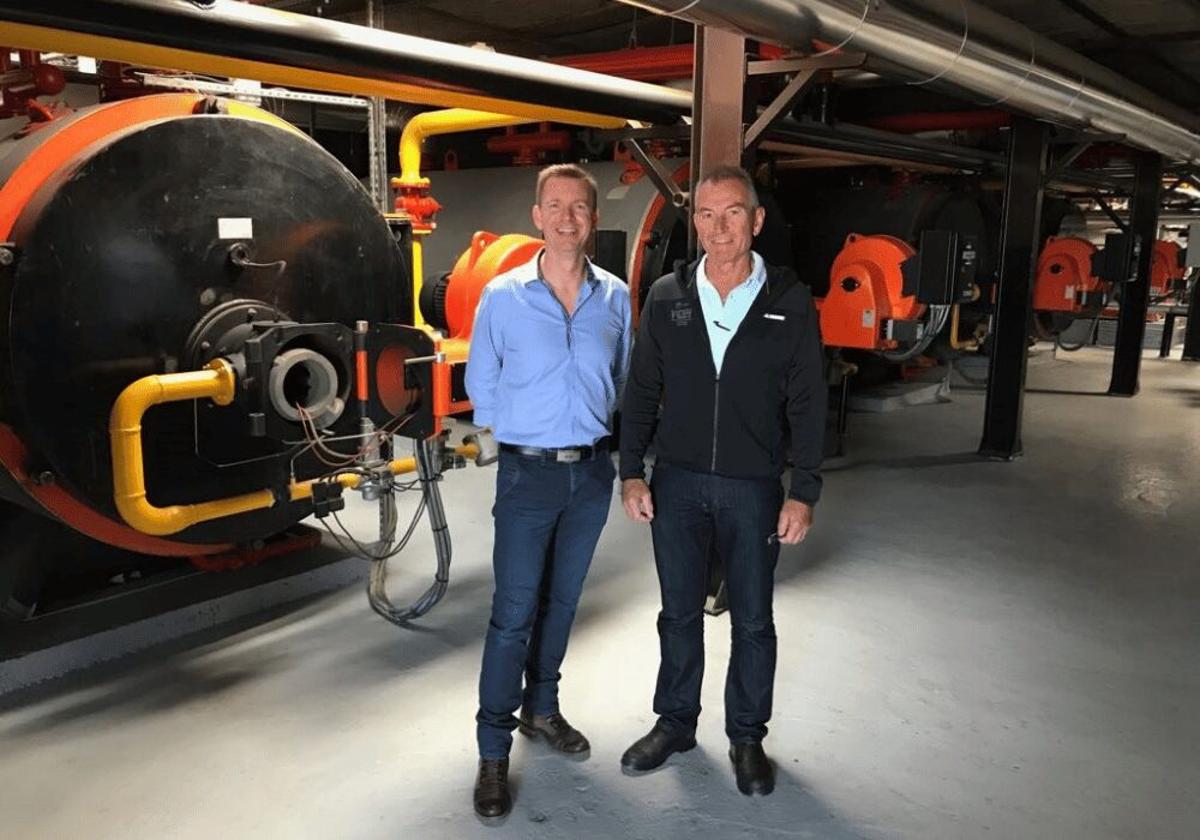
The ODYAFRICA project leverages Odyssee Environnement’s proprietary monitoring platform and its film‑forming amine (FFA) chemistry. Sensors and smart meters will feed real‑time data into a remote dashboard, enabling facility managers to pinpoint waste and optimise boiler and cooling‑tower performance. After a six‑month baseline using traditional chemicals, the rollout of FFA technology in December will form a molecular film on internal surfaces, enhancing heat transfer and slashing energy losses. The phased approach across three hospitals—full‑suite deployment at Universitas Academic, a streamlined setup at Pelonomi, and a focused laundry‑boiler pilot—provides a comprehensive test bed for both hardware and chemical solutions.
Beyond immediate cost savings, the initiative serves as a blueprint for scalable, sustainable water management across Africa’s public sector. The French‑funded FASEP programme emphasizes knowledge transfer, with G‑Chem Aquacare training local maintenance teams and establishing remote support structures. Successful outcomes could accelerate adoption of automated water treatment in other institutional settings, driving continent‑wide reductions in water consumption, energy demand and carbon emissions while fostering local expertise in hydroethical technologies.
A Water Treatment ‘Odyssee’
Comments
Want to join the conversation?
Loading comments...