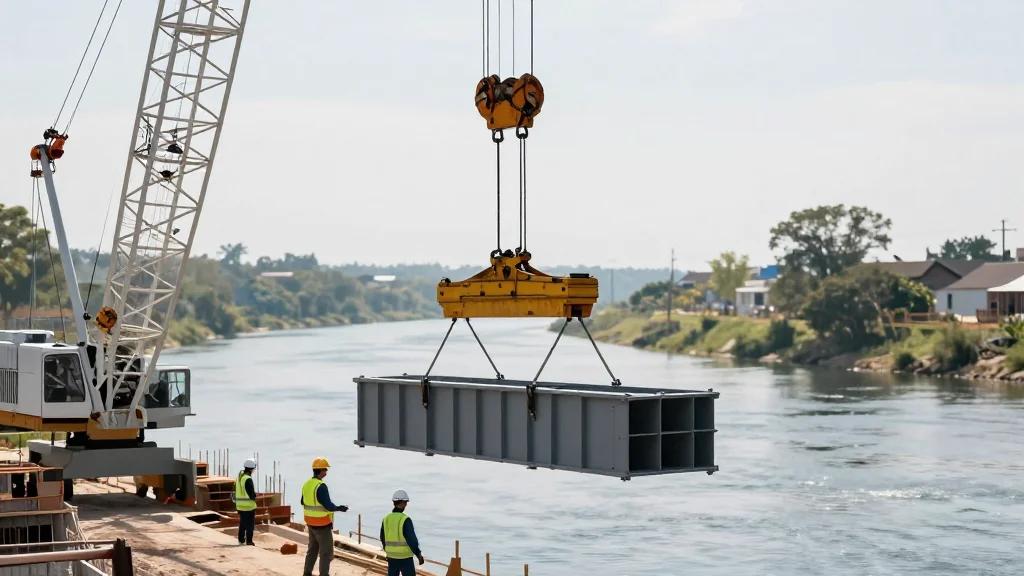
Adapting Infrastructure for Rapid Deployment Needs
Why It Matters
Speedy, flexible infrastructure reduces project overruns, cuts expenses, and enhances resilience, giving firms a competitive edge in fast‑moving markets.
Key Takeaways
- •Modular components cut construction time by up to 70%
- •Reusable structures lower lifecycle costs and waste
- •Rapid deployment restores access in disaster zones within days
- •Temporary access bridges keep projects on schedule during delays
- •Industry shift toward flexible, prefabricated infrastructure accelerates delivery
Pulse Analysis
The acceleration of project timelines has become a defining pressure across sectors that rely on physical infrastructure. In construction, logistics hubs, and energy installations, delays translate directly into lost revenue and strained supply chains. As a result, firms are abandoning labor‑intensive, on‑site builds in favor of prefabricated, modular solutions that can be shipped and assembled in a fraction of the time. This shift is supported by advances in off‑site manufacturing, standardized connection systems, and logistics planning tools that together enable a ‘plug‑and‑play’ approach to building critical access routes and support structures.
Modular design delivers tangible economic and environmental gains. Because components are produced in controlled factories, material waste drops dramatically and quality control improves, driving down labor costs by up to 70 %. The ability to disassemble and relocate modules also extends asset life, turning a single investment into multiple project applications. In disaster relief, rapid‑deployment bridges and shelters can be air‑lifted and erected within days, restoring critical routes for emergency responders. Companies such as Beaver Bridges have built a niche by offering lightweight, quickly installed bridge systems that perform under harsh conditions, showcasing the commercial viability of this model.
The next wave of rapid‑deployment infrastructure will be driven by smarter materials and digital integration. Lightweight composites, 3‑D‑printed structural elements, and self‑healing concrete promise even faster assembly and longer service life. Coupled with BIM‑enabled planning and IoT sensors, operators can monitor performance in real time and pre‑position modules where they are most needed. For businesses, adopting these flexible systems reduces capital exposure, improves project agility, and aligns with sustainability targets that investors increasingly demand. As markets continue to value speed and resilience, modular infrastructure is set to become a core strategic asset rather than a niche solution.
Adapting Infrastructure for Rapid Deployment Needs
Comments
Want to join the conversation?
Loading comments...