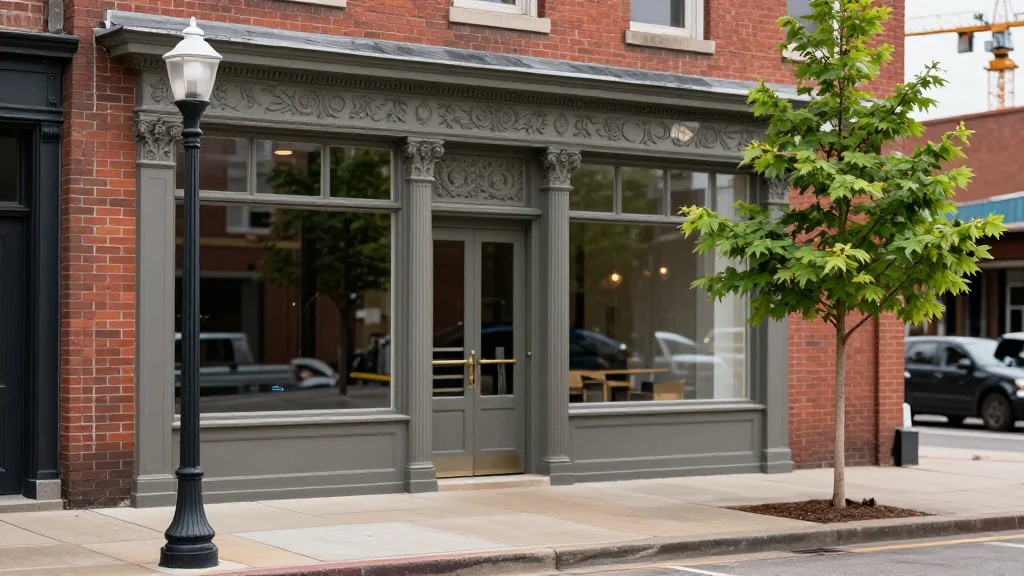
After the Second Avenue Bombing
Why It Matters
The project proves that coordinated public‑private planning and deep community engagement can turn a disaster into a model of urban resilience, offering a replicable blueprint for other cities facing infrastructure shocks.
Key Takeaways
- •65+ buildings damaged; streetscape rebuilt with wider sidewalks and lighting.
- •ULI Advisory Services Panel delivered recommendations within three months of bombing.
- •Community-led stakeholder sessions guided design, aligning expert input with local needs.
- •Public investment in infrastructure spurred private redevelopment and economic activity.
- •Revitalized Second Avenue exemplifies 15‑minute‑city principles and smart‑city resilience.
Pulse Analysis
The 2020 Second Avenue bombing was a stark reminder of how vulnerable dense urban corridors can be to unexpected shocks. Nashville’s response hinged on the swift activation of ULI’s Advisory Services Panel, a group of seasoned planners and developers who, despite pandemic constraints, conducted a virtual “bus tour” to diagnose damage and propose solutions. Their rapid turnaround—delivering a comprehensive set of recommendations within three months—provided the city with a clear, expert‑driven roadmap at a moment when decisive action was essential.
Implementation focused on three pillars: preserving historic character, enhancing pedestrian experience, and modernizing infrastructure. Sidewalks were widened to accommodate outdoor dining and a 15‑minute‑city vision, while upgraded lighting, tree canopy, and wayfinding fostered a safer, more inviting streetscape. Crucially, the city overhauled underground utilities, addressing the hidden vulnerabilities exposed by the blast. These physical upgrades were matched by an intensive community‑engagement process that held roughly 75 stakeholder sessions, ensuring that resident priorities—such as retaining existing building stock and fostering local businesses—were embedded in the final design. Public funds were strategically deployed to de‑risk the corridor, catalyzing private investment and revitalizing economic activity.
For planners and policymakers, Second Avenue offers a replicable framework for disaster‑driven urban renewal. The blend of expert advisory panels, robust public participation, and targeted public‑investment creates a feedback loop that accelerates implementation and builds long‑term resilience. As cities worldwide grapple with climate‑related shocks and infrastructure aging, Nashville’s experience underscores the value of aligning technical expertise with community voice to rebuild not just structures, but the economic and social fabric of neighborhoods.
After the Second Avenue Bombing
Comments
Want to join the conversation?
Loading comments...