Arcol’s Play for General Contractors
Why It Matters
By turning GC‑owned data and expertise into tradable AI services, Arcol could reshape revenue models and workflow efficiency across the AEC industry, forcing incumbents to rethink siloed BIM architectures.
Key Takeaways
- •Arcol builds a collaborative, browser‑based authoring runtime for agents.
- •“Consigliere model” lets GCs embed proprietary estimating agents in projects.
- •Marketplace approach aims to trade firm‑owned expertise as AI services.
- •Success hinges on GC adoption and liability frameworks for AI‑generated data.
Pulse Analysis
The architecture, engineering and construction (AEC) sector has long been dominated by heavyweight desktop tools that treat design as a solitary activity. Arcol’s origin story—a pre‑seed pitch for a real‑time, browser‑based authoring tool with intelligence at its core—now finds relevance in the era of large language models and autonomous agents. By creating a collaborative runtime where both humans and AI agents can edit the same data stream, Arcol aims to eliminate the silos that have plagued traditional BIM workflows, offering a platform that can support simultaneous design, cost, and constructability analyses.
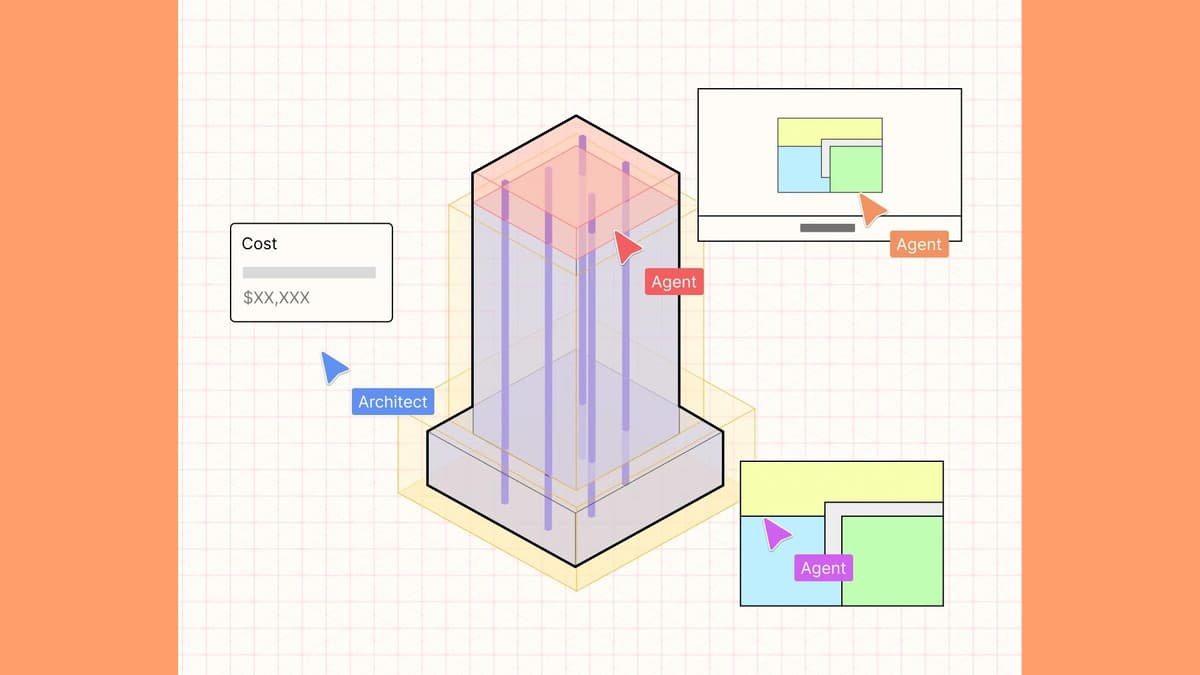
Central to this vision is the "Consigliere model," a marketplace‑style framework that lets general contractors embed their own AI agents—such as a Turner Construction costing bot—directly into project files. These agents carry firm‑specific historical data and can generate cost estimates around the clock, reducing the need for large estimating teams. Arcol plans to embed engineers within contractor firms to co‑develop the first generation of agents, proving the economics before opening the layer to broader adoption. This approach shifts the value proposition from selling software licenses to monetizing firm‑owned expertise as AI‑driven services.
If successful, Arcol could trigger a fundamental shift in how the AEC industry sources and delivers expertise. The move from single‑player BIM tools to an agentic, collaborative ecosystem forces incumbents to reconsider their product roadmaps and data strategies. However, widespread adoption hinges on resolving liability questions around AI‑generated cost numbers and establishing clear professional indemnity standards. As large general contractors grapple with these legal and operational challenges, they will likely dictate the pace of change, positioning early adopters as the standard‑setters for the next generation of AI‑augmented construction workflows.
Arcol’s play for general contractors
Comments
Want to join the conversation?
Loading comments...