Australian-Made Materials Key to Housing Output, HIA Says
Why It Matters
Strengthening local manufacturing can ease housing shortages, create jobs and increase economic resilience against geopolitical shocks.
Key Takeaways
- •Australian manufacturers drive housing pipeline, employing thousands
- •Domestic materials reduce delays, improve supply chain certainty
- •Regional factories link directly to home construction inputs
- •Reducing imports boosts economic resilience amid global disruptions
- •Supporting local producers is a national priority for housing
Pulse Analysis
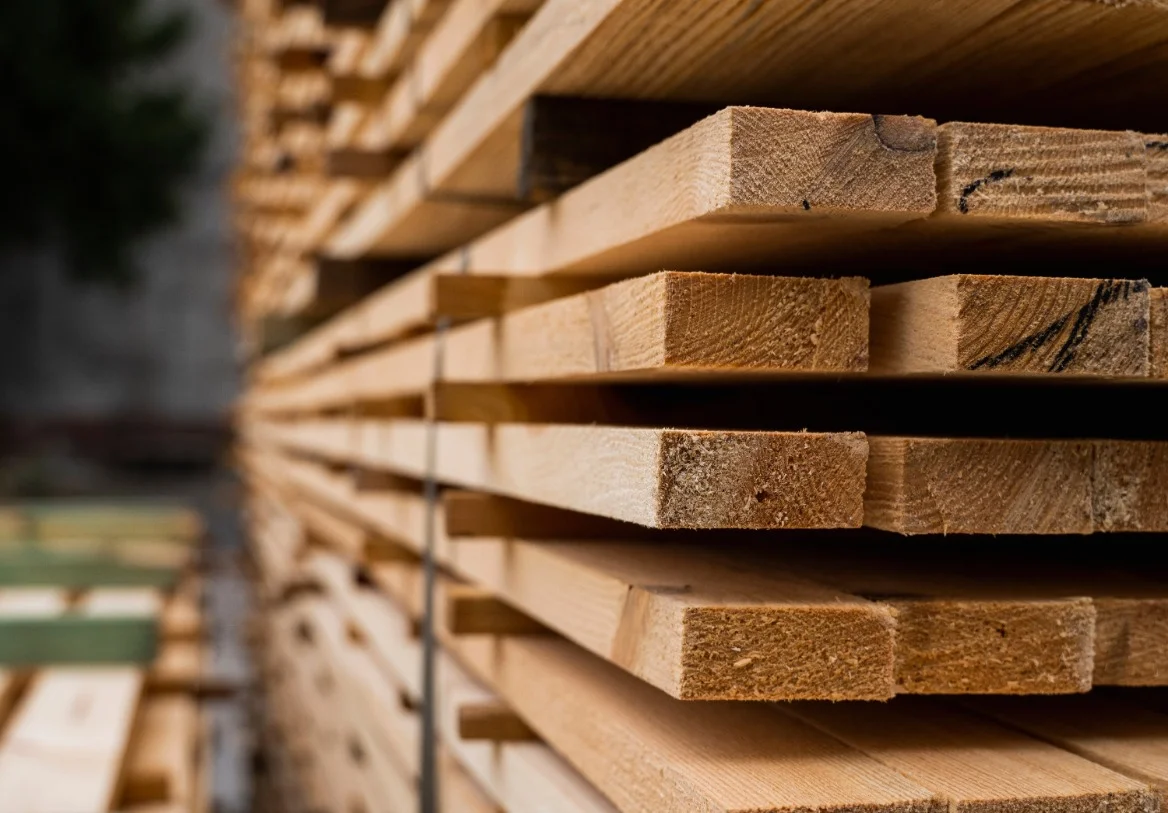
The Australian housing market is confronting a chronic shortage, with demand outpacing the construction of new homes. In this environment, the Housing Industry Association (HIA) has turned its spotlight on the manufacturing sector as a linchpin of the supply chain. Chief Executive Simon Croft, during visits to factories in Oberon and Western Sydney, argued that the bulk of a home’s components—timber, trusses, panels, kitchen units—are produced locally, and that this domestic output is essential to keep the pipeline flowing. By emphasizing “Australian‑made” materials, the HIA hopes to align builders, policymakers, and consumers around a shared resilience strategy.
Recent geopolitical shocks, from trade tensions to pandemic‑induced freight bottlenecks, have exposed the fragility of relying on imported building products. Croft noted that a stronger sovereign manufacturing base can blunt these external shocks, delivering more predictable lead times and lower cost volatility. Regional plants, especially in New South Wales’ interior, also inject jobs into communities that have seen manufacturing decline, creating a multiplier effect that supports local services and infrastructure. The direct link—no timber, no trusses, no homes—underscores how material availability translates into construction activity.
Policy makers are now faced with a clear choice: treat domestic building‑materials producers as strategic assets or continue to subsidize overseas supply chains. Incentives such as tax credits, streamlined permitting for new factories, and targeted investment in sustainable production technologies could accelerate capacity growth. For the broader economy, expanding Australian‑made construction inputs promises not only faster delivery of affordable housing but also a more resilient export profile for timber and prefabricated components. The HIA’s call to prioritize local manufacturers therefore aligns with both immediate housing needs and long‑term economic security.
Australian-made materials key to housing output, HIA says
Comments
Want to join the conversation?
Loading comments...