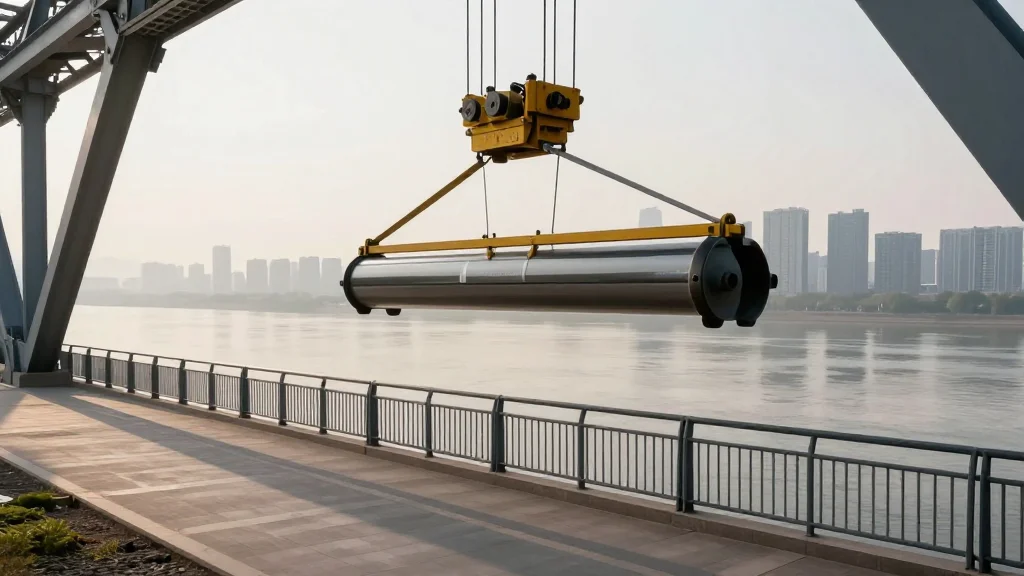
Balfour Beatty Vinci to Begin Work on New HS2 Viaduct
Why It Matters
The replacement upgrades a critical road‑rail‑canal crossing, enabling HS2 to progress while improving local multimodal connectivity and safety. It demonstrates how large‑scale rail infrastructure can be integrated into dense urban environments with minimal disruption.
Key Takeaways
- •Saltley Viaduct closed May 10 for 18‑month replacement.
- •New bridge 2 m taller, 4.5 m wider for cyclists and pedestrians.
- •Construction uses on‑site fabricated sections and heavy‑lift transporters.
- •Diversion routes rely on Aston Church Road overbridge and canal pontoon.
- •Rail services between Birmingham and Derby disrupted two weekends.
Pulse Analysis
The Saltley Viaduct project illustrates the engineering ingenuity required to weave the high‑speed HS2 line through Birmingham’s congested core. By raising the road deck two metres and widening it for active‑travel users, Balfour Beatty Vinci creates a dual‑purpose corridor that accommodates both the new railway and growing demand for safe cycling and walking routes. The use of Self‑Propelled Modular Transporters to slide pre‑assembled steel sections into place cuts on‑site construction time, a crucial advantage in a space‑constrained environment surrounded by a busy rail line, a canal and the River Rea.
Local commuters and businesses will feel the impact of carefully staged closures, but the project's meticulous planning aims to keep disruptions short and predictable. The Aston Church Road overbridge, opened earlier this year, serves as the primary diversion for road traffic, while a temporary pontoon maintains canal navigation. Two weekend rail service interruptions between Birmingham and Derby have been scheduled, and the Canal & River Trust is coordinating a narrowboat detour. These measures balance the immediate inconvenience against the long‑term benefit of a more resilient transport network that integrates road, rail and waterway assets.
Beyond Birmingham, the Saltley Viaduct replacement sets a precedent for future high‑speed rail projects across the UK. It showcases how extensive utility relocation, modular construction techniques, and stakeholder collaboration can mitigate the challenges of building in dense urban fabrics. The successful delivery of this 18‑month programme will reinforce confidence among investors and policymakers that ambitious infrastructure upgrades can be achieved without crippling city life, paving the way for the next phase of HS2 and similar megaprojects nationwide.
Balfour Beatty Vinci to begin work on new HS2 viaduct
Comments
Want to join the conversation?
Loading comments...