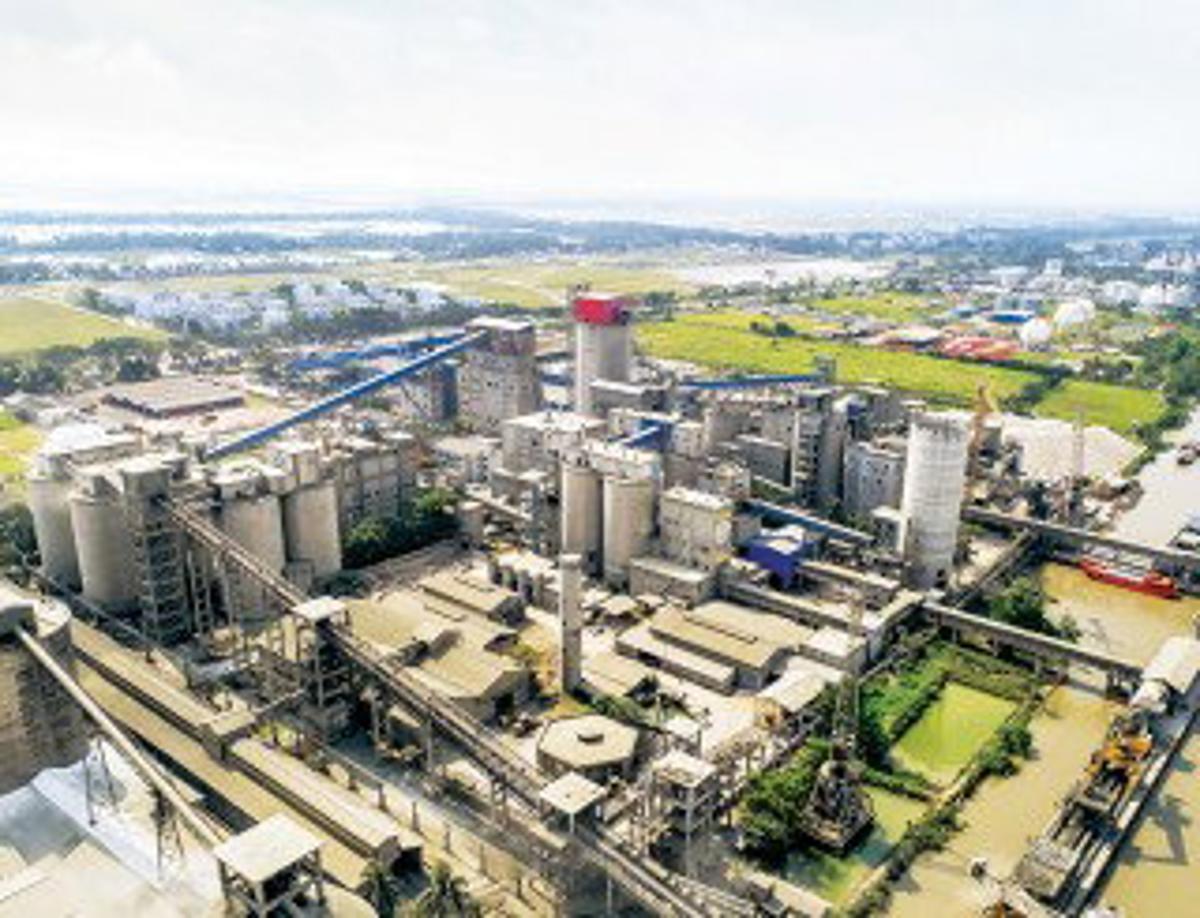
Bangladesh Cement Industry Seeks Major Tax Reforms to Combat Slump
Why It Matters
Tax reductions could lower cement costs, revive construction activity, and prevent under‑utilisation of a $1.2 billion capacity sector, supporting Bangladesh’s broader economic recovery.
Key Takeaways
- •Association seeks flat BDT 500/tonne clinker duty (~US$40.65).
- •Machinery spare‑parts duty proposed to drop from 25% to 1%.
- •Advance income tax on raw materials targeted at 0.5% rate.
- •10% limestone supplementary duty called for complete removal.
- •Utilisation fell to 40 Mt in 2025, half capacity.
Pulse Analysis
Bangladesh’s cement sector, once a pillar of the country’s infrastructure push, now faces a stark capacity mismatch. Installed plants can produce roughly 100 million tonnes annually, yet utilisation slipped to just 40 million tonnes in 2025, driven by soaring interest rates, a slowdown in private construction, and lingering effects of global supply chain shocks. The under‑used capacity represents an estimated $1.2 billion in idle assets, pressuring manufacturers to seek fiscal relief to stay viable.
The association’s tax blueprint targets the most costly inputs. Replacing the 15% customs duty on clinker with a flat BDT 500 per tonne (≈US$40.65) would shave roughly $30‑$40 per tonne off production costs, aligning Bangladesh more closely with regional peers such as India and Vietnam, where duty rates are lower. Cutting machinery spare‑parts duty to 1% and slashing advance income tax on raw materials to 0.5% further reduces cash‑flow strain, while eliminating the 10% supplementary duty on limestone removes a long‑standing price premium on a key raw material. Collectively, these measures could lower cement prices by 5‑7%, making projects more affordable.
If the budget adopts these cuts, the ripple effects could be significant. Lower cement costs would likely stimulate residential and commercial building activity, a sector that accounts for roughly 30% of Bangladesh’s GDP. Revived demand would encourage manufacturers to ramp up production, improving utilisation rates and preserving jobs. Moreover, a healthier cement industry strengthens the supply chain for related sectors—steel, logistics, and engineering—bolstering overall economic momentum. Policymakers, however, must balance revenue considerations with the need to sustain a strategic industry that underpins the nation’s growth trajectory.
Bangladesh cement industry seeks major tax reforms to combat slump
Comments
Want to join the conversation?
Loading comments...