Beijing Builder in Final Two for Hobart’s $1.13B Timber Stadium
Companies Mentioned
Why It Matters
The bid pits a Chinese state‑owned builder against a European‑Australian consortium, highlighting geopolitical sensitivities in Australia’s high‑profile infrastructure market, while the stadium’s timber‑roof innovation could set new standards for sustainable stadium design.
Key Takeaways
- •Constructure JV and BESIX Watpac shortlisted for $1.13B stadium.
- •Roof will be world’s largest timber dome, costing $160M AUD.
- •Federal government pledged $240M AUD, ~USD 158M, to the project.
- •Opening slated for 2031, risking AFL funding termination clause.
- •Project pits Chinese state‑owned firm against European‑Australian consortium.
Pulse Analysis
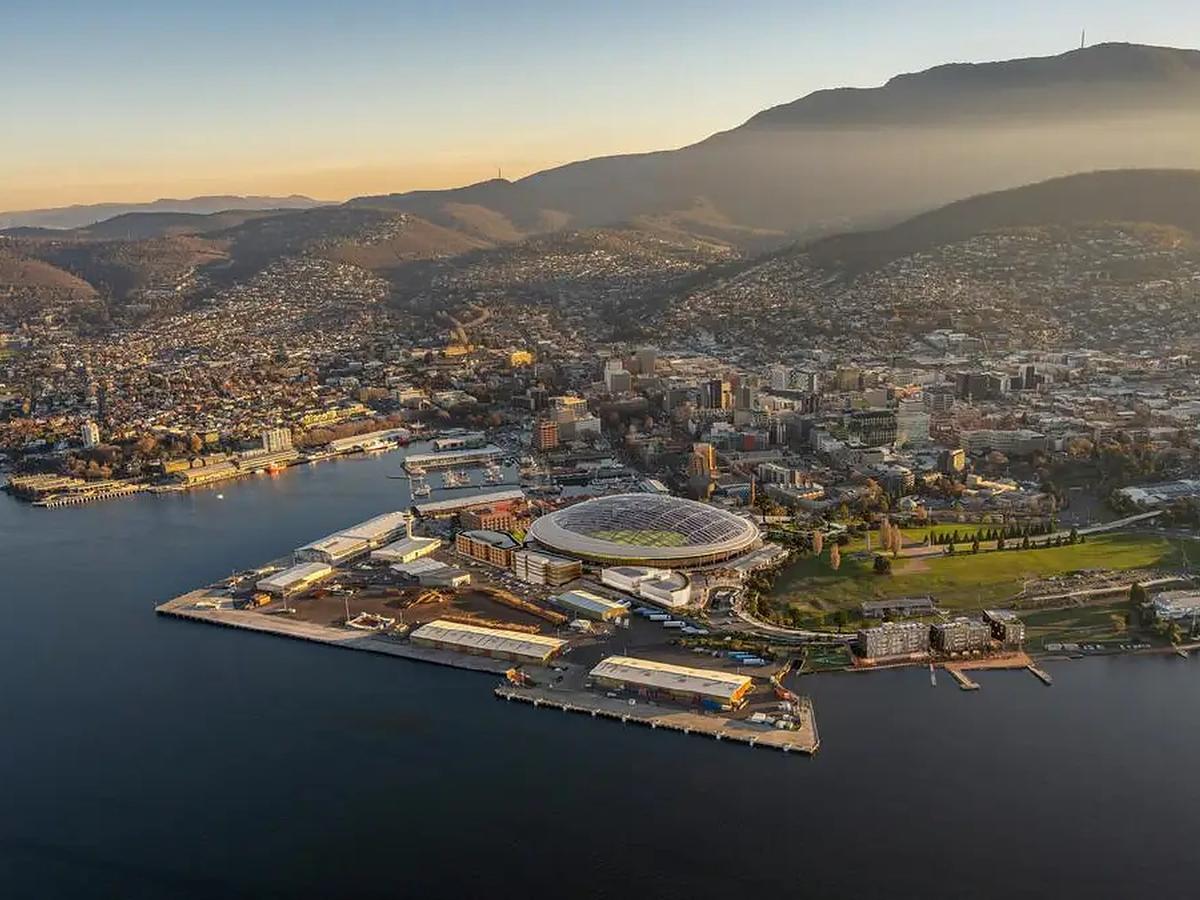
The Macquarie Point stadium in Hobart is shaping up to be a landmark project for both Australian sport and sustainable architecture. With a total budget of roughly A$1.13 billion (about US$750 million), the venue will house 23,000 spectators and boast a 190‑metre fixed dome constructed from locally sourced glulam, clad in translucent ETFE. The roof, slated to cost A$160 million (≈US$105 million), will become the world’s largest timber‑covered stadium roof, showcasing the growing viability of engineered timber in large‑scale construction.
Two consortia are vying for the contract: the Webuild‑led Constructure Joint Venture, which includes China Construction Oceania, and BESIX Watpac, the Australian arm of Belgian group BESIX. The involvement of a Chinese state‑owned subsidiary has drawn political attention, as officials weigh the benefits of a deep‑pocket, internationally experienced partner against concerns about foreign influence. Meanwhile, Tasmania’s government worries the project may be eclipsed by Queensland’s faster‑moving Brisbane 2032 Olympic stadium plans, underscoring the competitive landscape for tier‑one construction firms across Australia.
Funding and timing present additional challenges. The federal government has committed A$240 million (≈US$158 million), but a termination clause in the AFL funding agreement could be triggered if the stadium is not operational by the end of 2030, even though the current schedule targets a 2031 opening. With a contract award expected by late 2026, the winning bidder will have under four years to deliver a complex, timber‑intensive structure. Success could cement Tasmania’s reputation for innovative, eco‑friendly infrastructure, while any delay may prompt a reassessment of large‑scale timber projects in the region.
Beijing Builder in Final Two for Hobart’s $1.13B Timber Stadium
Comments
Want to join the conversation?
Loading comments...