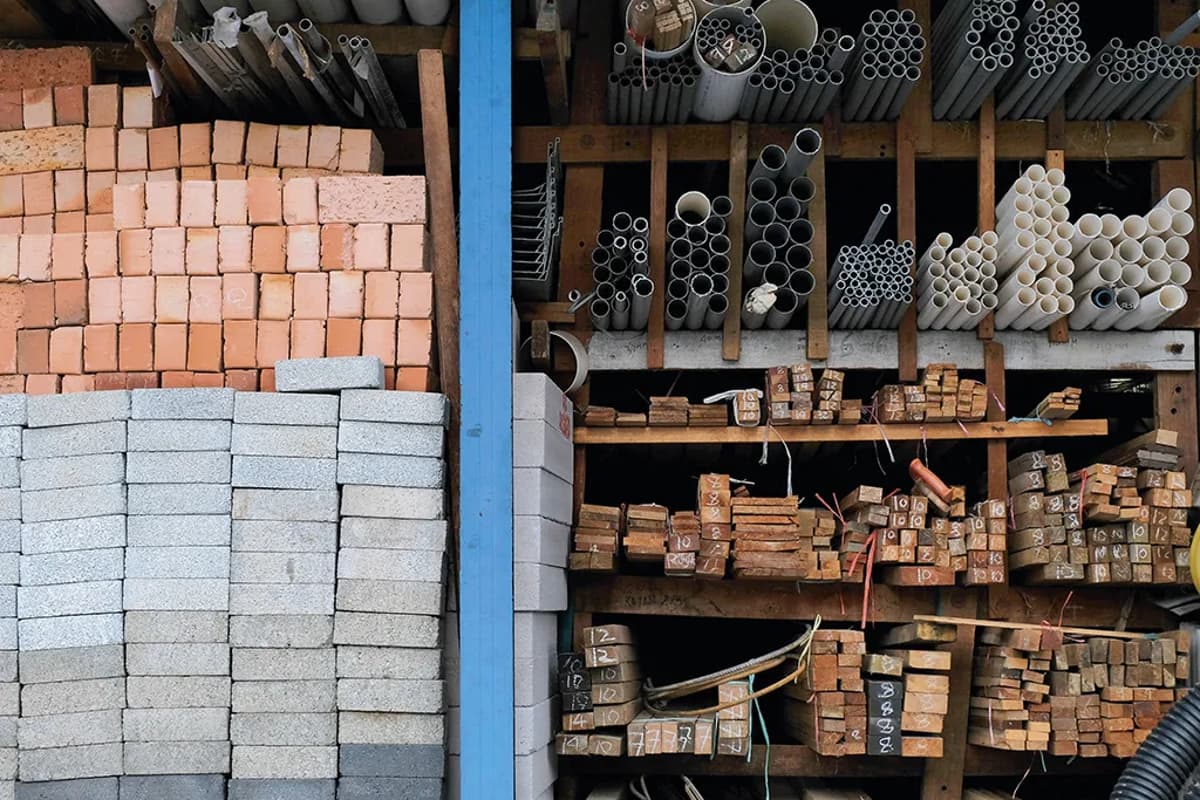
Brick and Block Deliveries Fall as Material Costs Rise
Why It Matters
The slowdown signals weakening housing demand and rising input costs, squeezing construction margins and prompting calls for government support.
Key Takeaways
- •Brick deliveries down 3.6% YoY, 119 million units in March.
- •Concrete block deliveries fell 3.3% YoY, despite 6% monthly rise.
- •Ready‑mixed concrete sales plunged 16.4% YoY in Q4 2025.
- •Construction material price index rose 2.6% YoY, driven by gravel and steel.
- •MPA urges targeted government aid to curb construction cost pressures.
Pulse Analysis
The latest figures from the UK Department for Business and Trade reveal a clear contraction in core building‑material volumes. Brick deliveries slipped 3.6 percent year‑on‑year in March 2026, totaling 119 million units—just shy of the 12‑month average. Concrete block shipments fell 3.3 percent over the same period, even though both categories posted modest 6 percent month‑on‑month gains, suggesting a temporary rebound that masks broader weakness. The decline mirrors a 16.4 percent plunge in ready‑mixed concrete sales for the final quarter of 2025 and a 7.9 percent drop in sand and gravel sales, underscoring subdued demand across the construction pipeline.
Compounding the volume shortfall is an accelerating surge in material costs. The construction material price index rose 2.6 percent year‑on‑year in March, driven largely by an 8.4 percent increase in gravel, sand, clays and kaolin, and an 8.2 percent jump in fabricated structural steel. By contrast, reinforcing bar prices fell 7.1 percent, offering a rare reprieve. Higher input prices erode profit margins for builders already grappling with weaker house‑building activity, prompting contractors to defer projects or renegotiate contracts to preserve cash flow.
Industry groups such as the Minerals Products Association are pressing the government for targeted relief, arguing that persistent cost inflation threatens the sector’s viability. Potential interventions include temporary tax rebates on high‑cost aggregates, streamlined planning approvals to accelerate build‑out, and subsidies for low‑carbon material alternatives. Analysts warn that without policy support, the slowdown could deepen, feeding a feedback loop of reduced starts and further price pressures. Monitoring upcoming fiscal measures will be crucial for investors tracking construction‑related equities and for suppliers positioning themselves in a tightening market.
Brick and block deliveries fall as material costs rise
Comments
Want to join the conversation?
Loading comments...