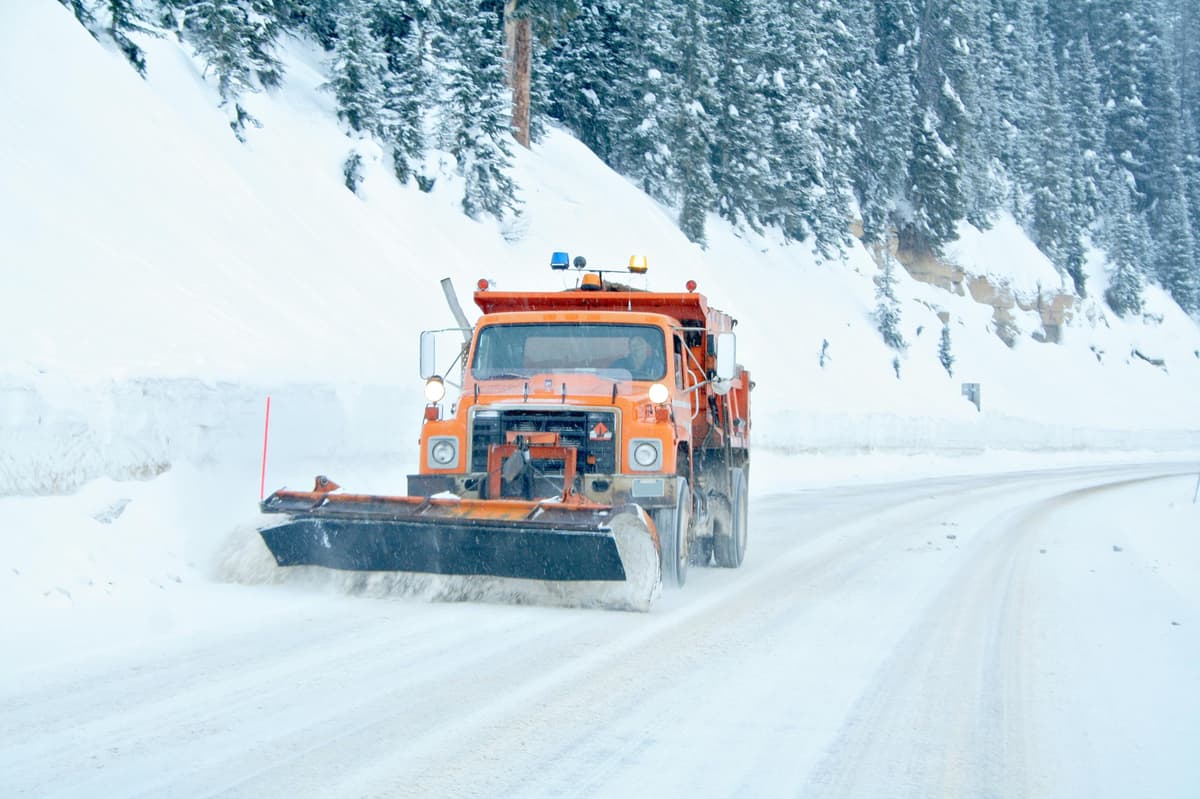
Brutal Winter Tested Budgets and Project Timelines
Why It Matters
The winter’s supply‑chain choke points and budget overruns force construction firms and municipalities to reassess scheduling, cost controls, and resilience strategies, directly affecting project profitability and infrastructure readiness.
Key Takeaways
- •Record snowfall up to 3 ft in New England halted material deliveries.
- •State travel bans caused 48‑96‑hour freight delays across six states.
- •Winter shutdowns added measurable costs for concrete and asphalt work.
- •Snow‑removal budgets exhausted early, with one city spending 46% of $1.21 M.
- •Weight restrictions in Michigan and South Dakota limited heavy‑load transport.
Pulse Analysis
The February 2026 blizzard, dubbed Winter Storm Hernando, shattered regional snowfall records, with Providence, R.I., receiving nearly 38 inches and Boston over 17 inches. Such depth overwhelmed road networks, prompting states from Massachusetts to New Jersey to impose commercial‑vehicle bans. Freight corridors that normally move construction inputs were shuttered, creating 48‑96‑hour delays that rippled through supply chains, forcing contractors to scramble for alternative routes or defer deliveries. This logistical bottleneck highlighted the vulnerability of just‑in‑time material strategies in extreme weather scenarios.
Construction sites responded with a mix of rapid snow‑clearance and strategic schedule shifts. While many crews could resume work within hours, cold‑weather concrete pours demanded additional heating and protection, inflating labor and material costs. Contractors leaned on winter‑shutdown windows to focus on non‑weather‑sensitive tasks such as demolition and pile driving, yet early‑season pothole surges and freeze‑thaw damage diverted crews and equipment to emergency repairs. The cumulative effect was a measurable uptick in project overheads and tighter downstream timelines, especially where weight restrictions in Michigan and South Dakota limited heavy‑load movements.
Municipalities felt the fiscal sting most acutely. In Massachusetts, a city burned through 46% of its $1.21 million snow‑removal budget by early January, overspending by $960,000 and tapping reserve funds. Similar budgetary pressures emerged across the Northeast, prompting appeals for rainy‑day reserves and federal aid. With snow‑removal coffers depleted, agencies now face a trade‑off between maintaining winter safety and preserving funds for summer road maintenance and bridge rehabilitation. The experience underscores the need for more resilient budgeting, diversified supply routes, and climate‑adaptive construction planning to mitigate future weather‑driven disruptions.
Brutal Winter Tested Budgets and Project Timelines
Comments
Want to join the conversation?
Loading comments...