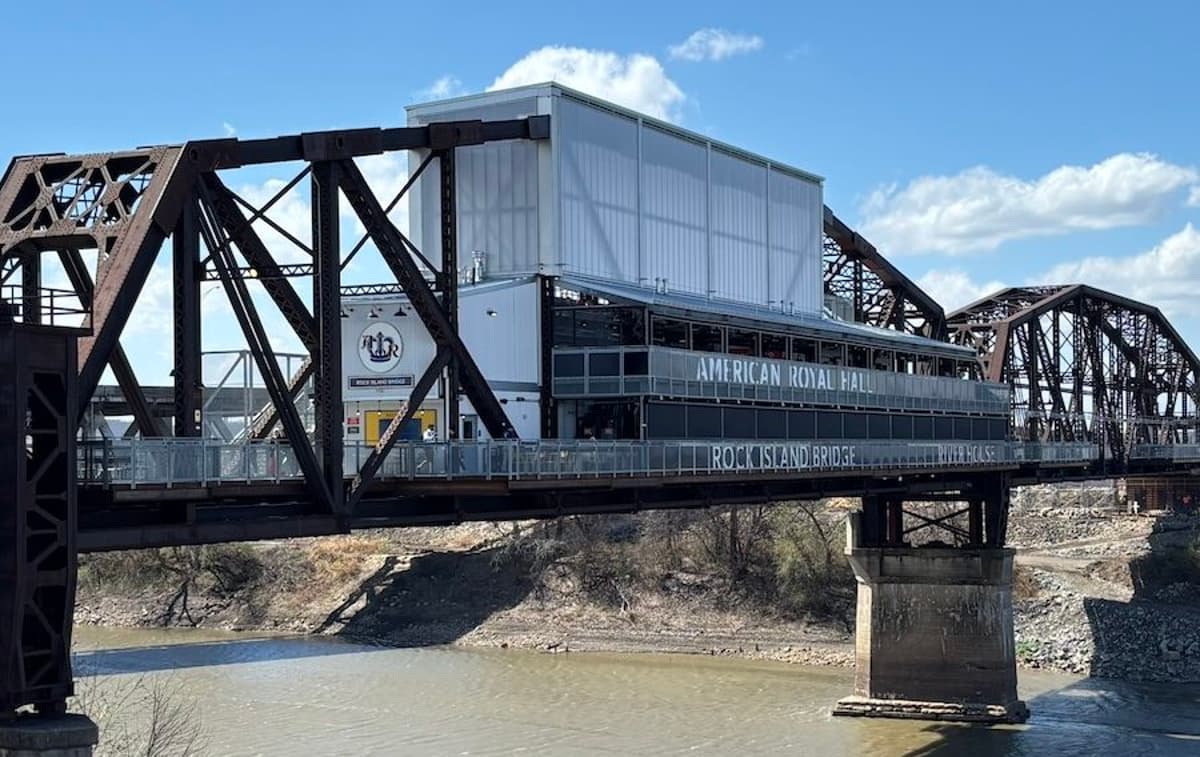
Buffered By Steel, Concrete and Collaboration, a Railroad Bridge Becomes a Kansas City Public Gathering Space
Why It Matters
Adaptive reuse of the Rock Island Bridge showcases how legacy infrastructure can generate economic activity and community cohesion, setting a model for other cities seeking sustainable urban revitalization.
Key Takeaways
- •Rock Island Bridge repurposed as Kansas City public gathering venue
- •Project combines steel reinforcement, concrete decking, and community design
- •Decade‑long effort led by local advocate Mike Zeller
- •Collaboration involves city officials, engineers, and private partners
- •Adaptive reuse expected to boost tourism and local economy
Pulse Analysis
Across the United States, cities are reimagining obsolete infrastructure as vibrant public assets, a trend that blends sustainability with economic development. Converting disused rail lines, tunnels, and bridges into parks, walkways, and event spaces reduces demolition waste while delivering new amenities. Projects like New York’s High Line and Chicago’s 606 have demonstrated that such adaptive reuse can attract tourism, increase nearby property values, and foster a sense of place. The Kansas City initiative follows this playbook, leveraging the structural robustness of an old railroad bridge to create a multifunctional civic platform.
The Rock Island Bridge, built in the early 1900s, has long been a dormant silhouette over the Kansas River. Zeller’s vision began in 2007, evolving from whimsical ideas such as a floating restaurant to a concrete‑decked promenade supported by modern steel reinforcement. Funding and design input now come from a coalition of municipal agencies, engineering firms, and private investors who see the bridge as a catalyst for riverfront activation. The construction plan retains historic elements while integrating safety upgrades, lighting, and modular event infrastructure, ensuring the bridge meets contemporary code without erasing its industrial heritage.
Once opened, the bridge is poised to become a year‑round magnet for locals and visitors alike, hosting markets, concerts, and fitness classes. By drawing foot traffic to the river corridor, the project is expected to spur ancillary development—restaurants, boutique hotels, and retail—thereby expanding the city’s tax base. Moreover, the public space offers a tangible example of how infrastructure can be repurposed to address urban livability challenges, encouraging other municipalities to explore similar conversions as part of broader resilience and placemaking strategies.
Buffered By Steel, Concrete and Collaboration, a Railroad Bridge Becomes a Kansas City Public Gathering Space
Comments
Want to join the conversation?
Loading comments...