Why It Matters
Escalating construction costs erode profit margins, risk large‑scale layoffs and jeopardize Victoria’s housing supply targets, prompting urgent calls for regulatory relief.
Key Takeaways
- •Half of surveyed builders report 6‑10% cost rise since conflict.
- •63% stuck in fixed‑price contracts, can't recoup higher expenses.
- •Apprentices face layoffs as firms cut staff to curb costs.
- •Bitumen and asphalt prices up 30‑50% nationwide.
- •Victoria's 80,000‑home annual target jeopardized by material surges.
Pulse Analysis
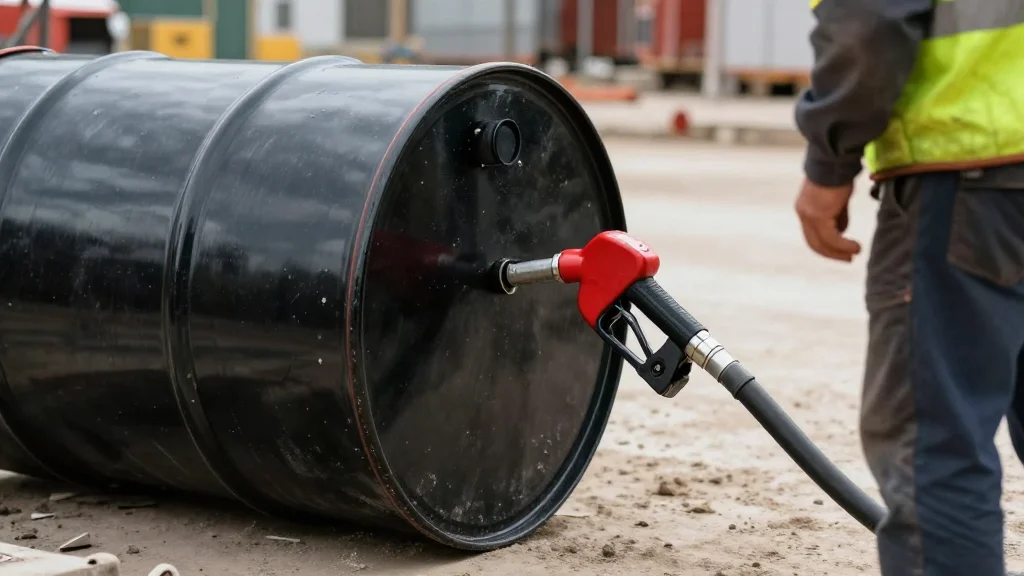
The ongoing conflict in Iran has sent global fuel prices soaring, a shock that quickly filtered through Australia’s construction supply chain. Diesel‑dependent inputs such as bitumen, asphalt and concrete have surged between 30 and 50 percent, while ancillary materials like aluminium cladding and steel have risen 5‑10 percent. In Victoria, where the building sector accounts for roughly 8.4 percent of the workforce, these price spikes translate into immediate cash‑flow strains for contractors operating under tight margins.
Builders are now caught between rising expenses and fixed‑price contracts that forbid cost‑pass‑through clauses for most residential projects under $500,000. The Master Builders Victoria survey reveals that 63 percent of firms cannot adjust prices, forcing them to absorb higher fuel, material and insurance costs. Consequently, many are trimming staff, with apprentices—critical to the industry’s future skills pipeline—identified as the first to go. The financial squeeze also threatens the state’s ambitious housing agenda; delivering 80,000 new homes a year is increasingly unrealistic without policy intervention.
Industry leaders are urging the Victorian government to introduce cost‑escalation protections, extend timelines on public projects, and ease regulatory burdens. Such measures could provide the breathing room needed to sustain employment, preserve apprenticeship pathways, and keep housing supply on track. Absent relief, the sector risks a slowdown that would ripple through related industries, dampen construction‑related GDP growth, and exacerbate the nation’s broader housing affordability challenges.
Builders face surging costs from Iran War
Comments
Want to join the conversation?
Loading comments...