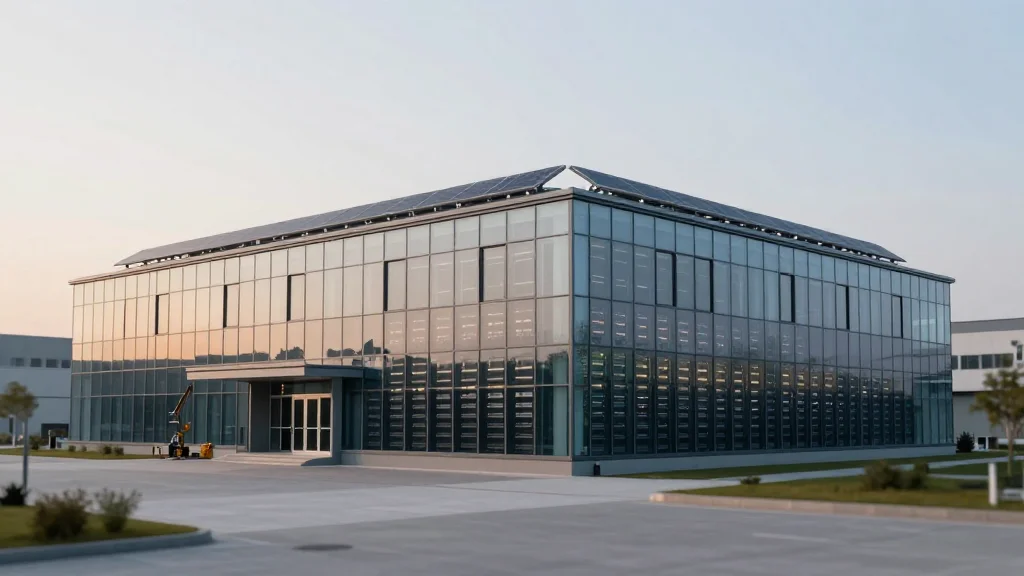
Building for Demand: Power and Adaptability in Data Centres
Why It Matters
MV cable choices directly affect a data centre’s operational risk, cost efficiency and ability to scale with evolving AI workloads, making them a strategic asset in a sector defined by reliability.
Key Takeaways
- •AI workloads push EU data centres beyond 150 MW capacities
- •MV cable specs must match climate, moisture, and flood risks
- •Early safety and fire compliance cuts later commissioning delays
- •Future‑proof cable design adds headroom for rising power density
- •Supply‑chain lead times force early cable selection to avoid rework
Pulse Analysis
The European data‑centre boom is being propelled by artificial‑intelligence applications that consume unprecedented amounts of electricity. As facilities grow from tens to hundreds of megawatts, the once‑standard medium‑voltage cable is becoming a linchpin for power delivery. Operators must evaluate thermal performance, moisture resistance and mechanical protection to match site‑specific conditions—from hot, sun‑exposed rooftops to flood‑prone basements—ensuring that the infrastructure can sustain continuous operation without degradation.
Regulatory scrutiny has intensified as data centres are classified as critical infrastructure. Fire‑performance standards, CPR classifications and rigorous testing regimes now dictate cable selection and installation practices. Early alignment with these safety requirements reduces commissioning bottlenecks and mitigates the risk of costly retrofits. Moreover, integrating environmental considerations at the outset enables designers to choose cable routes and protection methods that will not become constraints as power density climbs.
Supply‑chain dynamics add another layer of complexity. Extended lead times for high‑specification electrical components mean that cable decisions cannot be deferred to later project phases. By engaging cable manufacturers early, developers secure the necessary headroom for future capacity upgrades and avoid disruptive interventions after construction. This proactive approach not only safeguards uptime but also positions operators to respond swiftly to the accelerating pace of AI‑driven demand, reinforcing the competitive edge of Europe’s data‑centre ecosystem.
Building for demand: power and adaptability in data centres
Comments
Want to join the conversation?
Loading comments...