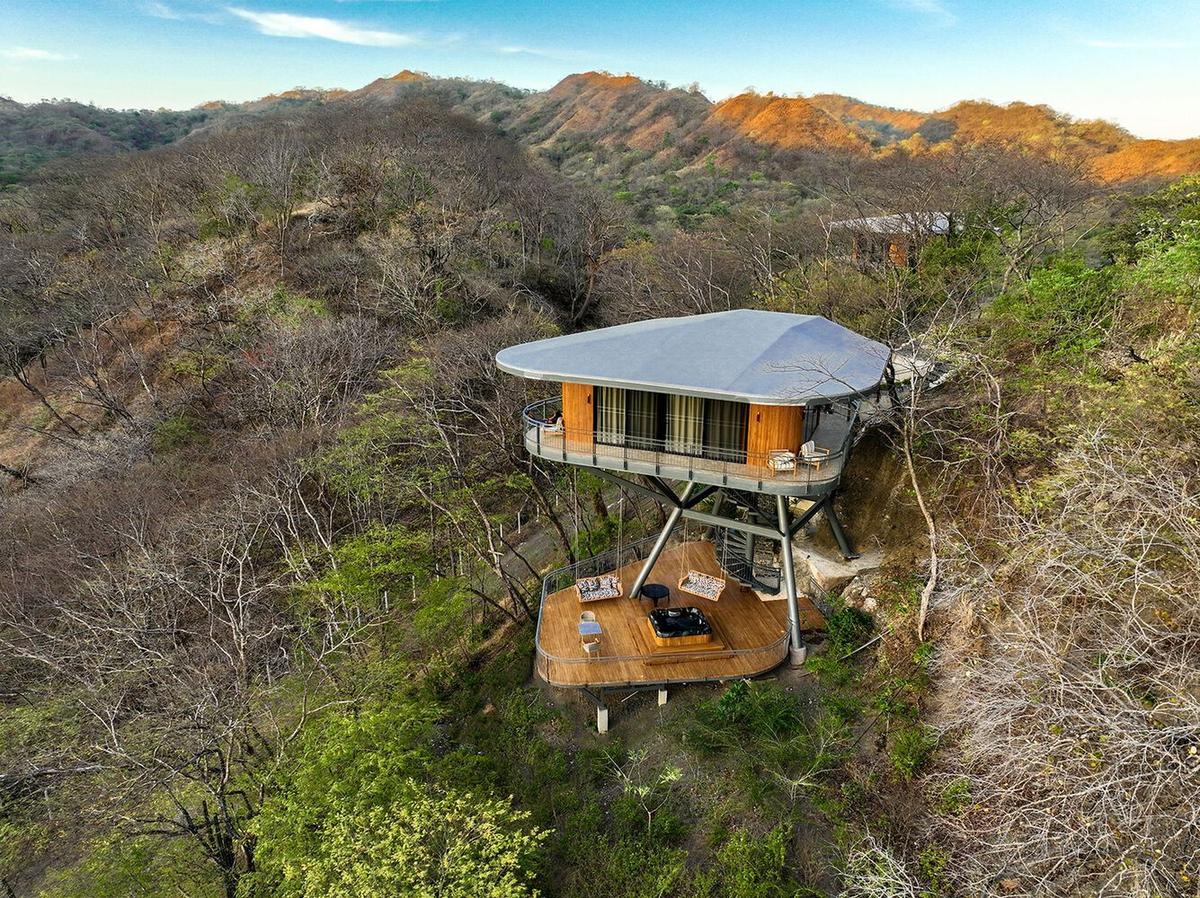
Building with the Landscape: Non-Invasive Design Strategies for Steep Terrain
Why It Matters
Minimizing excavation reduces environmental impact and construction costs, making steep‑site projects financially viable and sustainable. The shift reshapes how the architecture industry addresses climate‑driven resource constraints.
Key Takeaways
- •Point loading uses minimal footings, preserving slope stability
- •Stepped designs turn each level into a retaining surface
- •Bridges and cantilevers span obstacles, eliminating earth‑moving
- •Vertical cores stack programs, reducing footprint on steep sites
- •Fragmented clusters distribute structures, improving cost efficiency and ecology
Pulse Analysis
The rise of non‑invasive architecture reflects a broader industry response to climate change and resource scarcity. Traditional cut‑and‑fill methods destabilize slopes, increase runoff, and inflate budgets, prompting designers to seek alternatives that respect topography. By treating the terrain as a structural partner rather than an obstacle, architects can lower embodied carbon, shorten construction timelines, and meet increasingly stringent environmental regulations.
Five distinct strategies have emerged as a toolkit for steep‑site development. Point loading concentrates loads on a few piers, allowing the ground to remain largely untouched. Stepped cascades integrate each floor with the natural grade, turning the building itself into a series of retaining walls. Bridges and cantilevers span ravines or forests, creating suspended spaces that avoid any ground disturbance. Vertical cores compress programs into narrow towers, minimizing footprints, while fragmented clusters disperse functions across multiple small volumes, adapting to pockets of stable ground and often delivering lower overall costs. Projects such as the Flotanta House, Bridge House, and Tower House illustrate these concepts in practice.
For developers and investors, these methods translate into tangible financial upside. Reduced earth‑moving cuts labor and equipment expenses, while the unique aesthetic appeal of site‑responsive design can command premium market values. Moreover, regulatory bodies are increasingly rewarding low‑impact construction with faster permitting and tax incentives. As the portfolio of successful case studies expands, non‑invasive design is likely to become a competitive differentiator, shaping the next generation of resilient, sustainable architecture.
Building with the Landscape: Non-Invasive Design Strategies for Steep Terrain
Comments
Want to join the conversation?
Loading comments...