Burning Paper Mill Waste Could Be Europe’s Fix for Timber Treatment
Why It Matters
By turning a low‑value waste stream into a non‑toxic wood preservative, the technology offers a circular‑economy solution that could safeguard European soils and waterways while meeting upcoming regulatory bans on copper biocides.
Key Takeaways
- •Hyperlignification uses 15% EU lignin to replace copper preservatives.
- •Lab tests cut fungal decay from 50% to 1% in treated wood.
- •EU aims to ban wood biocides by 2030, affecting 6.5M m³ market.
- •Innovation Fund Denmark grant equals ~$2.2 million for scaling process.
- •Frøslev to supply commercial hyperlignified timber before 2030 deadline.
Pulse Analysis
The European Union produces roughly 1 million tonnes of lignin each year as a by‑product of paper manufacturing, most of which is currently incinerated. With the EU’s 2030 biocide directive set to prohibit copper‑based preservatives, the 6.5 million cubic‑metre pressure‑treated timber market faces a looming supply gap. Converting this abundant lignin into a wood‑preserving agent not only addresses a waste‑management challenge but also aligns with the bloc’s circular‑economy goals. Researchers at the University of Copenhagen, backed by a DKK 15.5 million (≈$2.2 million) Innovation Fund grant, are positioning lignin as a sustainable alternative.
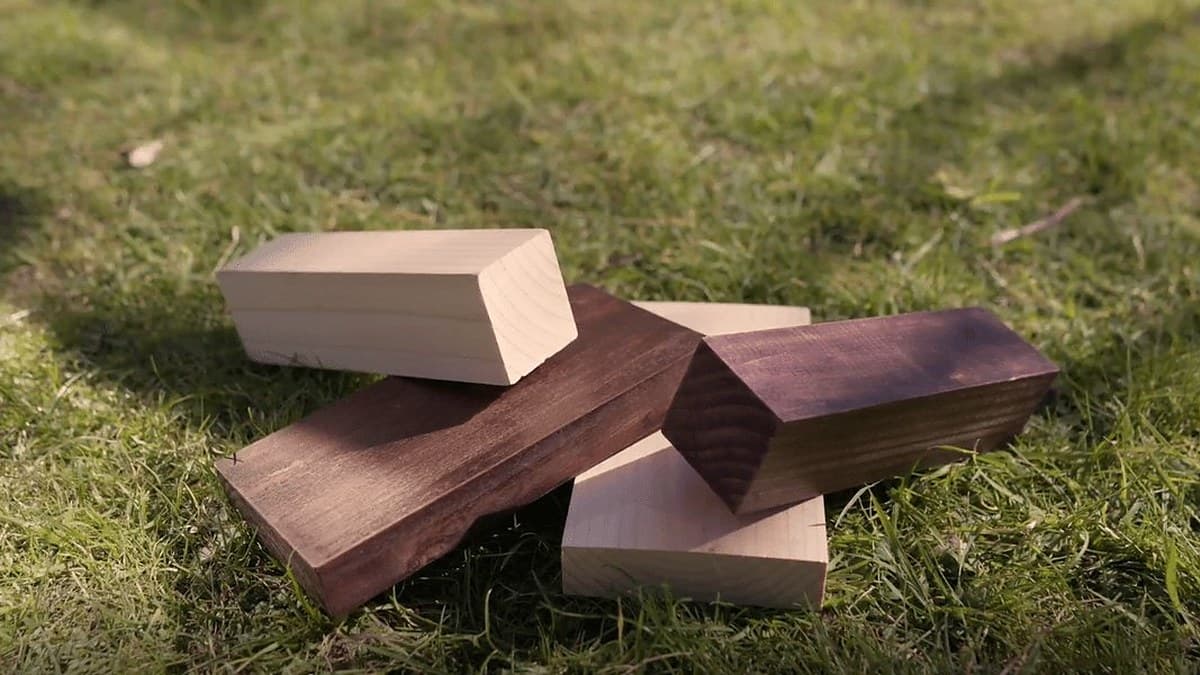
The patented “hyperlignification” process dissolves lignin in high‑concentration alcohol solutions and forces the mixture deep into timber under pressure. Laboratory trials on pine and beech showed a dramatic reduction in fungal decay, from 50 % mass loss in untreated wood to just 1 % in hyperlignified samples, while also cutting water uptake. Unlike traditional copper treatments, the lignin coating is non‑toxic, eliminating heavy‑metal leaching into soils and waterways. The technique leverages existing pulp‑mill supply chains, requiring only modest modifications to existing timber‑pressurisation equipment.
Commercial rollout is being accelerated through a partnership with Frøslev, Denmark’s largest construction‑grade timber supplier, which will pilot the product ahead of the 2030 deadline. If the projected 15 % share of EU lignin can replace copper preservatives, the industry could save billions of euros in biocide costs while meeting stricter environmental standards. The initiative also illustrates how academic‑industry collaborations can translate waste streams into high‑value commodities, reinforcing Europe’s leadership in green construction materials. Stakeholders from timber producers to regulators will be watching the HYPERLIGNO project as a potential blueprint for sustainable wood treatment worldwide.
Burning Paper Mill Waste Could Be Europe’s Fix for Timber Treatment
Comments
Want to join the conversation?
Loading comments...