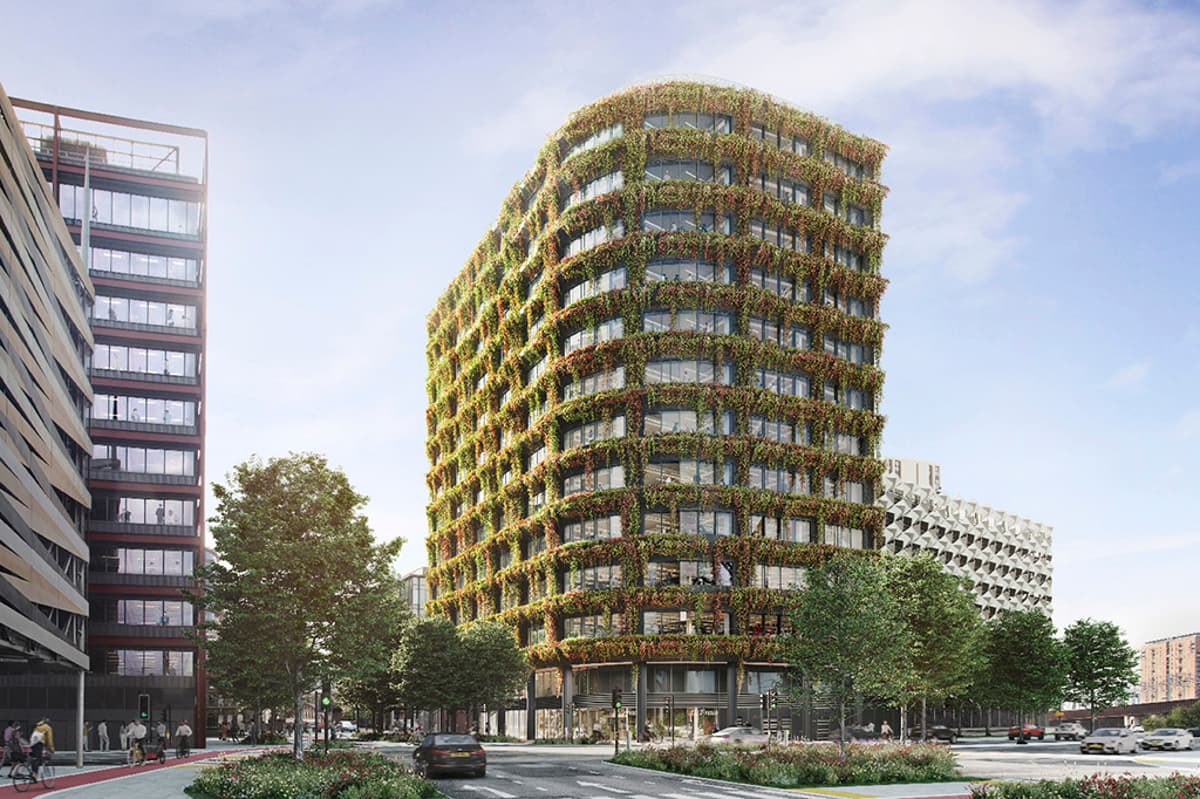
Call to Name Living Walls as ‘Green Infrastructure’ in Planning Guidelines
Why It Matters
Recognising living walls as green infrastructure would streamline approvals and unlock vertical greening in dense urban sites, advancing the UK’s climate‑resilience and biodiversity targets.
Key Takeaways
- •Living walls improve air quality, reduce runoff, and boost urban biodiversity.
- •Recognition as green infrastructure would give planners consistent evaluation criteria.
- •Vertical greening unlocks façade space where ground‑level planting is impossible.
- •Inclusion requires no new powers, funding, or regulatory burden.
- •Maintenance responsibility remains with owners, as neglect can cause plant death.
Pulse Analysis
Living walls have moved from niche architectural features to a mainstream sustainability tool, delivering measurable improvements in air quality, storm‑water management and urban biodiversity. Their vertical nature makes them especially valuable in compact cityscapes where ground‑level green space is scarce. By urging the Ministry of Housing, Communities and Local Government to embed these systems in the National Planning Policy Framework, industry leaders aim to align policy language with the practical benefits already demonstrated in projects like Eden at New Bailey.
If the revised NPPF formally lists living walls under green infrastructure, planners will have a clear, legally recognised category to assess proposals. This could accelerate approvals for developers seeking to meet the UK’s net‑zero and nature‑recovery goals, while giving local authorities a ready‑made metric for climate‑resilience, air‑quality and biodiversity objectives. The change would also help cities maximize façade potential, turning otherwise inert surfaces into productive ecosystems without requiring new powers or additional public spending.
The push for policy inclusion does not erase the operational challenges of vertical greening. Maintenance remains a critical factor; neglect can quickly turn a thriving wall into a dead plant façade, as highlighted by The Architects’ Journal. However, manufacturers and consultants are developing modular, low‑maintenance systems and service contracts to mitigate risk. As the regulatory environment evolves, the market for living‑wall solutions is poised for growth, offering architects, developers and municipalities a scalable pathway to meet increasingly stringent environmental standards.
Call to name living walls as ‘green infrastructure’ in planning guidelines
Comments
Want to join the conversation?
Loading comments...