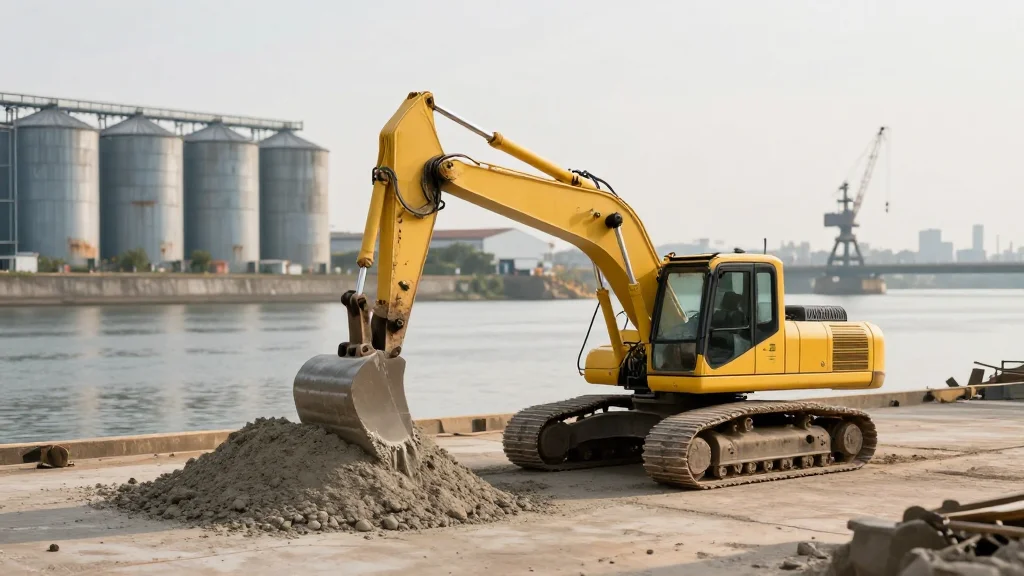
Cement Plant Coming to Port of Memphis
Companies Mentioned
Holcim
HCMLY

Terra
Why It Matters
The project diversifies Memphis’s port portfolio, creating a steady supply chain for construction materials and stimulating regional economic growth.
Key Takeaways
- •$19.7M DOT grant funds cement terminal redevelopment.
- •Project converts dormant grain facility into cementitious material hub.
- •Includes pneumatic barge unload system, storage, and truck transfer.
- •Expected to create construction jobs and permanent positions.
- •Enhances Memphis port’s role in regional construction supply chain.
Pulse Analysis
The U.S. cement market, valued at over $30 billion annually, has long relied on rail and truck networks to move bulk material from production sites to construction zones. Inland ports that can handle high‑volume, low‑cost shipments are increasingly valuable, especially in the Southeast where growth in residential and commercial building outpaces national averages. By adding a dedicated cementitious material terminal, Memphis can capture a share of this logistics demand, reducing reliance on distant coastal facilities and shortening delivery times for regional contractors.
The $19.66 million DOT grant earmarked for the MidSouth Development District will fund a pneumatic barge unloading system, a purpose‑built storage yard, and a seamless truck‑transfer interface. Such infrastructure not only modernizes a previously idle grain silo complex but also creates immediate construction jobs and, more importantly, permanent positions for terminal operators, maintenance crews, and logistics coordinators. Local officials anticipate a ripple effect: ancillary services such as equipment rental, engineering consulting, and material testing firms are likely to spring up around the hub, further embedding the terminal into Memphis’s economic fabric.
Beyond the direct benefits, the terminal signals a strategic shift for U.S. ports toward diversified cargo mixes. Cement and other supplementary cementitious materials (SCMs) are essential for sustainable construction, and a domestic terminal reduces the carbon footprint associated with long‑haul trucking. As the industry pushes for greener building practices, Memphis’s new capability could attract manufacturers of low‑carbon SCMs seeking efficient export pathways. In the longer term, the success of this project may encourage similar investments at other inland ports, reshaping the national supply chain for construction materials.
Cement Plant Coming to Port of Memphis
Comments
Want to join the conversation?
Loading comments...