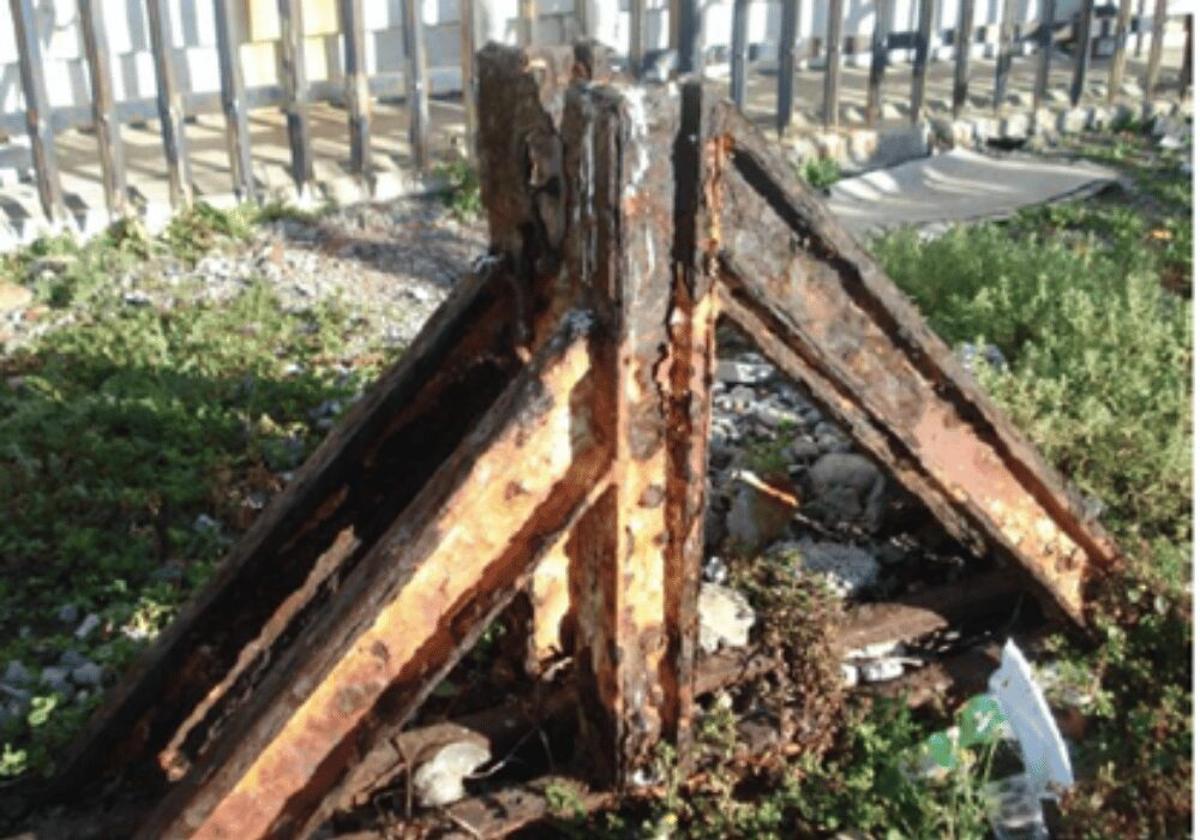
Challenging Conventional Wisdom In Infrastructure
Why It Matters
The durability of 3CR12 challenges the default use of carbon steel, offering infrastructure owners a clear path to reduce long‑term operating costs and environmental impact. Its proven performance reshapes procurement criteria toward total cost of ownership rather than initial price alone.
Key Takeaways
- •3CR12 stainless steel survived 40 years in marine South African rail line
- •Corrosion‑resistant steel reduces maintenance cycles and downtime costs
- •Life‑cycle costing favors higher upfront price for long‑term savings
- •Brown patina on 3CR12 does not indicate structural degradation
- •3CR12 serves as superior substrate, extending coating lifespan
Pulse Analysis
Corrosion remains the Achilles’ heel of global infrastructure, with carbon‑steel components demanding frequent repairs and replacements that run into billions of dollars annually. The South African rail electrification project provides a rare, real‑world experiment: 3CR12, a 12% chromium ferritic stainless steel, was installed in 1982 along a 30‑km coastal line and has been monitored for four decades. Despite exposure to relentless sea spray, the masts retain their original forming marks, proving that a modest alloying shift can halt the relentless progression from rust to perforation.
The economic narrative shifts when life‑cycle costing (LCC) replaces upfront price as the primary decision metric. Although 3CR12’s material cost exceeds that of conventional carbon steel, the alloy eliminates the need for periodic recoating, reduces unplanned outages, and extends service intervals. When downtime is factored—often measured in lost production and safety risks—the total cost advantage becomes compelling. Moreover, the alloy’s inherent corrosion resistance makes it an ideal substrate for protective coatings, further amplifying paint life and minimizing under‑film creep, a common failure mode on carbon steel.
Beyond the balance sheet, 3CR12 aligns with sustainability goals by cutting material waste, lowering greenhouse‑gas emissions associated with manufacturing and transport of replacement parts, and enhancing recyclability. As infrastructure owners worldwide confront tighter ESG mandates, the case study underscores a strategic pivot: prioritize durability and total cost of ownership over short‑term savings. Adoption of corrosion‑resistant alloys like 3CR12 could become a benchmark for resilient, low‑carbon infrastructure in coastal and industrial settings.
Challenging Conventional Wisdom In Infrastructure
Comments
Want to join the conversation?
Loading comments...