Chicago’s Construction Market Buoyed by Infrastructure, Entertainment Builds
Why It Matters
The influx of public and private capital fuels job creation, improves regional mobility, and positions Chicago as a premier hub for construction activity, attracting further investment across sectors.
Key Takeaways
- •Red Line extension adds $5.7B, expanding South Side rail access.
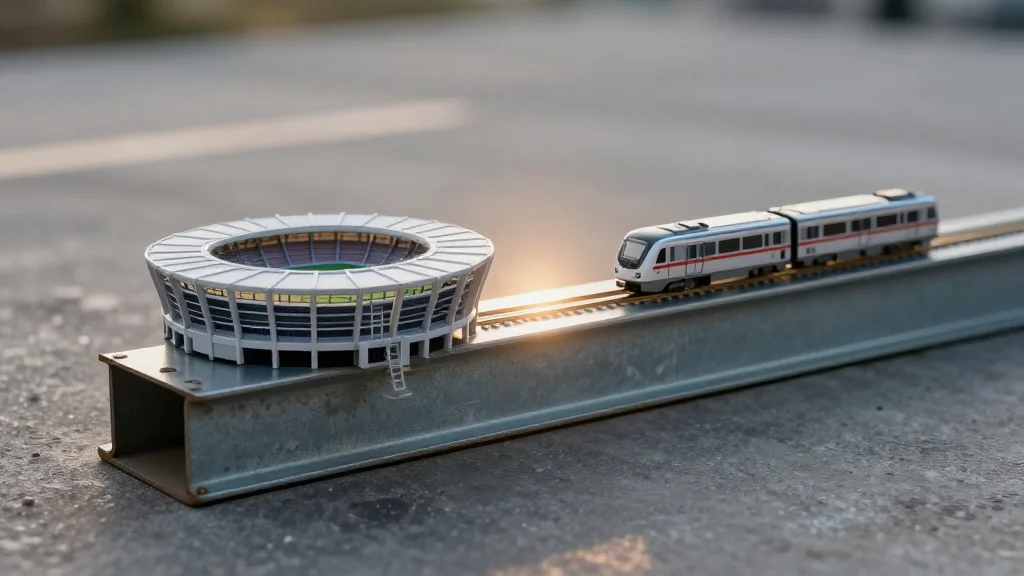
- •Joe Mansueto funds $750M soccer stadium, first major venue in 30 years.
- •DOT ordered to release $2B for CTA rail modernization.
- •Bally's tops out $1.7B casino, adding 500 rooms and theater.
- •Bulley & Andrews acquires ICG, strengthening Chicago interiors market.
Pulse Analysis
Chicago’s construction boom reflects a convergence of federal funding, private capital, and strategic urban planning. The city’s ability to marshal over $10 billion in projects this year underscores a robust pipeline that supports thousands of jobs and stimulates ancillary industries such as engineering, materials supply, and real‑estate development. By leveraging both public‑sector initiatives—like the Red Line extension and O’Hare gate expansion—and private‑sector confidence, Chicago is reinforcing its competitive edge in the national construction landscape.
Infrastructure projects dominate the narrative, with the $5.7 billion Red Line extension delivering rapid transit to the underserved Far South Side, a move expected to boost property values and spur mixed‑use development. Simultaneously, the $2 billion court‑ordered release for CTA rail modernization addresses chronic underinvestment, promising faster, more reliable service that can attract commuters and reduce congestion. The O’Hare Concourse D upgrade, adding 19 gates, expands the airport’s capacity, reinforcing Chicago’s status as a global logistics hub and supporting long‑term economic growth.
Entertainment‑focused construction adds diversification to the market. The $750 million soccer stadium marks the first major professional venue built in Chicago in three decades, signaling confidence in the city’s sports and tourism sectors. Bally’s $1.7 billion casino‑hotel, featuring a 500‑room hotel and 3,000‑seat theater, will generate hospitality jobs and ancillary spending. Meanwhile, Bulley & Andrews’ acquisition of interiors specialist ICG highlights ongoing M&A activity, suggesting firms are consolidating expertise to meet rising demand for high‑end interior work. Together, these developments create a virtuous cycle of investment, employment, and urban revitalization.
Chicago’s construction market buoyed by infrastructure, entertainment builds
Comments
Want to join the conversation?
Loading comments...