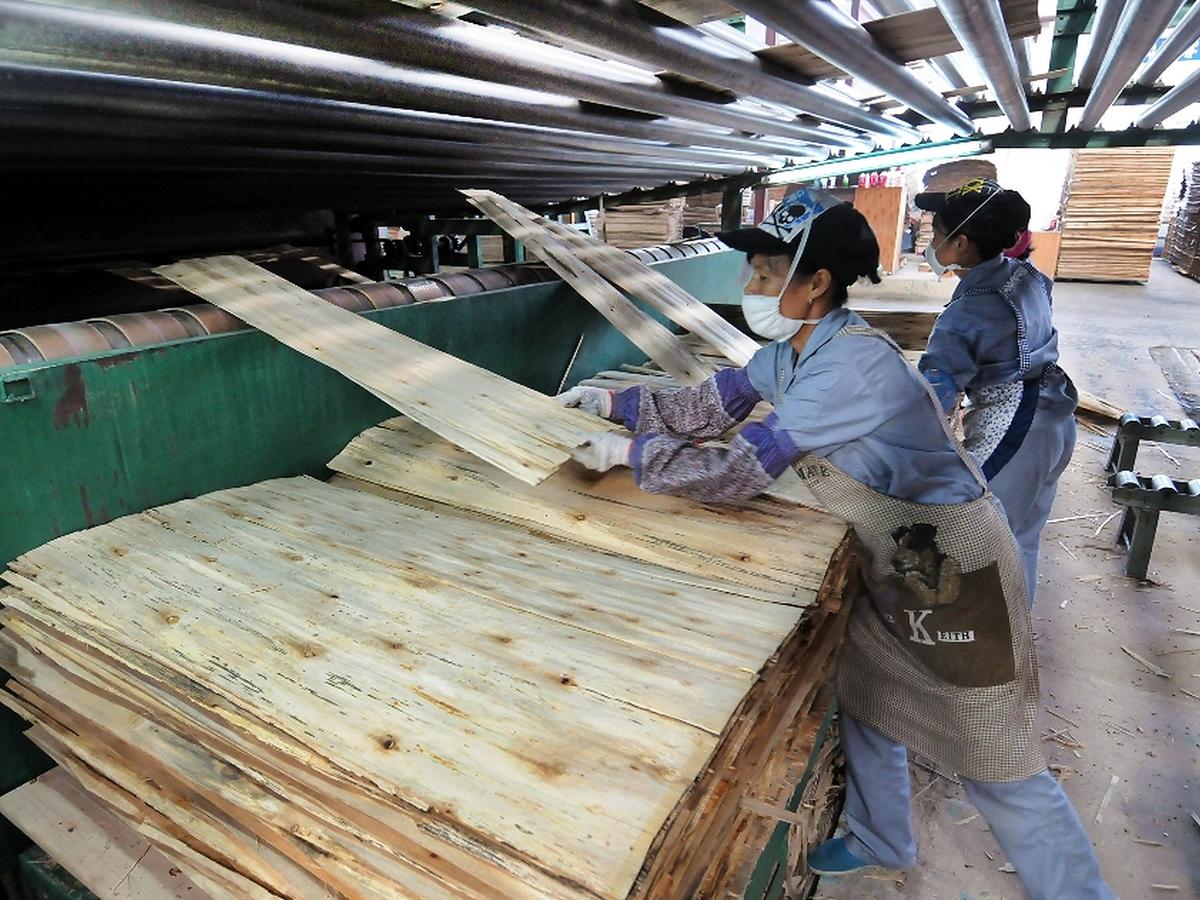
China Makes 70% of Global Plywood. Now It’s Muscling in on South Africa
Why It Matters
The shift threatens local manufacturers' profitability and could turn South Africa from a raw‑log exporter into a processing hub dominated by Chinese firms, altering regional trade dynamics.
Key Takeaways
- •Chinese-backed MSFU Wood to produce 150,000 plywood boards monthly in KZN
- •Chinese firms source South African eucalyptus logs, cutting supply to local mills
- •Plywood market valued at $176 million, projected 7.7% CAGR, faces margin pressure
- •Imports from China rose by ~$3 million, making China fastest-growing supplier
- •Local players risk job losses as Chinese processing chain expands regionally
Pulse Analysis
China now controls roughly 70% of the world’s plywood output, a dominance built on a network of about 13,000 domestic mills and Belt and Road‑backed plants across Vietnam, Indonesia and Malaysia. This global reach is supported by an extensive rail and highway infrastructure that moves timber products across continents, allowing Chinese firms to source raw material cheaply and ship finished panels at competitive prices. The strategy has already reshaped markets in North America and Europe, and the latest move into Southern Africa marks a deliberate shift from pure export to localized processing, leveraging lower labor costs and proximity to fast‑growing eucalyptus plantations.
In South Africa, the KwaZulu‑Natal expansion spearheaded by MSFU Wood will add eight new facilities, with the flagship Pietermaritzburg plant slated for 150,000 boards per month. The project promises 1,000 jobs, but it also redirects South African eucalyptus logs—traditionally sold to domestic mills—into Chinese‑owned processing lines. Local producers such as York Timber, a R900 million (≈$48.6 million) JSE‑listed company, now face tighter fibre supplies and price pressure, eroding margins. Chinese imports rose by roughly R59 million (≈$3.2 million) in the last fiscal year, making China the fastest‑growing plywood source in the country and intensifying competition for price‑sensitive buyers.
The broader implication is a potential re‑configuration of the Southern African timber corridor. If Chinese firms secure a foothold in South Africa, neighboring Eswatini and Mozambique could see similar shifts, turning raw‑log exporters into processing hubs under foreign control. Policymakers may need to consider safeguards—such as export quotas, support for local value‑addition, or incentives for sustainable forestry—to preserve domestic jobs and maintain a diversified supply chain. Meanwhile, the market’s projected 7.7% annual growth suggests opportunities for firms that can adapt to the new competitive landscape, either through niche product differentiation or strategic partnerships with the incoming Chinese operators.
China Makes 70% of Global Plywood. Now It’s Muscling in on South Africa
Comments
Want to join the conversation?
Loading comments...