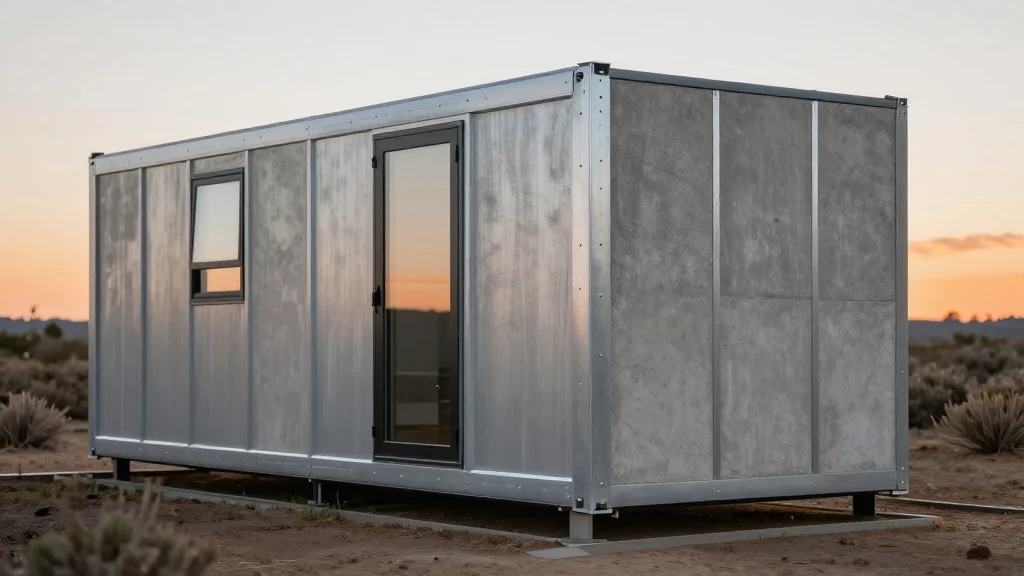
Climate Disaster Victims Are Rebuilding Using Prefab Homes From Boxy to Bespoke
Why It Matters
Prefab construction provides faster, safer, and potentially more affordable rebuilding after climate events, reshaping the U.S. housing market and reducing reliance on vulnerable stick‑build methods.
Key Takeaways
- •Prefab homes now account for >9% of U.S. new home starts
- •Fire‑resistant panels can delay heat penetration for up to an hour
- •Prices range $100‑$500 per sq ft, often below traditional builds
- •Custom modular designs now rival conventional aesthetics, easing buyer resistance
Pulse Analysis
The surge in extreme weather events has turned prefabricated housing from a niche option into a mainstream solution for disaster‑stricken communities. Recent data from the Manufactured Housing Institute shows that manufactured homes represent more than 9% of new home starts in 2024, reflecting growing consumer confidence in off‑site construction. Programs such as City‑LAB UCLA’s prefab showcase simplify the permitting and financing process, enabling families like the Warneskys to replace lost dwellings with structures engineered for wildland‑urban interface zones. This shift also alleviates the administrative fatigue associated with traditional insurance claims and rebuilding timelines.
Manufacturers are responding with advanced materials and design flexibility that address both safety and style. Companies like MDLR Brands employ composite structural insulated panels that provide a 30‑minute fire rating and can be reinforced for up to an hour of protection, while also delivering superior elasticity for earthquake resistance. Prices vary widely—from under $100 to $500 per square foot—yet they frequently undercut conventional on‑site construction costs, especially when land costs are excluded. Custom‑oriented firms such as Bevy House translate architect‑driven concepts into modular components, allowing homeowners to avoid the “cookie‑cutter” stigma and achieve high‑end aesthetics without sacrificing resilience.
Looking ahead, the modular market is poised for rapid evolution as design heritage merges with modern technology. The revival of Ray and Charles Eames’ modular vision through the Eames Pavilion illustrates how premium, adaptable kits can coexist with mass‑market offerings. As material innovations become more readily integrated into modular systems, the visual distinction between prefabricated and traditionally built homes will blur, accelerating adoption across climate‑vulnerable regions. Stakeholders—from policymakers to insurers—should monitor this trend, as it promises to reshape building codes, financing models, and the overall landscape of American residential construction.
Climate disaster victims are rebuilding using prefab homes from boxy to bespoke
Comments
Want to join the conversation?
Loading comments...